Flamenco Fever: Where to Experience Authentic Dance in Spain
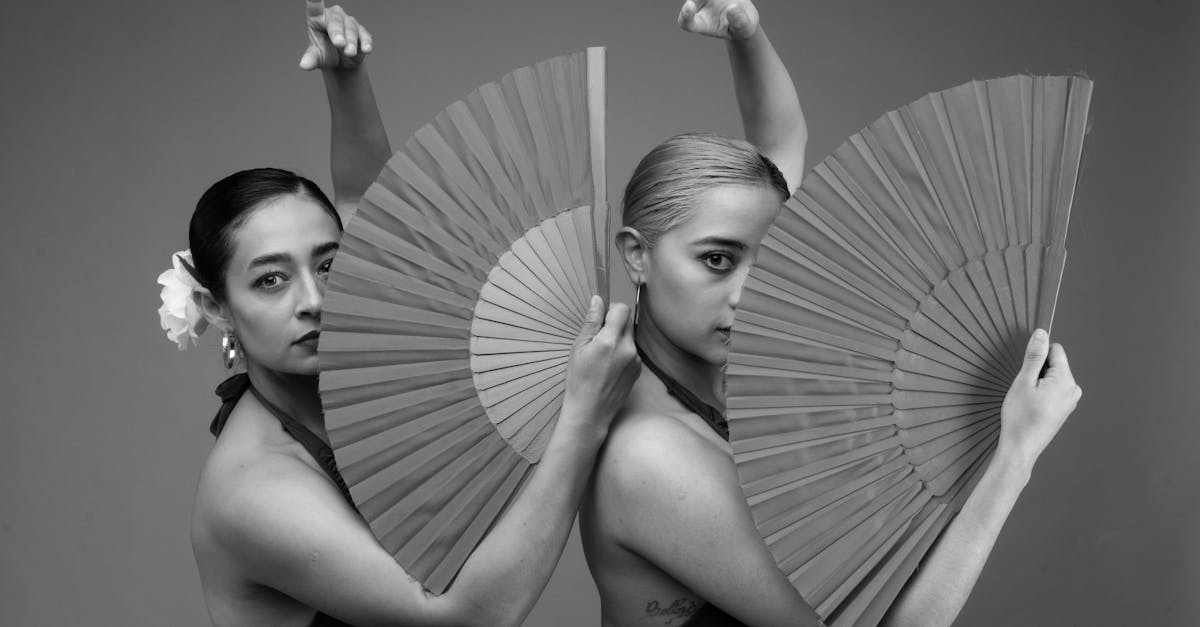 This photo was taken by Israyosoy S. on Pexels.
Welcome to the heart of Spain, where every footstep tells a story and every strum of the guitar echoes with centuries of history. If you are looking for more than just a performance, but a genuine connection to the soul of Andalusia, you have come to the right place. From the historic tablaos that line the cobblestone streets of Seville to the raw, underground energy pulsing through Madrid's late-night venues, and finally to the intimate, secret gatherings in Granada, this journey will guide you through the most authentic flamenco experiences our country has to offer. Get ready to lose yourself in the passion, rhythm, and emotion of Flamenco Fever.
The Soul of Seville: Discovering Historic Tablaos in Andalusia
When the sun dips below the horizon and the cobblestones of Seville begin to glow under warm streetlights, the true heartbeat of Andalusia awakens within its historic tablas. These intimate venues are not merely stages for performance but sacred spaces where the raw emotion of flamenco—the soulful cries of cante, the percussive thunder of zapateado, and the passionate gestures of bailaor—has been preserved for centuries. Unlike the polished spectacles found in tourist traps, authentic tablaos like Casa de la Memoria or El Arenal offer a visceral connection to history, allowing you to witness generations of artistic lineage passed down through families who have dedicated their lives to keeping this art form alive against all odds.
To step inside one of these legendary halls is to surrender yourself to an atmosphere thick with tension and triumph, where the audience sits mere feet from the performers, creating an electric circle of shared energy that transcends language. The magic lies in the improvisation; no two nights are ever alike as the dancer responds to the rhythm of the guitar and the intensity of the singer's voice in a spontaneous dialogue of pain and joy. Whether you are seated at a small table sipping a glass of fino sherry or standing close to the wooden stage, you become part of the narrative, feeling the weight of every stomp and the ache in every note, leaving you with a profound understanding of why flamenco is considered a living heritage of Spain.
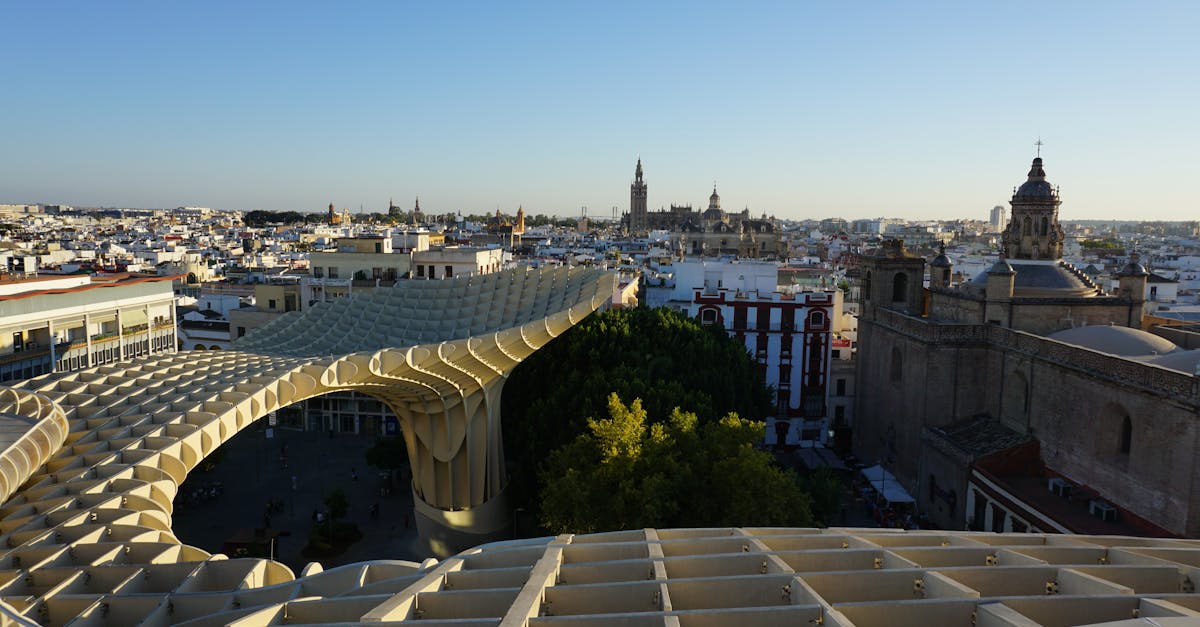 This photo was taken by Marian Florinel Condruz on Pexels.
Madrid's Underground Scene: Where Passion Meets the Night
While the grand stages of Madrid's famous tablaos offer a polished introduction to flamenco, the city's true heartbeat pulses in its underground venues, where raw passion meets the late-night rhythm. Tucked away in historic cellars or converted warehouses in neighborhoods like Lavapiés and Malasaña, these intimate spaces strip away the tourist facade to reveal the soul of the art form. Here, the air is thick with the scent of sangria and the electric tension of a spontaneous performance, where seasoned maestros and emerging talents alike let their fingers dance across guitar strings and their feet stomp the floorboards in a visceral dialogue that transcends language.
Visiting these hidden gems requires a local's touch, often found by following whispers from fellow enthusiasts or simply wandering down cobblestone streets after midnight until you hear the distant sound of clapping hands (palmas) echoing off brick walls. In these authentic settings, the barrier between performer and audience dissolves completely; you might find yourself leaning forward on a small table, eyes locked on the dancer's intense expression, feeling every heel strike as if it were your own. It is here, in the dim light and shared silence before the music swells, that you truly understand why flamenco is not merely a spectacle to be watched, but a profound emotional experience to be lived.
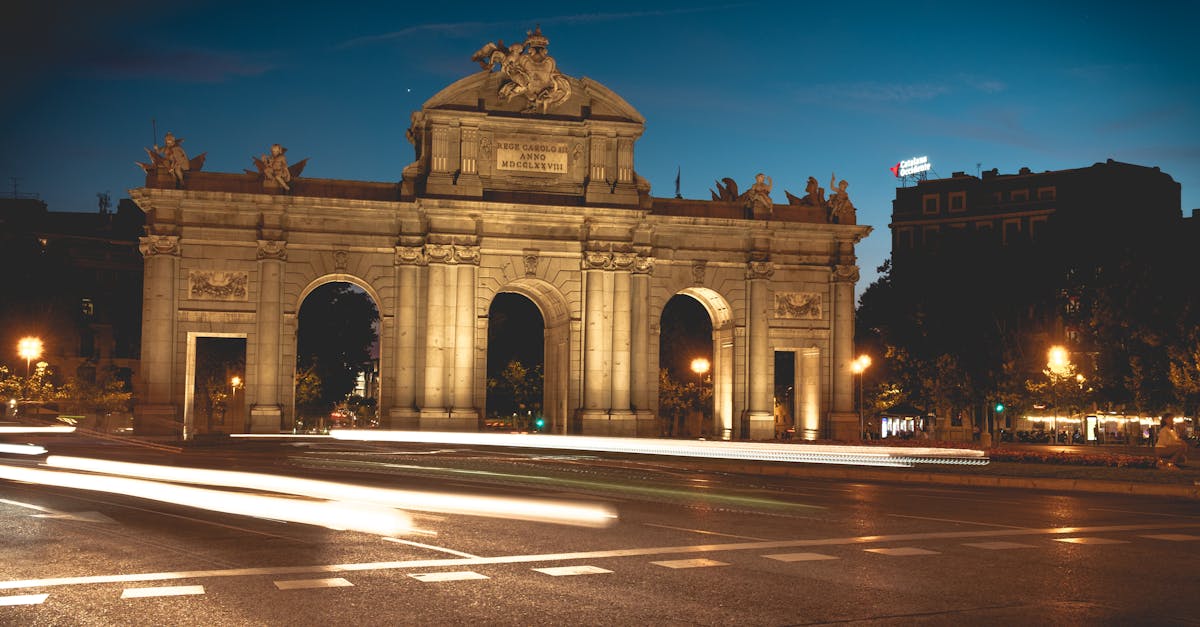 This photo was taken by Jo Kassis on Pexels.
Beyond the Stage: Finding Intimate Flamenca Gatherings in Granada
 This photo was taken by Erik Mclean on Pexels.