Flamenco Fever: Where to Experience Authentic Dance and Music
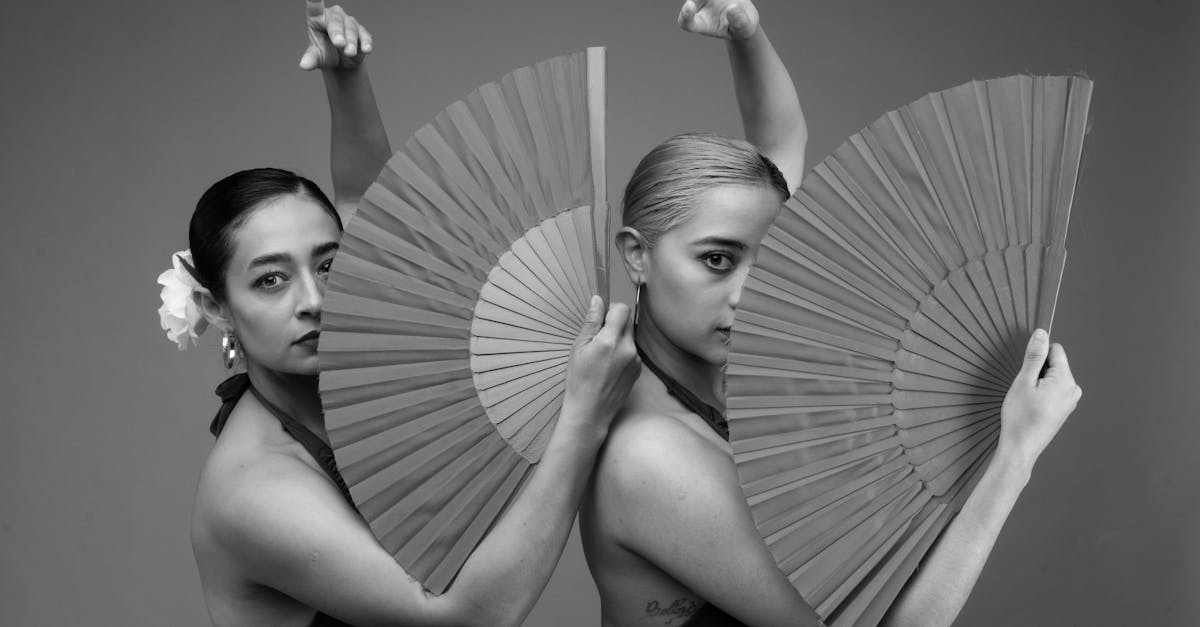 This photo was taken by Israyosoy S. on Pexels.
Welcome to the beating heart of Spain, where every stomp of the foot and strum of the guitar tells a story centuries in the making. If you have ever felt that inexplicable pull towards Flamenco, you are not just looking for a show; you are seeking an emotional journey through passion, pain, and resilience. In this post, we will guide you beyond the tourist traps to discover the most authentic experiences across our beloved country. From the intimate, smoke-filled corners of Seville's legendary tablaoles to the hidden rhythms of Granada's Gypsy neighborhoods, and finally to the electric fusion of Madrid's underground scene, get ready to lose yourself in the fever of true Flamenco.
The Soul of Seville: Finding the Most Intimate Tablao
While the grand theaters of Seville offer spectacular productions, the true heartbeat of flamenco beats within the narrow, candlelit corridors of its most intimate tablao venues. To find this authentic soul, venture away from the bustling tourist traps on Plaza de España and seek out historic bodegas in the Santa Cruz quarter where the walls seem to whisper centuries of passion. Here, the distance between the dancer's feet and your own is measured in mere inches, allowing you to feel the percussive rhythm reverberate through the floorboards as a seasoned cantaor pours their grief and joy into a voice that cracks with raw emotion.
In these hallowed spaces, the performance is not merely a show but a shared ritual, often taking place around small tables where the air is thick with the scent of sherry and jasmine. The audience becomes part of the art itself, providing the crucial jaleo—shouts of encouragement like "¡Olé!" or "¡Agua!"—that fuels the dancers' frenetic spins and stomps. It is in these unpretentious settings, where the lighting is dim and the focus remains entirely on the human connection between artist and observer, that you will discover why Seville remains the undisputed capital of this fiery dance form.
 This photo was taken by Erik Mclean on Pexels.
Beyond the Stage: The Hidden Gypsies of Granada
 This photo was taken by Ahmed akacha on Pexels.
Madrid's Underground Scene: Where Tradition Meets Modernity
While the grand stages of historic tablaos like Las Tablas or Corral de la Morería showcase the polished, traditional soul of flamenco for international audiences, Madrid's true heartbeat often beats in its underground venues tucked away in neighborhoods like Lavapiés and Malasaña. Here, the art form breathes a different kind of life, where raw emotion takes precedence over tourist-friendly spectacle. In these intimate, smoke-filled spaces, you will find local aficionados gathering around small tables to witness "cante jondo" performed with unfiltered passion, often accompanied by spontaneous, impromptu guitar solos that defy rigid structure. This is where tradition does not merely survive; it evolves through the fusion of contemporary sounds and the gritty, authentic energy of the city's creative underbelly.
Embracing this modernity means venturing beyond the scheduled performances to discover pop-up shows and experimental gatherings that challenge the boundaries of what flamenco can be. Contemporary artists in Madrid are reimagining the genre by blending it with jazz, hip-hop, and electronic music, creating a dynamic dialogue between the past and the present that resonates deeply with younger generations. Whether you stumble upon a late-night jam session in a converted warehouse or a curated night at a trendy cultural center, the experience offers a unique glimpse into how Spanish culture remains fluid and alive. It is a testament to the fact that in Madrid, the spirit of flamenco is not confined to a museum piece but thrives as a living, breathing entity that constantly reinvents itself while honoring its deep roots.
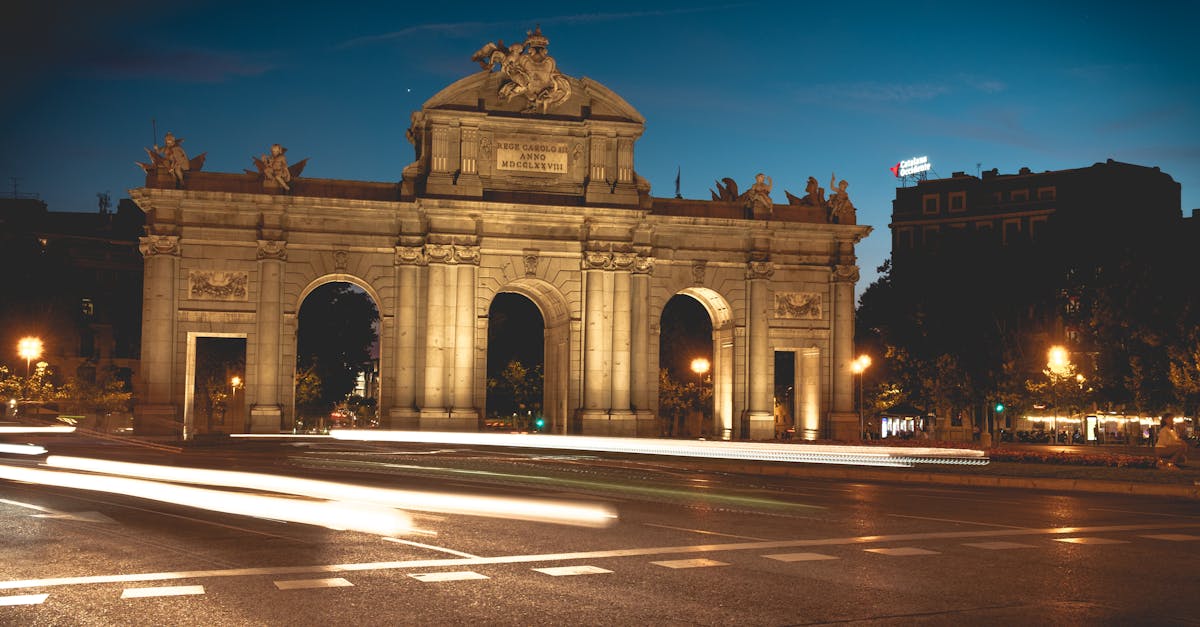 This photo was taken by Jo Kassis on Pexels.