Flamenco, Festivals, and Fiestas: Experiencing True Spanish Culture
 This photo was taken by Dorte Fjalland on Pexels.
Welcome to the beating heart of Spain, a land where life is lived with an intensity that resonates in every corner. As your local guide, I invite you to step beyond the postcard views and dive into the vibrant tapestry of traditions that define this extraordinary country. From the raw, emotional power of flamenco, which tells stories through movement and song, to the explosive energy of our world-famous festivals, Spain offers experiences that awaken the senses like nowhere else. Whether you are witnessing the chaotic joy of La Tomatina or feeling the adrenaline of the Running of the Bulls, each celebration is a window into the soul of the Spanish people. Join me as we explore these essential elements of true Spanish culture, preparing you for an unforgettable journey filled with passion, color, and unforgettable memories.
The Soul of the Dance: Understanding Flamenco's Passion
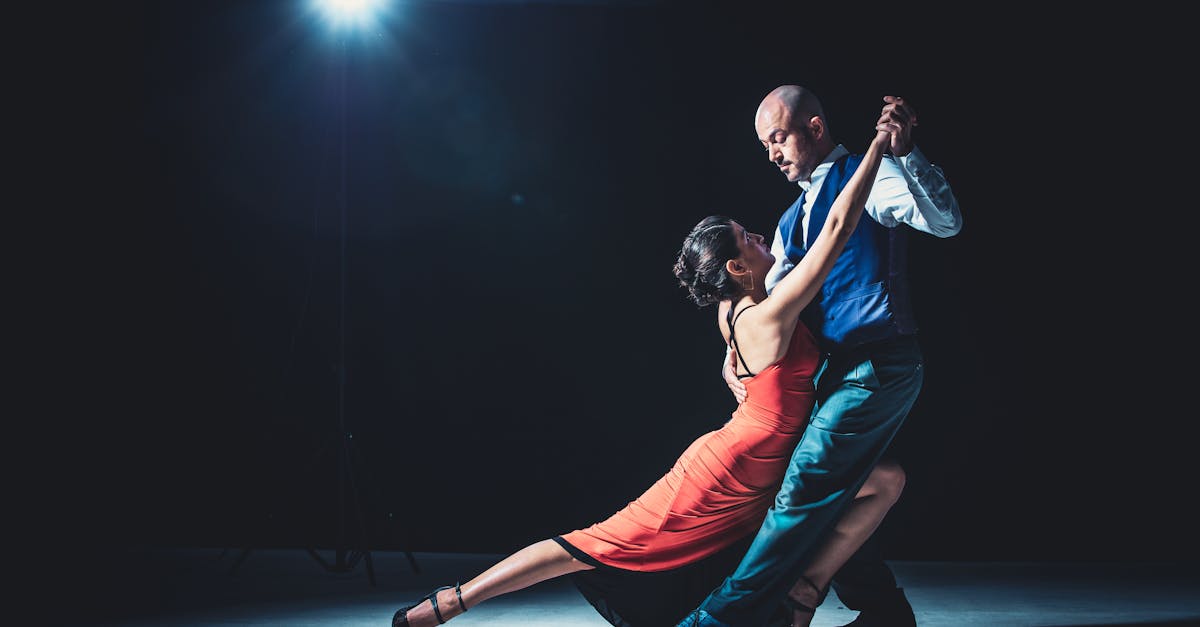
Flamenco is far more than a mere performance; it is the raw, beating heart of Andalusian culture where pain and joy intertwine in a single, breathless moment. To truly understand its soul, one must look beyond the rhythmic footwork (zapateado) and intricate hand clapping (palmas) to the deep emotional resonance known as "duende." This elusive spirit is what transforms a simple song into a profound expression of human experience, often evoking tears from even the most stoic listeners. Whether performed in a dimly lit taberna in Seville or on a sun-drenched plaza in Granada, the dancer becomes a vessel for centuries of history, channeling the struggles and triumphs of the gypsy people with an intensity that transcends language.
Experiencing this art form requires an open heart and a willingness to surrender to its unpredictable energy, for no two performances are ever exactly alike. The interaction between the singer's voice, the guitarist's strings, and the dancer's movements creates a dynamic conversation that can shift from tender melancholy to explosive celebration in the blink of an eye. When you witness a genuine flamenco show, you are not just watching a spectacle but participating in a living tradition that celebrates resilience and passion. It is this authentic connection to emotion that makes flamenco the perfect gateway to understanding the true spirit of Spain, inviting travelers to feel the country's heartbeat through every stomp and strum.
 This photo was taken by Marko Zirdum on Pexels.
A Calendar of Celebration: Spain's Most Iconic Festivals
Spain's calendar is a vibrant tapestry woven with threads of history, faith, and unbridled joy, offering travelers an unforgettable immersion into the country's soul. From the explosive energy of Las Fallas in Valencia, where towering papier-mâché sculptures are ceremoniously burned to welcome spring, to the dramatic bloodless spectacle of San Fermín in Pamplona, known globally for its running of the bulls, each event tells a unique story of local identity. These are not merely tourist attractions but deeply rooted communal rituals that have been passed down through generations, inviting visitors to don traditional attire, join the parades, and feel the electric pulse of a nation that celebrates life with unparalleled passion.
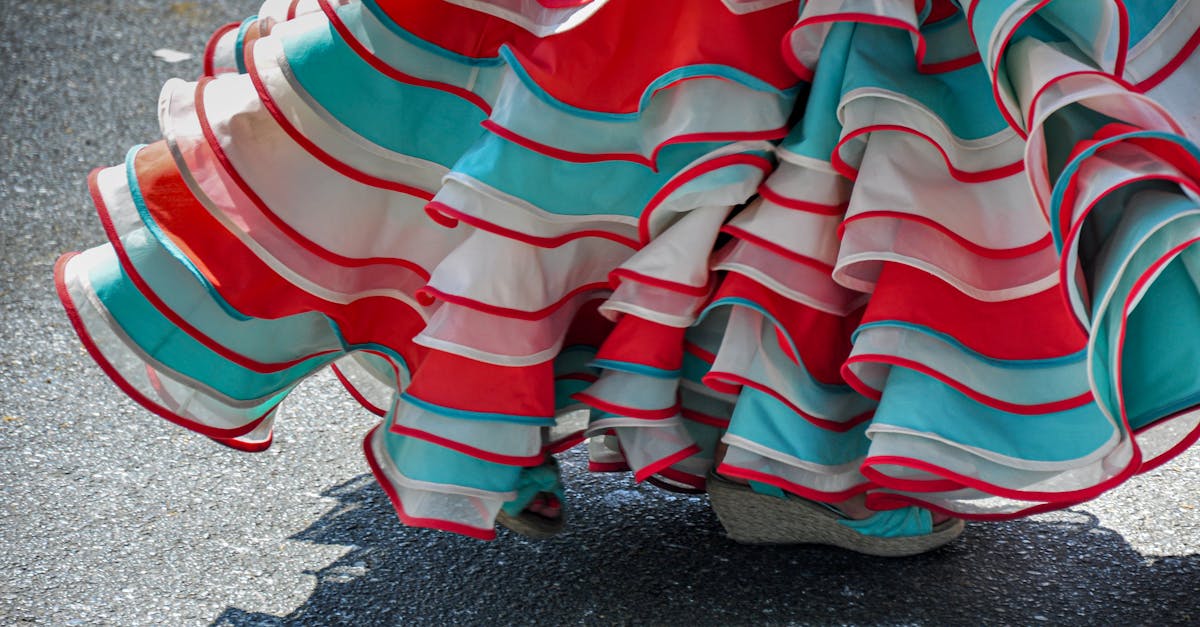
As the seasons turn, the rhythm of celebration shifts from the sun-drenched streets of Seville during the Feria de Abril, characterized by flamenco dancers in polka-dot dresses under white tents, to the mystical atmosphere of La Tomatina in Buñol, where the town square becomes a sea of crushed tomatoes. Whether you find yourself dancing until dawn at the Festival of San Juan on the beaches of Barcelona or witnessing the solemn yet spectacular processions of Holy Week (Semana Santa) throughout Andalusia, Spain ensures there is always a fiesta waiting around the corner. Embracing these festivities allows you to move beyond sightseeing and truly connect with the warmth, humor, and spirited community that defines authentic Spanish culture.
 This photo was taken by Matheus Bertelli on Pexels.
From La Tomatina to Running of the Bulls: The Spirit of Local Fiestas
From the tomato-stained streets of Buñol to the sun-drenched plazas of Pamplona, Spain's local fiestas offer an unfiltered glimpse into the nation's vibrant soul. La Tomatina transforms a quiet Wednesday afternoon into a chaotic yet joyful battle where strangers become allies in a sea of red pulp, symbolizing the country's ability to find joy in sheer absurdity. Similarly, the San Fermín festival in July draws thrill-seekers from across the globe to witness the Encierro, where the adrenaline of running with bulls through narrow cobblestone streets is matched only by the communal spirit that binds the entire town together. These events are not merely spectacles for tourists; they are deeply rooted traditions that celebrate resilience, community, and the uninhibited expression of life itself.
What truly sets these celebrations apart is the inclusive atmosphere that invites everyone to participate, blurring the lines between observer and participant. Whether you are dancing until dawn in Seville during the Feria de Abril or joining the rhythmic clapping of "palmas" at a flamenco gathering in Granada, the energy is infectious and welcoming. As a guide who has witnessed countless festivals, I can tell you that the magic lies not just in the famous parades or the historic rituals, but in the spontaneous moments shared over glasses of sangria and the laughter that echoes through ancient alleyways. To experience Spanish culture is to embrace this fiery passion, understanding that every fiesta is a reminder that life is meant to be lived loudly, proudly, and together.
 This photo was taken by Erik Mclean on Pexels.