Flamenco, Festivals, and Fiesta: Experiencing Spanish Culture
 This photo was taken by Belen Savio on Pexels.
Welcome to the heart of Spain, a land where every street corner whispers stories of passion and every sunset invites you to dance. As your guide through this vibrant nation, I invite you to embark on a journey that goes far beyond the postcard views. In this post, we will dive deep into Flamenco, Festivals, and Fiesta, uncovering the very essence of what it means to be Spanish. From the raw emotion of the flamenco guitar to the thunderous celebrations that fill our plazas all year round, and finally, to the relaxed rhythms of our daily life from siesta to sobremesa, get ready to experience La Vida Española in its most authentic form.
The Soul of Spain: Unveiling the Passion of Flamenco
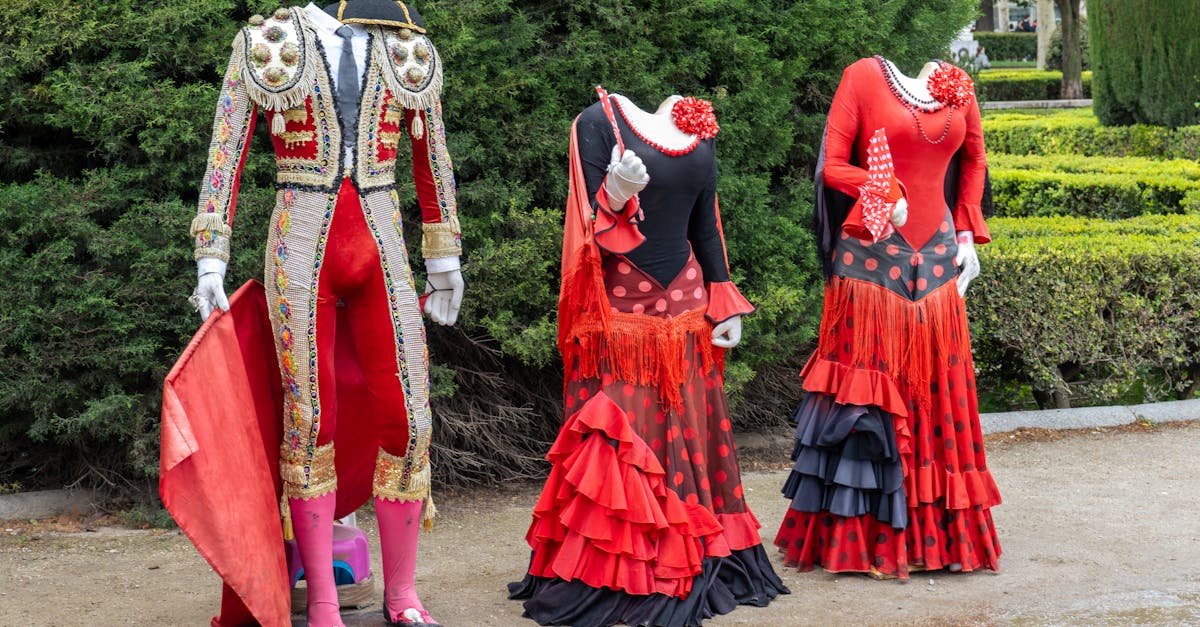
Flamenco is far more than a dance; it is the raw, beating heart of Andalusia and a profound expression of the Spanish soul that resonates through every strum of the guitar and stomp of the foot. Born from the melting pot of Gypsy, Moorish, and Jewish cultures in southern Spain, this art form channels centuries of joy, sorrow, and resilience into a powerful performance where the singer's voice, the guitarist's intricate fingerwork, and the dancer's passionate movements tell a story without words. To witness a true tablaao in Seville or Granada is to experience an emotional journey that transcends language, inviting you to feel the deep duende—that mysterious spirit of inspiration and authenticity that only exists when the artist and audience are completely united in the moment.
This vibrant passion extends beyond the stage, pulsating through the rhythm of Spain's countless festivals and fiestas that celebrate life with unbridled energy. From the electric atmosphere of the Feria de Abril in Seville, where women twirl in colorful dresses under twinkling lights, to the historic bullrings and street parades during San Fermín in Pamplona, the spirit of flamenco infuses every corner of these gatherings. As a visitor, you are not merely an observer but an invited participant in this living tradition, encouraged to clap along to the compás, share a glass of sherry with locals, and immerse yourself in a culture where music and celebration are woven into the very fabric of daily existence, creating memories that linger long after the final note fades.
 This photo was taken by Erik Mclean on Pexels.
A Year of Celebration: Navigating Spain's Vibrant Festivals
From the fiery rhythms of Seville's April Fair to the tomato-throwing chaos of La Tomatina in Buñol, Spain offers a calendar so packed with festivities that every month feels like a new adventure. These are not merely events but deep-rooted traditions where locals and visitors alike shed their inhibitions to dance, sing, and celebrate life with an intensity found nowhere else on Earth. Whether you find yourself marching through the streets of Pamplona during San Fermín or watching the intricate costumes of Valencia's Las Fallas burn in spectacular bonfires, each festival provides a unique window into the Spanish soul, blending centuries-old history with an infectious, communal joy that instantly transforms any tourist into a temporary local.
Navigating this vibrant tapestry of dates requires a bit of planning, as accommodation fills up months in advance and cities transform into open-air stages where the rhythm dictates the pace of life. Yet, the effort is always rewarded by experiences that linger long after the confetti has been swept away; imagine sipping sangria under the stars at Málaga's Festival de Cante Jondo or joining the midnight embrace of New Year's Eve grapes in Puerta del Sol. By embracing these celebrations, travelers do more than just sightsee—they immerse themselves in the very heartbeat of Spanish culture, understanding that for Spaniards, a fiesta is not just a party, but a vital expression of identity, passion, and the art of living fully in the moment.
 This photo was taken by Jean-Paul Wettstein on Pexels.
From Siesta to Sobremesa: The Art of Living La Vida Española
While the myth of the siesta often overshadows the modern rhythm of Spanish life, it remains a cherished symbol of our deep-rooted respect for rest and balance. Traditionally, the midday pause allowed families to retreat from the intense summer heat, share a leisurely meal with loved ones, and recharge before the afternoon work session resumed; today, this practice has evolved into a more flexible lifestyle choice that prioritizes well-being over rigid schedules. However, the true essence of "La Vida Española" extends far beyond a simple nap, finding its most vibrant expression in the sobremesa—the extended period spent lingering at the table after eating. Here, conversation flows freely, laughter fills the air, and time seems to slow down, reflecting a cultural philosophy where relationships and moments are valued above efficiency.
This deliberate pace is the heartbeat of every festival and celebration we host, turning ordinary gatherings into extraordinary experiences known as fiestas. Whether it is the rhythmic stomping of flamenco dancers in Andalusia or the explosive energy of La Tomatina and San Fermín, these events are not merely spectacles but communal rituals that strengthen social bonds. As a guide, I invite you to embrace this unique tempo: don't rush through your tapas tour, linger over your coffee, and join the locals in their spontaneous dances. By slowing down and immersing yourself in these traditions, you will discover that the greatest souvenir Spain offers is not an object, but a transformed perspective on how to truly enjoy life.
 This photo was taken by Dominik Gryzbon on Pexels.