Flamenco, Festivals, and Fiesta: Experiencing Authentic Spanish Culture
 This photo was taken by Dorte Fjalland on Pexels.
Welcome to the vibrant heart of Spain, a land where passion pulses through every cobblestone and celebration is woven into the very fabric of daily life. Whether you are standing in the sun-drenched plazas of Seville or lost in the rhythmic stomping of a crowded festival, you will quickly discover that Spanish culture is far more than just sightseeing—it is an immersive experience that engages your soul. In this journey, we will guide you through the raw emotion of Andalusian flamenco, explore the electric energy of world-famous events from San Fermín to Las Fallas, and reveal the secret behind how Spaniards turn ordinary moments into unforgettable fiestas. Get ready to immerse yourself in traditions that have been passed down for generations and to see why Spain truly knows how to live.
The Soul of Andalusia: Mastering the Art of Flamenco
To truly grasp the soul of Andalusia, one must surrender to the raw emotion of flamenco, an art form that transcends mere performance to become a visceral conversation between the dancer, the guitarist, and the singer. In the historic alleyways of Seville's Triana district or the intimate tablaos of Granada's Albayzín, you will witness the "duende," that mysterious spirit of deep emotional expression that defines this tradition. It is not enough to simply watch; the staccato rhythm of the zapateado (footwork) seems to vibrate through the floorboards, while the passionate cries of the cante jondo echo off ancient stone walls, inviting you to feel the history of struggle, joy, and resilience that has been passed down through generations of gypsy, Moorish, and Spanish influences.
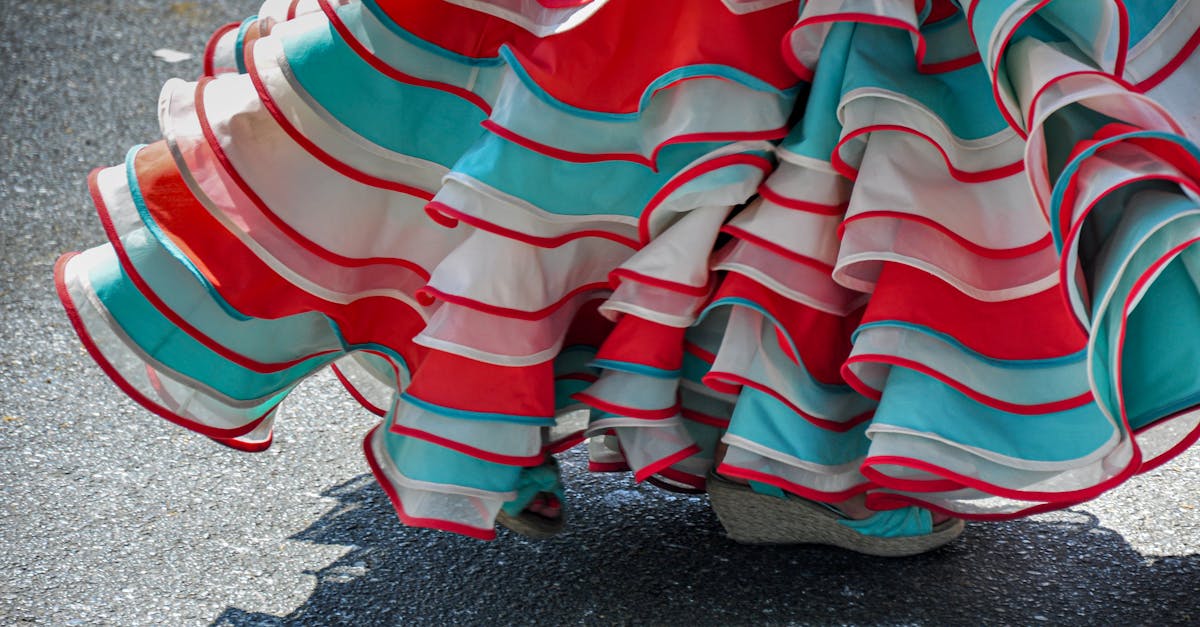
While visiting a dedicated venue offers an authentic evening of culture, the true magic of flamenco often unfolds during the region's vibrant festivals, where the entire community becomes part of the dance. From the famous Feria de Abril in Seville, where white dresses flutter amidst orange blossoms and horse-drawn carriages, to the intimate street celebrations in Jerez or Ronda, music spills out from every balcony and plaza. Here, the line between performer and spectator dissolves as locals invite tourists to join in the circle, clapping along to the compás until dawn breaks over the Sierra Nevada mountains, proving that in Andalusia, life itself is the greatest fiesta and every heartbeat keeps time with the guitar strings.
 This photo was taken by Antonio Garcia Prats on Pexels.
From San Fermín to Las Fallas: A Calendar of Unforgettable Festivals
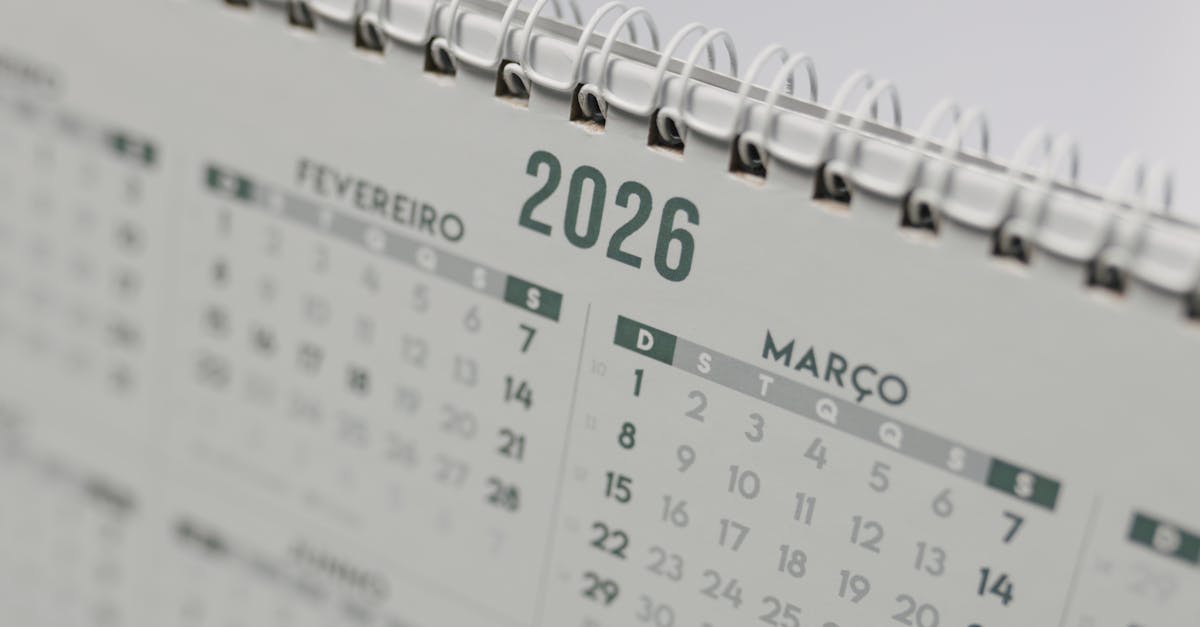
Spain's cultural heartbeat pulses most vigorously during its legendary festivals, where history and modernity collide in a spectacular display of communal joy. In July, the streets of Pamplona transform into a sea of white and red for San Fermín, where the world watches the famous running of the bulls before diving into days of non-stop music and dancing under the summer sun. Just as electrifying is the arrival of March in Valencia with Las Fallas, a week-long explosion of artistry where towering, satirical papier-mâché sculptures are erected only to be consumed by fire in a dramatic finale that illuminates the night sky and celebrates the city's resilience.
Beyond these headline events, the Spanish calendar is dotted with regional treasures that offer deep insights into local traditions and heritage. From the solemn yet vibrant processions of Holy Week (Semana Santa) that sweep through Andalusia to the colorful flower petals covering the ground during La Tomatina in Buñol, each celebration tells a unique story of faith, humor, and community spirit. As a visitor, participating in these gatherings provides an unparalleled opportunity to witness authentic Spanish culture not just from the sidelines, but as an integral part of the festivities, creating memories that linger long after the confetti has settled and the fireworks have faded.
 This photo was taken by Matheus Bertelli on Pexels.
La Fiesta: How Spaniards Turn Every Day into a Celebration
In Spain, the concept of "fiesta" transcends mere partying; it is a deeply ingrained cultural rhythm that transforms ordinary moments into shared joy. Whether it's the vibrant San Fermín in Pamplona with its running of the bulls or the intimate local patron saint festivals in small Andalusian villages, these events are not just spectacles but vital expressions of community identity. Spaniards believe that life should be savored with gusto, and this philosophy is evident in how streets fill with music, laughter, and the clinking of glasses from morning until late at night. Even on a typical Tuesday evening, you might find neighbors gathering for tapas and wine, turning a simple meal into an impromptu celebration that strengthens social bonds and keeps the spirit of festivity alive year-round.
This celebratory atmosphere is further amplified by the unique Spanish schedule, where the day naturally extends later than in many other countries, allowing time for leisurely dinners and post-dinner strolls known as "paseo." The energy of a fiesta often begins with the afternoon siesta, followed by the bustling evening hours when plazas become stages for spontaneous dancing, singing, and storytelling. From the rhythmic stomping of flamenco in Seville to the colorful fallas in Valencia, every region adds its own distinct flavor to the national obsession with celebration. As a visitor, you are invited not merely to watch but to participate, embracing the warmth and openness that defines authentic Spanish culture, where every day offers a new opportunity to dance under the stars and celebrate the sheer pleasure of being alive.
 This photo was taken by vicente jesús diaz on Pexels.