Fiestas and Traditions: Planning Your Trip Around La Tomatina and San Fermín
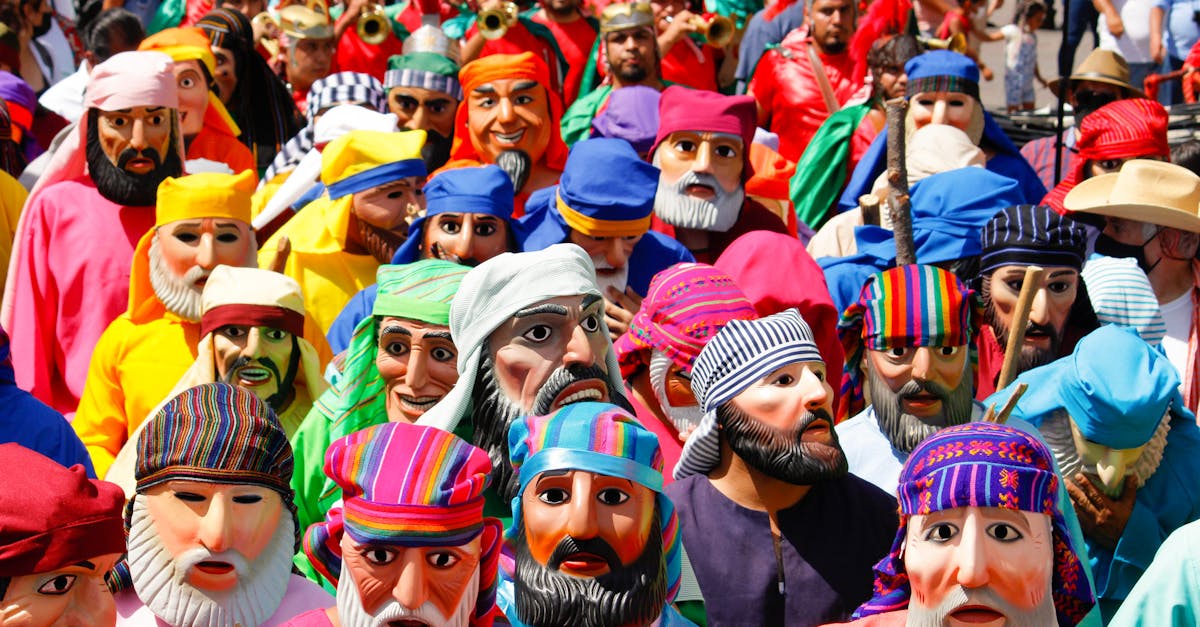 This photo was taken by Rogelio Villanueva on Pexels.
Welcome to the vibrant heart of Spain, where the rhythm of life is often dictated by centuries-old celebrations that burst with color, energy, and unforgettable memories. If you are dreaming of an adventure that goes beyond the typical sightseeing itinerary, look no further than two of our most legendary events: La Tomatina in Buñol and San Fermín in Pamplona. These festivals offer a unique glimpse into Spanish culture, transforming entire towns into stages for spectacular chaos and thrilling tradition. Whether you are ready to dive into a sea of ripe tomatoes or brave the streets alongside charging bulls, this guide will help you navigate the logistics, respect local customs, and make the most of your journey. Get ready to plan the trip of a lifetime as we explore how to master the red chaos and run with the bulls safely and responsibly.
The Red Chaos: Mastering the La Tomatina Experience
Prepare yourself for the world's most famous food fight, where the streets of Buñol transform into a sea of crimson pulp during La Tomatina. This chaotic yet joyous event takes place on the last Wednesday of August, drawing hundreds of thousands of visitors from around the globe to participate in an hour-long battle that leaves everyone covered in tomato juice. To truly master this experience, arrive early to secure a spot near the front lines and remember the golden rules: squash your tomatoes before throwing them to minimize impact, avoid wearing glasses or valuables, and never throw anything other than the provided fruit. The atmosphere is electric, filled with laughter and camaraderie as strangers become friends in the mess, turning a simple harvest surplus into a legendary spectacle of Spanish exuberance.
Beyond the immediate chaos, participating in La Tomatina offers a unique insight into the communal spirit that defines many Spanish fiestas, emphasizing collective fun over competition. After the trucks dump their loads of overripe tomatoes, the town joins forces to clean the streets together using fire hoses, creating a sense of shared accomplishment that lasts long after the festival ends. While planning your trip, consider booking accommodations well in advance, as Buñol fills up quickly, and combine your visit with the nearby city of Valencia or the historic charm of Pamplona for a broader cultural immersion. Whether you are a seasoned traveler or a first-time visitor, embracing the red chaos of La Tomatina promises memories that will stain your mind just as vividly as the tomatoes stain your clothes.
 This photo was taken by Erik Mclean on Pexels.
Running with the Bulls: A Guide to San Fermín's Streets
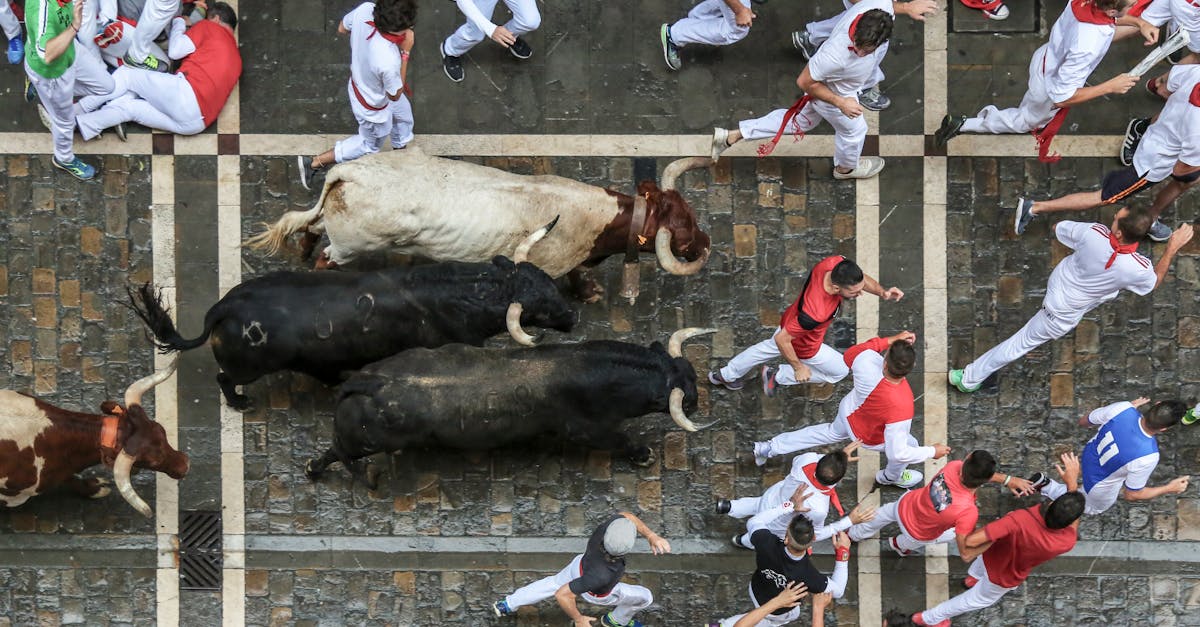 This photo was taken by San Fermin Pamplona on Pexels.
Timing Your Visit: Schedules, Tickets, and Local Etiquette
Planning a trip around Spain's most iconic events requires meticulous scheduling, as venues like Buñol for La Tomatina and Pamplona for San Fermín operate on strict timelines that can make or break your experience. For La Tomatina, the chaotic tomato fight begins promptly at 10:00 AM and lasts exactly one hour, meaning you must arrive hours in advance to secure a spot near the action; similarly, tickets for the running of the bulls during San Fermín are highly limited and often sell out months ahead of time, with specific entry gates opening early in the morning. It is crucial to book accommodation well in advance, not just for these peak dates but also because local transport schedules shift dramatically, with many regular bus lines suspended or replaced by special event shuttles that run on different frequencies.
Navigating these festivities also demands a keen awareness of local etiquette to ensure safety and respect for the community. During La Tomatina, participants are expected to crush tomatoes before throwing them to avoid injury, and once the signal sounds to stop, everyone must immediately cease throwing and begin cleaning up the streets together. In Pamplona, while the atmosphere is electric, there is a deep-seated cultural respect for the tradition that goes beyond mere spectacle; visitors should dress modestly when attending religious processions associated with the festival and be mindful that the streets become incredibly crowded, requiring patience and a calm demeanor rather than aggressive pushing. Understanding these unspoken rules transforms a potentially chaotic visit into an immersive celebration where tourists can fully embrace the spirit of Spanish camaraderie and tradition.
 This photo was taken by Parth Patel on Pexels.