Festivals That Light Up the Night: La Tomatina, San Fermín, and Las Fallas
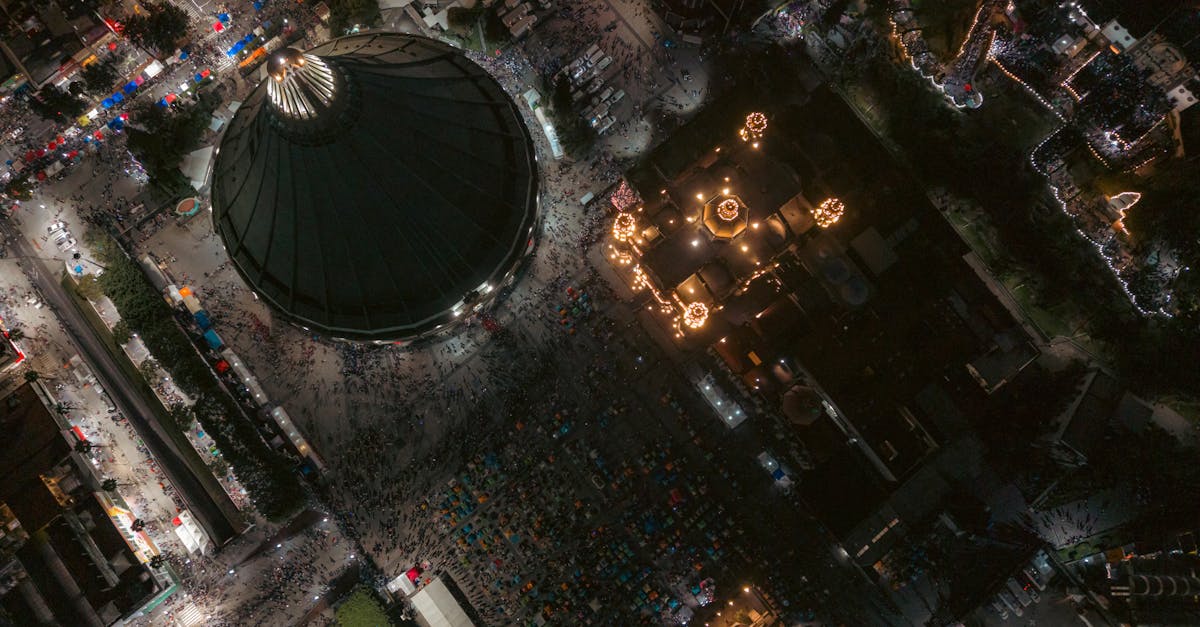 This photo was taken by Alan Eduardo Alvarez Hernandez on Pexels.
Welcome to the vibrant heart of Spain, where tradition meets spectacle and the night sky is often illuminated by more than just stars. As your local guide, I invite you to embark on a journey through three of our country's most electrifying celebrations, each offering a unique glimpse into the soul of Spanish culture. From the chaotic joy of a tomato-filled battlefield in Buñol to the adrenaline-fueled streets of Pamplona, and finally to the mesmerizing bonfires of Valencia, these festivals are not merely events; they are living histories that pulse with energy. Prepare yourself for an unforgettable adventure as we dive into the Tomato Tumble of La Tomatina, the daring spirit of San Fermín, and the fiery artistry of Las Fallas.
The Tomato Tumble of Buñol: La Tomatina
The Tomato Tumble of Buñol: La Tomatina
Just an hour's drive from Valencia lies the charming town of Buñol, where every last Wednesday of August transforms into a chaotic masterpiece of red pulp and joyous chaos during La Tomatina. This world-famous festival turns the narrow streets into a river of crushed tomatoes as tens of thousands of participants engage in the ultimate food fight, hurling over 100 tons of ripe, blemished fruit at one another in a battle that is strictly regulated yet utterly wild. The event begins with a greased pole climb to retrieve a ham, followed by two hours of pure adrenaline where the air is thick with the scent of summer produce and laughter, creating a unique sensory experience that has drawn visitors from every corner of the globe to witness this spectacular explosion of color.
What makes La Tomatina truly magical is not just the sheer volume of tomatoes, but the spirit of camaraderie that permeates the town; once the final bell rings signaling the end of the tomato barrage, locals and tourists alike join forces to clean the streets with fire hoses, washing away the evidence of the mess while celebrating the shared memory of the day. It is a rare moment where social barriers dissolve completely, replaced by a collective sense of freedom and playfulness that defines the Spanish ability to turn even the most absurd idea into a beloved tradition. For any traveler seeking to understand the heart of Spanish festivity beyond the serious bullfights or solemn processions, this vibrant, messy, and unforgettable tomato tumble offers a perfect glimpse into the country's capacity for fun and unity.
 This photo was taken by Erik Mclean on Pexels.
Running with the Bulls in Pamplona: San Fermín
Running with the Bulls in Pamplona: San Fermín
Every July, the historic streets of Pamplona transform into a stage for one of the world's most adrenaline-fueled spectacles during the San Fermín festival. For eight days, the city pulses with energy as thousands of participants don white shirts and red scarves to join the famous encierro, a daily morning run where brave runners dash ahead of six charging bulls through the narrow, cobblestone lanes toward the bullring. While the running itself is an intense test of courage and agility, the festival extends far beyond the danger; it is a vibrant celebration of Navarrese culture filled with fireworks, traditional folk dances, live music, and endless parties that often last until dawn.
Beyond the thrill of the run, San Fermín offers a deep dive into Spanish tradition and community spirit, culminating in the emotional final night when the zorzais (a traditional song) is sung and the giant wooden figure of the saint is lowered from the balcony. Visitors are encouraged to immerse themselves in the local customs, from tasting hearty Basque cuisine in the bustling taverns to joining the sea of revelers who fill the Plaza del Castillo. Whether you are a seasoned runner or simply a spectator cheering from the sidelines, experiencing the electric atmosphere of San Fermín provides an unforgettable glimpse into the heart of Spain's festive soul.
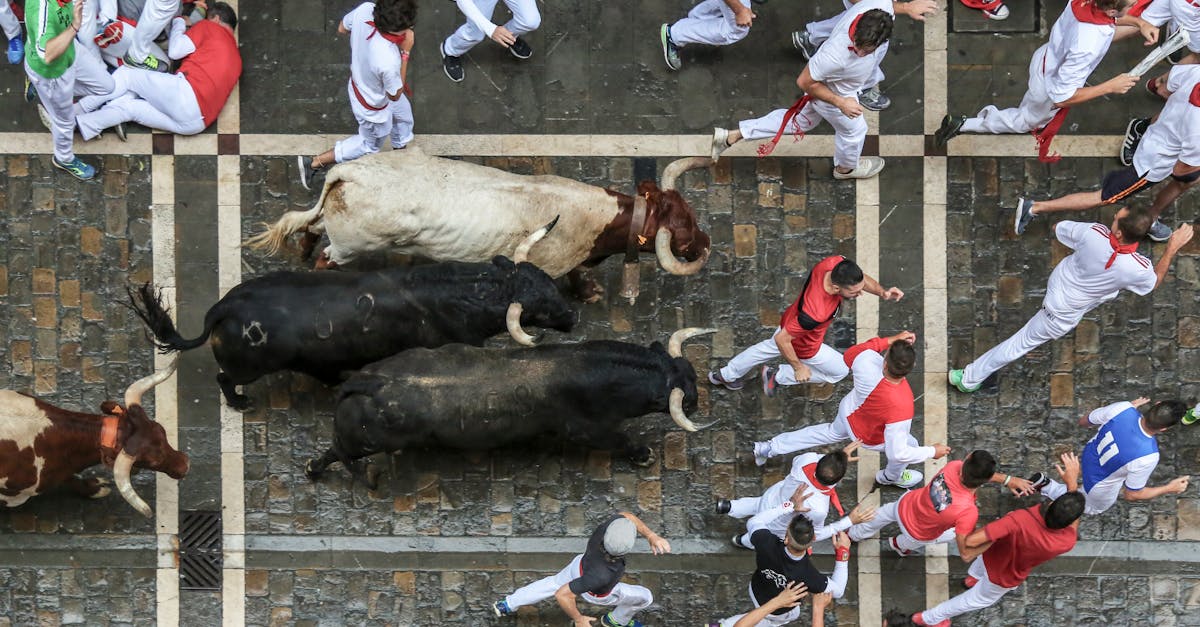 This photo was taken by San Fermin Pamplona on Pexels.
Burning Art and Fireworks in Valencia: Las Fallas
Every March, the streets of Valencia transform into a spectacular open-air gallery for Las Fallas, one of Spain's most vibrant and visually stunning festivals. For nine days, neighborhoods compete to create enormous, satirical papier-mâché sculptures known as "fallas," which are often towering works of art depicting political figures, celebrities, or social commentary with biting humor. As the celebration reaches its crescendo on the night of March 19th, Saint Joseph's Day, these intricate masterpieces are set ablaze in a ritual called "la cremà." The sight of thousands of statues engulfed in flames while fireworks explode overhead creates an unforgettable spectacle that blends artistic expression with the raw power of fire, turning the city into a sea of light and smoke.
The energy during Las Fallas is infectious, drawing visitors from around the world who gather to witness the dramatic burning and the accompanying pyrotechnic displays that light up the Mediterranean sky. Throughout the festival, you can enjoy traditional paella cooked over wood fires, listen to live brass bands marching through the crowds, and participate in the daily "mascletà," a daytime fireworks display famous for its rhythmic drumming rather than just visual beauty. This unique combination of satire, artistry, and explosive celebration offers a deeper cultural experience than any other event in the region, proving that in Valencia, fire is not just a destructive force but a sacred element used to honor tradition and say goodbye to winter in the most dazzling way possible.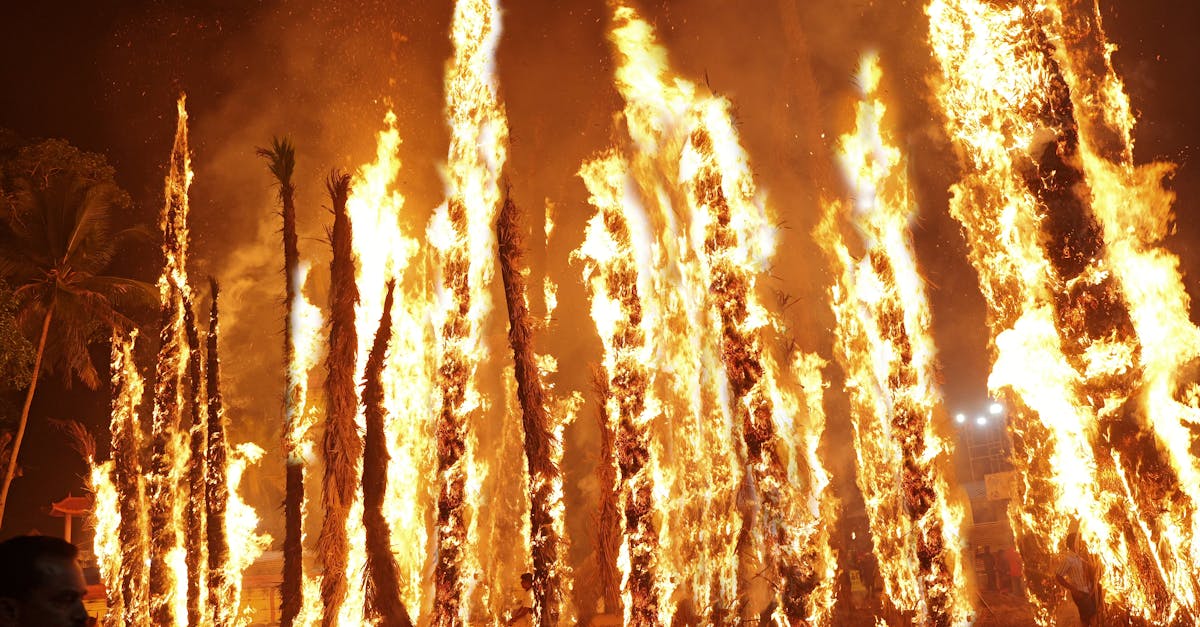 This photo was taken by rajeevkumar RAJEEVKUMAR on Pexels.