Festivals That Define Spain: La Tomatina, San Fermín, and More
 This photo was taken by Erik Mclean on Pexels.
¡Hola! Welcome to the vibrant heart of Spain, a country where life is lived with passion, color, and an unshakeable zest for celebration. From the sun-drenched plazas of Valencia to the cobblestone streets of Pamplona, our festivals are not merely events; they are the very soul of Spanish culture pulsating through centuries of tradition. In this post, we invite you on a journey into the most electrifying gatherings that define our nation: we will dive headfirst into the red chaos of La Tomatina, experience the adrenaline-fueled rush of San Fermín's running of the bulls, and explore a treasure trove of other unmissable celebrations that prove Spain truly knows how to party. Get ready to pack your bags and immerse yourself in the magic.
The Tomato Tumble: Inside La Tomatina's Red Chaos
The Tomato Tumble: Inside La Tomatina's Red Chaos
Deep in the heart of Valencia, the sleepy town of Buñol transforms into a vibrant battleground once a year for the world's largest food fight. Every last Wednesday of August, thousands of visitors from every corner of the globe descend upon the narrow streets to participate in La Tomatina, an event where over 150 tons of ripe, bruised tomatoes are hurled with reckless abandon. What begins as a chaotic scramble quickly evolves into a surreal sea of crimson pulp, turning participants' clothes, faces, and even their spirits into a sticky, red masterpiece. The air fills with the sweet, earthy scent of crushed fruit, creating a sensory overload that is both messy and strangely liberating, offering a unique moment where social norms dissolve under the weight of joyful anarchy.
Beyond the sheer fun of getting covered in tomato juice lies a rich tapestry of local tradition that dates back to the 1940s, evolving from a spontaneous street brawl among friends into a globally recognized cultural phenomenon. Before the main battle commences, locals enjoy a lively parade featuring giant puppets (gigantes y cabezudos) and traditional music, setting a festive tone before the trucks dump their cargo onto the waiting crowd. Once the signal is given, the chaos reigns supreme for exactly one hour, after which fire hoses wash down the streets, leaving behind a clean slate ready for the traditional paella feast that follows. For any traveler seeking to experience the unbridled spirit of Spain, La Tomatina offers an unforgettable immersion into a culture that knows how to celebrate life with laughter, messiness, and a whole lot of color.
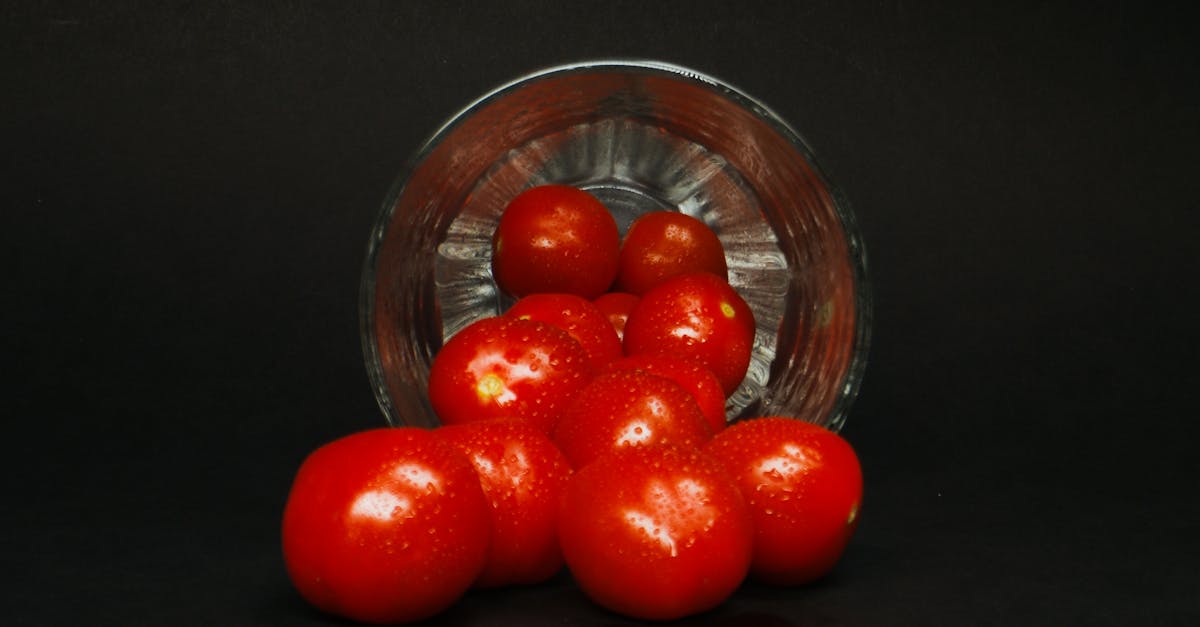 This photo was taken by Tima Miroshnichenko on Pexels.
Running with the Bulls: The Thrill of San Fermín
Imagine the cobblestones of Pamplona echoing with the roar of a thousand participants and spectators as dawn breaks on July 6th, signaling the start of the world's most adrenaline-fueled festival: San Fermín. Every morning at 8 AM, the famous encierro begins, where six powerful bulls and steers are released from their pens to race through the narrow streets toward the bullring, creating a chaotic yet mesmerizing spectacle that has captivated visitors for centuries. While the core event is undeniably intense, the true spirit of San Fermín extends far beyond the run itself; it transforms the entire city into a sea of white clothing adorned with red scarves, filled with music, dancing, and an infectious camaraderie that makes you feel like part of a global family united by tradition and courage.
For travelers seeking more than just a thrill, participating in or even witnessing the running offers a profound cultural immersion that defines Spanish heritage. Whether you decide to join the runners in their quest to beat the beasts or stand safely behind the barriers cheering them on, the atmosphere is electric with a unique blend of danger and celebration. The festival culminates in the evening with fireworks over the Plaza del Ayuntamiento and endless parties that last until sunrise, ensuring that your experience in Navarre becomes not just a sightseeing trip, but a vivid memory etched in time alongside other iconic Spanish traditions like La Tomatina.
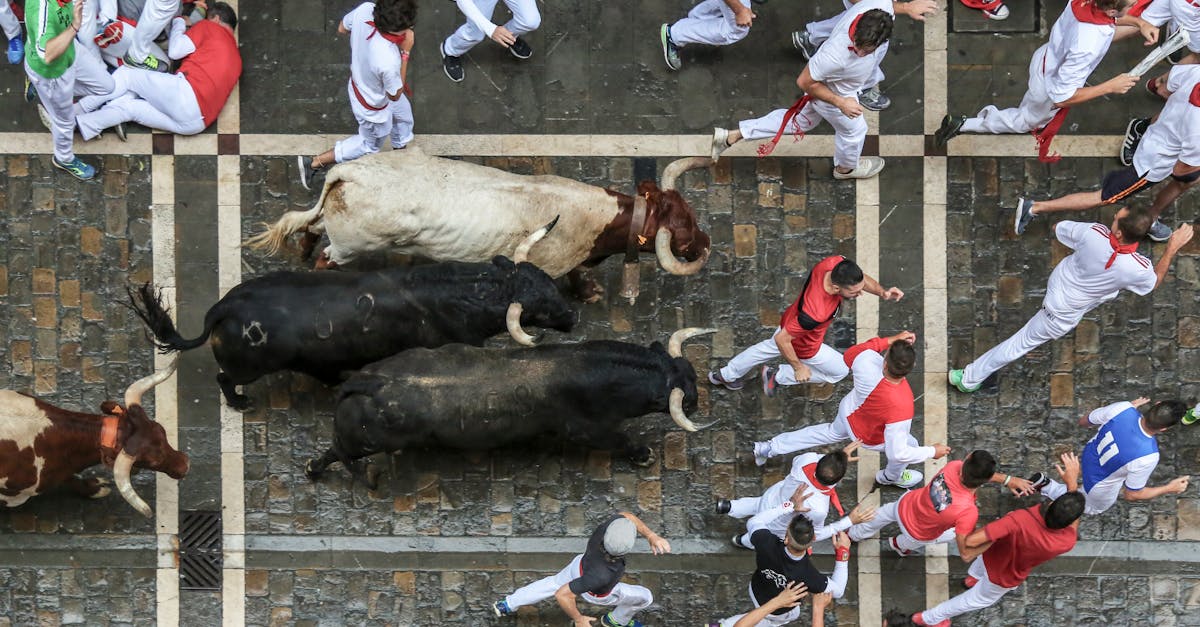 This photo was taken by San Fermin Pamplona on Pexels.
Beyond the Headlines: Spain's Other Unmissable Celebrations
This photo was taken by Erik Mclean on Pexels.