Festivals That Define Spain: La Tomatina, Running of the Bulls, and More
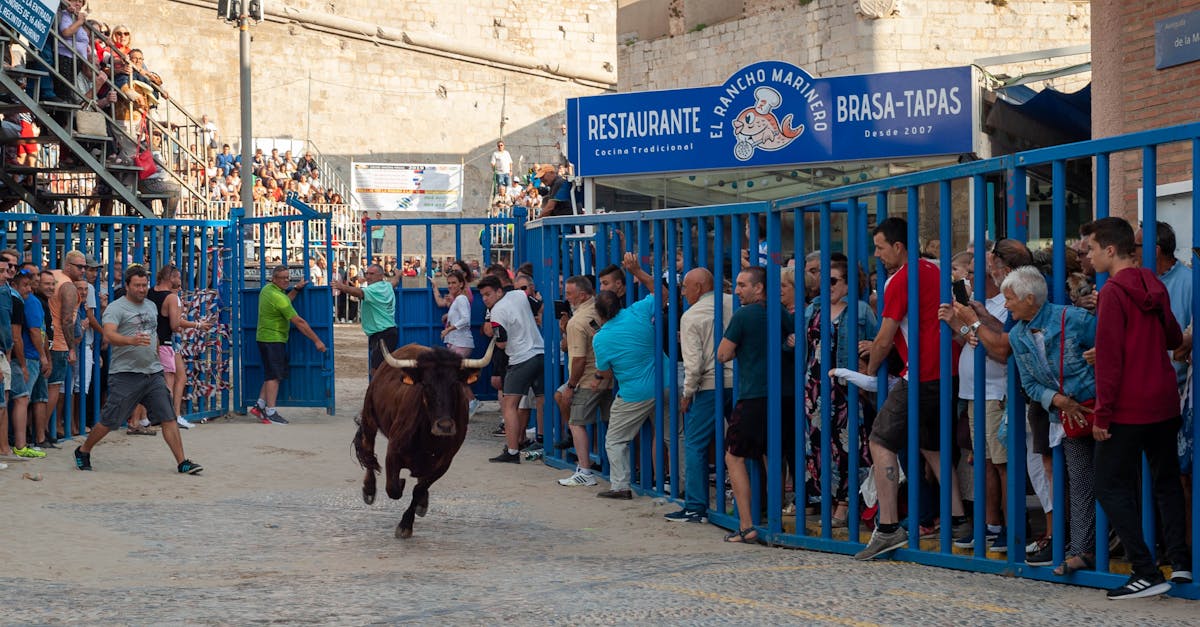 This photo was taken by paco pac on Pexels.
Bienvenidos a the heart of Spanish culture, where life is lived with an intensity that turns every celebration into an unforgettable memory. From the vibrant streets of Valencia to the historic plazas of Pamplona, Spain offers a kaleidoscope of festivals that are far more than mere events—they are living traditions that define the national spirit. In this post, we invite you to dive deep into the red chaos of La Tomatina in Buñol, experience the raw adrenaline and ancient tradition of San Fermín's Running of the Bulls, and explore beyond the spectacle to discover the rich cultural tapestry that makes these gatherings so unique. Get ready to pack your bags, because Spain's most iconic festivities await!
The Red Chaos of La Tomatina in Buñol
The Red Chaos of La Tomatina in Buñol
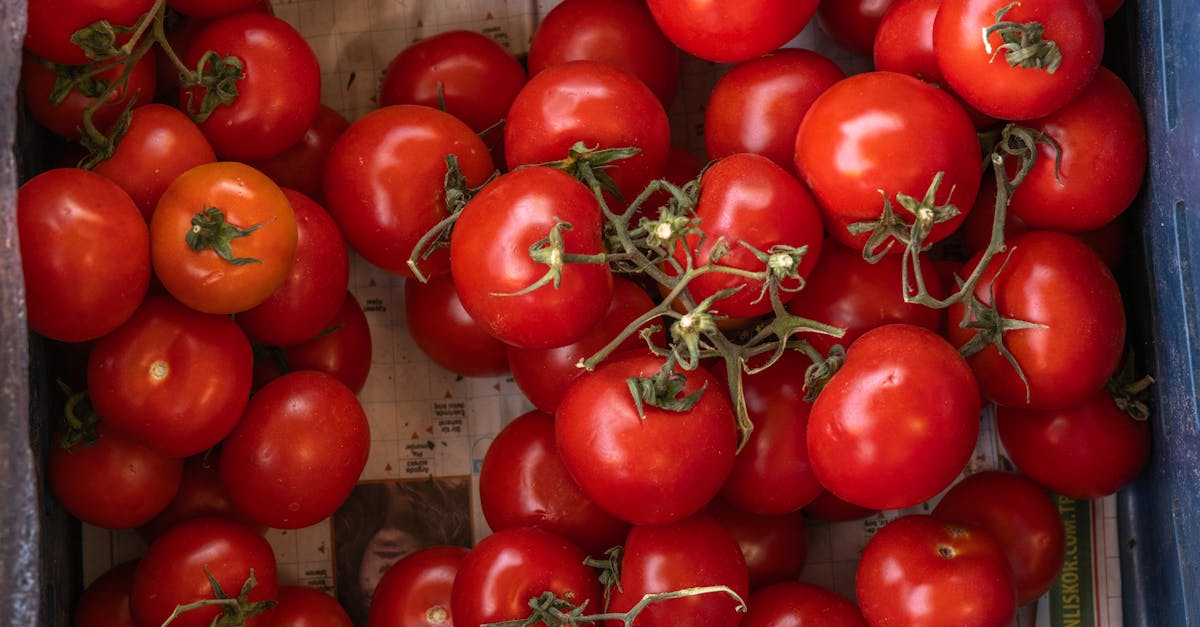
Every last Wednesday of August, the quiet town of Buñol transforms into a vibrant battlefield where thousands of visitors converge to participate in one of the world's most iconic celebrations: La Tomatina. This unique festival turns the narrow streets into a river of crimson pulp as over 150 tons of ripe tomatoes are piled onto trucks and launched at unsuspecting participants, creating an unforgettable spectacle of pure, messy joy. Unlike other Spanish fiestas that honor religious traditions or historical events, La Tomatina is a spontaneous release of energy where the only rule is to enjoy the chaos; once the final shot rings out, everyone immediately stops throwing fruit to embrace the communal cleanup, leaving the town scrubbed clean for the next day.
Beyond the sheer fun of getting drenched in tomato juice, this event offers a glimpse into the local spirit of camaraderie and celebration that defines Spanish culture. The atmosphere is electric with laughter and music, as strangers become friends through the shared experience of being covered in red from head to toe. Visitors often describe it as a liberating experience that breaks down social barriers, making it a must-see event for any traveler seeking to understand the playful side of Spain. While the running of the bulls in Pamplona captures the adrenaline of danger, La Tomatina captures the essence of uninhibited happiness, proving that sometimes the best memories are made when you let go and get a little messy.
 This photo was taken by Doğan Alpaslan Demir on Pexels.
Adrenaline and Tradition at San Fermín's Running of the Bulls
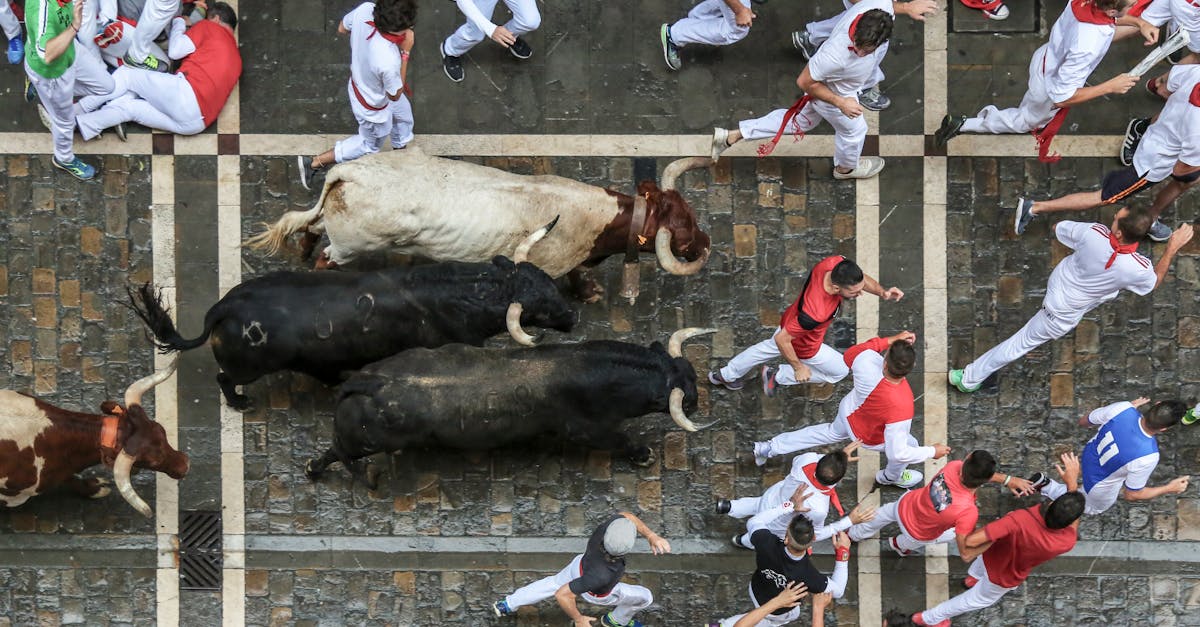
Imagine the cobblestones of Pamplona vibrating beneath the hooves of six charging bulls as thousands of revelers sprint through the narrow streets, their hearts pounding in a rhythm that defines pure adrenaline. This is the Running of the Bulls, or Encierro, during the San Fermín festival, an event that has captivated the world since 1591 and remains one of Spain's most iconic traditions. While the morning run is a high-stakes spectacle where courage meets chaos, the true spirit of San Fermín unfolds after the dust settles; the city transforms into a sea of white with red sashes, echoing with the sound of traditional chupinazo fireworks and the continuous melody of folk songs sung from dawn until late into the night.
Beyond the thrill of the race lies a profound cultural tapestry that celebrates the patron saint of Navarre, blending ancient ritual with modern exuberance. Visitors can wander through historic plazas to admire the intricate floral arches and witness the solemn procession of the bullfighting tradition, which serves as a reminder of the region's deep-rooted history. Whether you are cheering on the runners, dancing the jota in the streets, or simply enjoying the communal atmosphere over local pintxos and wine, the festival offers a unique immersion into Spanish life where danger and devotion dance hand in hand, creating memories that will resonate long after you leave the vibrant streets of Pamplona.
 This photo was taken by San Fermin Pamplona on Pexels.
Beyond the Spectacle: Spain's Vibrant Cultural Tapestry
While the world's eye is often drawn to the chaotic splendor of La Tomatina or the adrenaline-fueled sprint through Pamplona, these events are merely the most visible threads in a much richer cultural fabric that spans the entire Iberian Peninsula. True Spanish identity is woven from centuries of tradition where community and celebration are not just annual occurrences but the very rhythm of daily life. From the solemn, candlelit processions of Holy Week (Semana Santa) that transform cities into stages of profound emotion, to the rhythmic clapping and passionate singing of flamenco festivals in Andalusia, every region offers a unique narrative. These gatherings serve as living museums where history is not merely observed but experienced, allowing visitors to witness the deep-rooted connection between the people and their heritage.
Beyond the spectacle lies a spirit of "sobremesa" and communal joy that permeates even the smallest village squares, turning any occasion into an opportunity for shared humanity. Whether it is the fiery dance of the Moors and Christians reenacting historical battles or the intricate, towering castells built by human towers in Catalonia, these traditions emphasize unity, resilience, and artistic expression over mere entertainment. As a guide, I encourage you to look past the cameras and crowds to engage with the locals who keep these ancient customs alive; it is in these intimate moments of conversation and participation that you will truly understand the soul of Spain, discovering a vibrant tapestry where the past dances seamlessly with the present.
 This photo was taken by Quang Nguyen Vinh on Pexels.