Festivals That Define Spain: From La Tomatina to Semana Santa
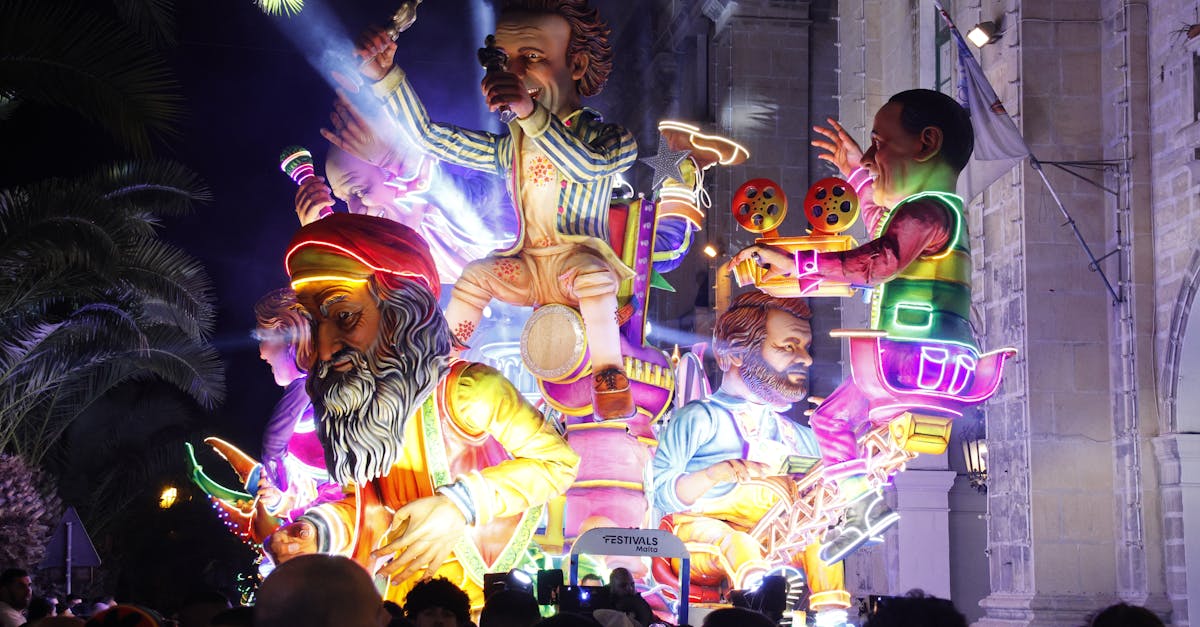 This photo was taken by Andrew Cutajar on Pexels.
Welcome to the beating heart of Spanish culture, where every season is marked by a celebration that awakens the senses and unites communities in joyous unity. From the solemn, candlelit processions of Holy Week to the vibrant, tomato-splattered streets of Buñol, Spain offers a festival calendar unlike any other in the world. In this post, we will explore the fiery passion of Semana Santa, dive into the red chaos of La Tomatina, and venture beyond the headlines to discover the hidden local celebrations that truly define the soul of our country. Get ready to experience the rhythm of Spain, where tradition meets exuberance in an unforgettable journey.
The Fiery Passion of Semana Santa
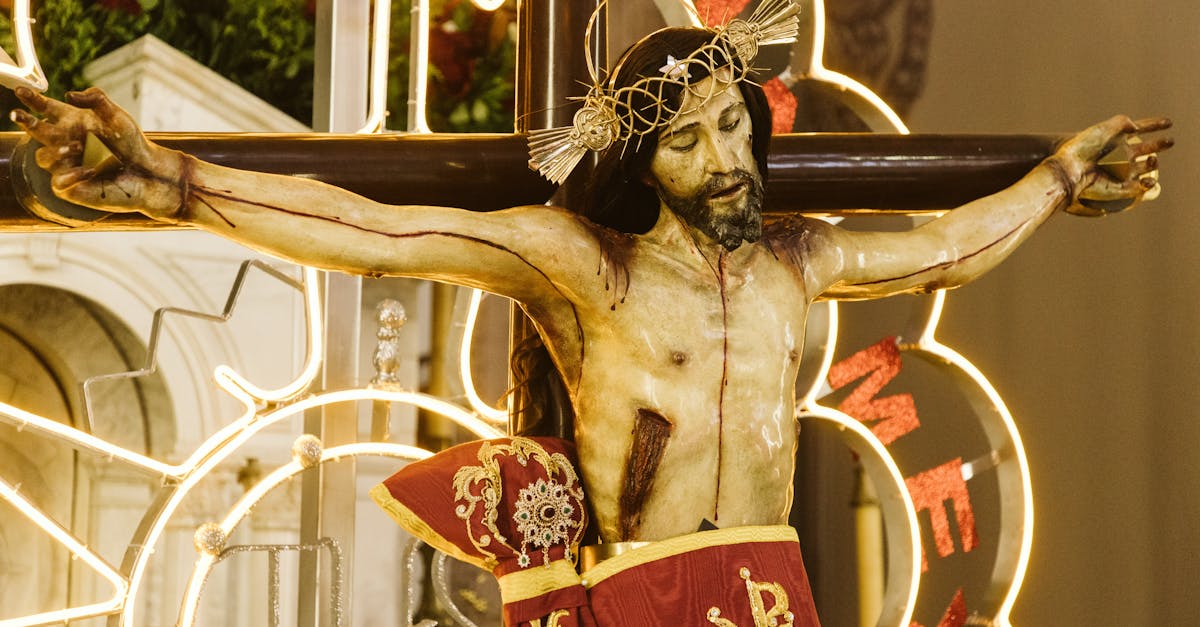
As the spring sun begins to warm the streets of Andalusia, the air fills with a unique blend of incense, orange blossoms, and solemn anticipation during Semana Santa. This Holy Week is far more than a religious observance; it is a visceral display of Spanish identity where history, art, and emotion converge. Across cities like Seville, Malaga, and Valladolid, massive processions wind through narrow cobblestone alleys, led by pasos—elaborately carved wooden floats depicting scenes from the Passion of Christ—that weigh tons yet are carried on the shoulders of devoted brothers known as cargadores. The rhythmic thud of their footsteps and the haunting melodies of brass bands playing traditional marches create an atmosphere that is at once deeply moving and electrifyingly intense.
The true "fiery passion" of this festival lies in the dramatic contrast between the somber silence of the mourners and the explosive energy of the crowds. Participants often don traditional robes called capirotes, concealing their identities to focus entirely on humility and penance, while others express their fervor through tears or silent prayer as the floats pass. Yet, amidst this gravity, there is an undeniable communal joy, a celebration of endurance and faith that resonates with locals and visitors alike. Whether you find yourself lost in the sea of people in Plaza de la Virgen or standing quietly by the Guadalquivir River, Semana Santa offers an unforgettable immersion into the soul of Spain, leaving an indelible mark on all who witness its powerful spectacle.
 This photo was taken by Yoav Franco on Pexels.
The Red Chaos of La Tomatina
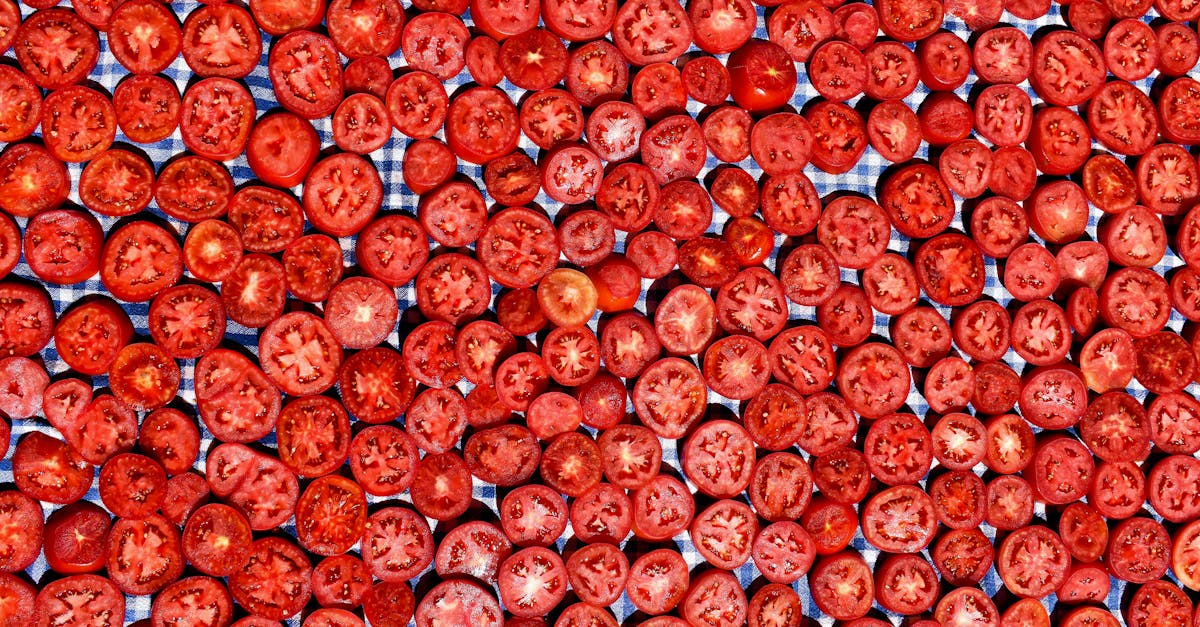
Every last Wednesday of August, the sleepy town of Buñol transforms into a vibrant arena of red chaos during La Tomatina, Spain's most famous food fight. Thousands of visitors from around the globe converge on the narrow streets, armed with over 100 tons of ripe tomatoes that are trucked in specifically for the occasion. What begins as a chaotic brawl quickly evolves into a communal celebration of pure joy and release, where the only rule is to crush the fruit before throwing it, ensuring no one gets hurt amidst the slippery, pulpy storm. The air fills with the scent of crushed pulp and laughter, creating a unique sensory experience that defines the Spanish spirit of letting go and embracing the moment.
The festivities do not end when the final tomato hits the ground; the entire town becomes a giant water park as fire trucks arrive to wash the crimson stains from the participants and the historic architecture alike. This annual event has grown far beyond its humble origins as a local dispute between friends, now standing as a testament to Spain's ability to turn even the messiest situations into unforgettable cultural spectacles. For travelers seeking an adventure that breaks all social norms while fostering a deep sense of community, La Tomatina offers a thrilling glimpse into the country's playful soul, proving that sometimes the best way to understand a place is to get completely covered in its colors.
 This photo was taken by gökçe erem on Pexels.
Beyond the Headlines: Spain's Hidden Local Celebrations
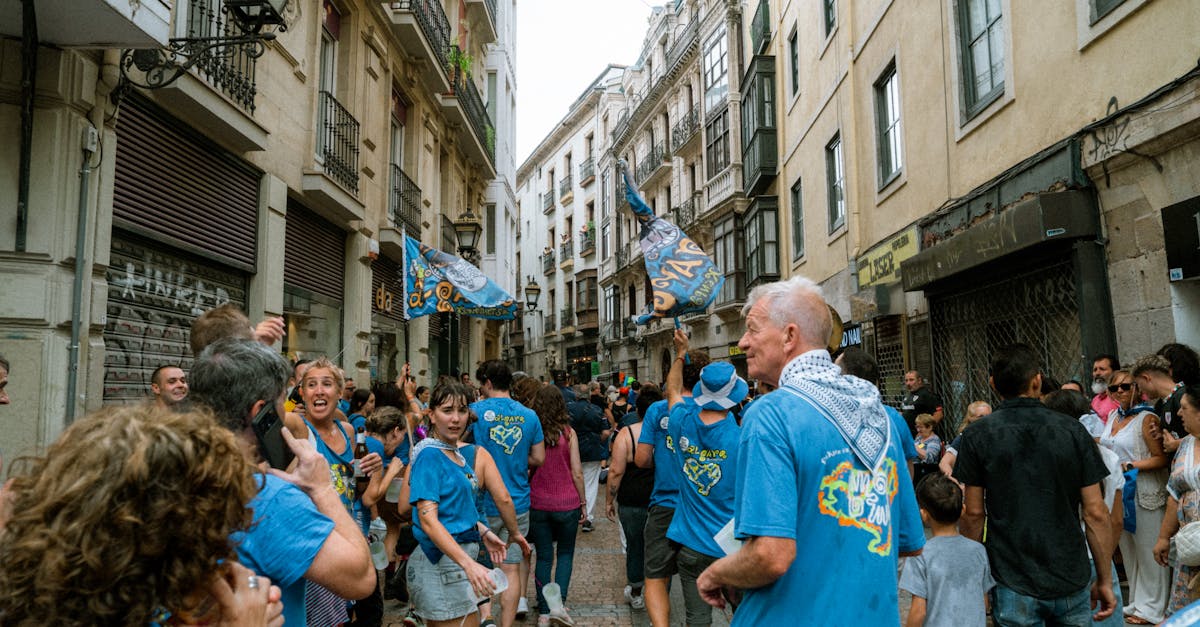
While the world knows Spain for its flamboyant spectacles like La Tomatina or the solemn processions of Semana Santa, the true heartbeat of Spanish culture often beats in quieter, more intimate local fiestas that rarely make international headlines. In the rugged mountains of Asturias, you might find the "Fiesta de la Trashumancia," where shepherds guide thousands of sheep through ancient routes to celebrate a millennia-old tradition of transhumance, offering visitors a rare glimpse into rural life and the deep connection between people and their land. Similarly, in small villages across Andalusia, the "Fiestas de los Patios" transform private courtyards into breathtaking floral gardens during May, inviting neighbors to share homemade tapas and stories under bougainvillea-draped arches, creating an atmosphere of communal warmth that feels far removed from the tourist crowds.
These hidden gems offer a profound insight into the Spanish soul, where celebration is not merely about entertainment but a vital expression of community identity and historical continuity. Whether it is the fire-running rituals of San Fermín's lesser-known cousin in nearby towns or the mysterious masked dances of the "Carnaval de Cádiz" that satirize current events with biting humor, these events require no tickets and are open to anyone willing to join in the revelry. By venturing beyond the famous itineraries, travelers discover that Spain's most memorable moments are often found in the laughter shared over a glass of tinto de verano at a village square festival, where the lines between host and guest dissolve completely.
 This photo was taken by Noland Live on Pexels.