Festival Fever: When and Where to Catch La Tomatina and San Fermín
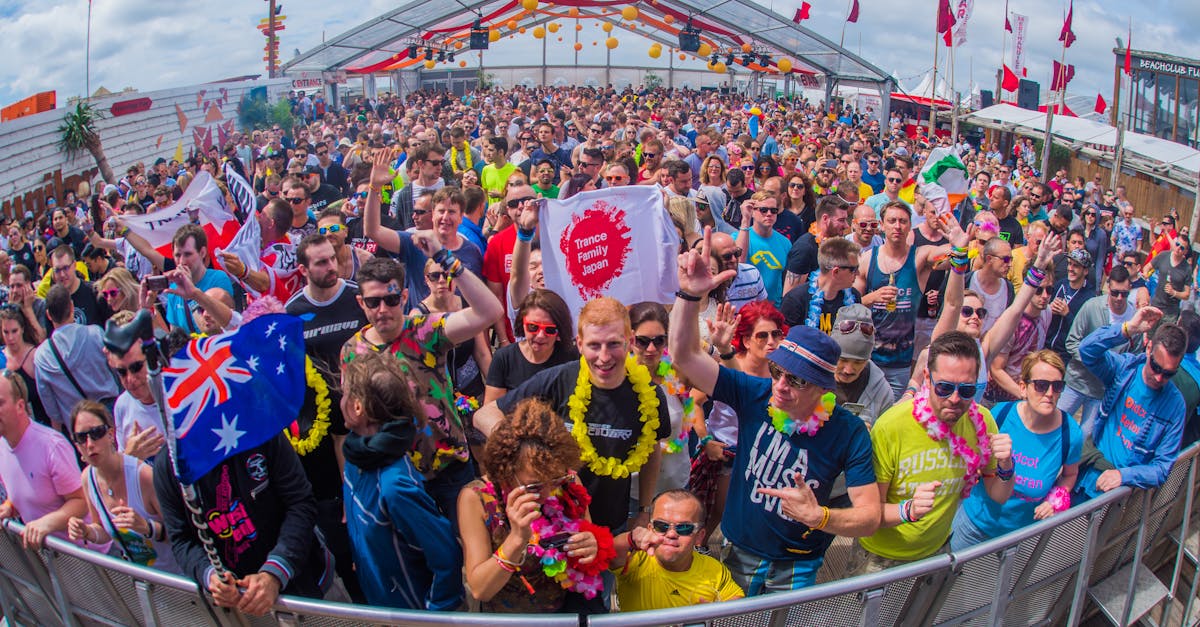 This photo was taken by Cesar de Miranda on Pexels.
Prepare your senses for the most vibrant, chaotic, and unforgettable summer experiences in Spain! From the crimson streets of Buñol to the historic heart of Pamplona, our journey takes you deep into the heart of two legendary festivals that define Spanish culture. Whether you are ready to get drenched in a tomato-filled frenzy or brave the adrenaline rush of running with the bulls, this guide is your essential companion for navigating the crowds, securing the best spots, and embracing the local spirit. Let's dive straight into the details of when and where to catch La Tomatina and San Fermín, ensuring your Spanish summer adventure is nothing short of spectacular.
The Tomato Toss: Navigating La Tomatina in Buñol
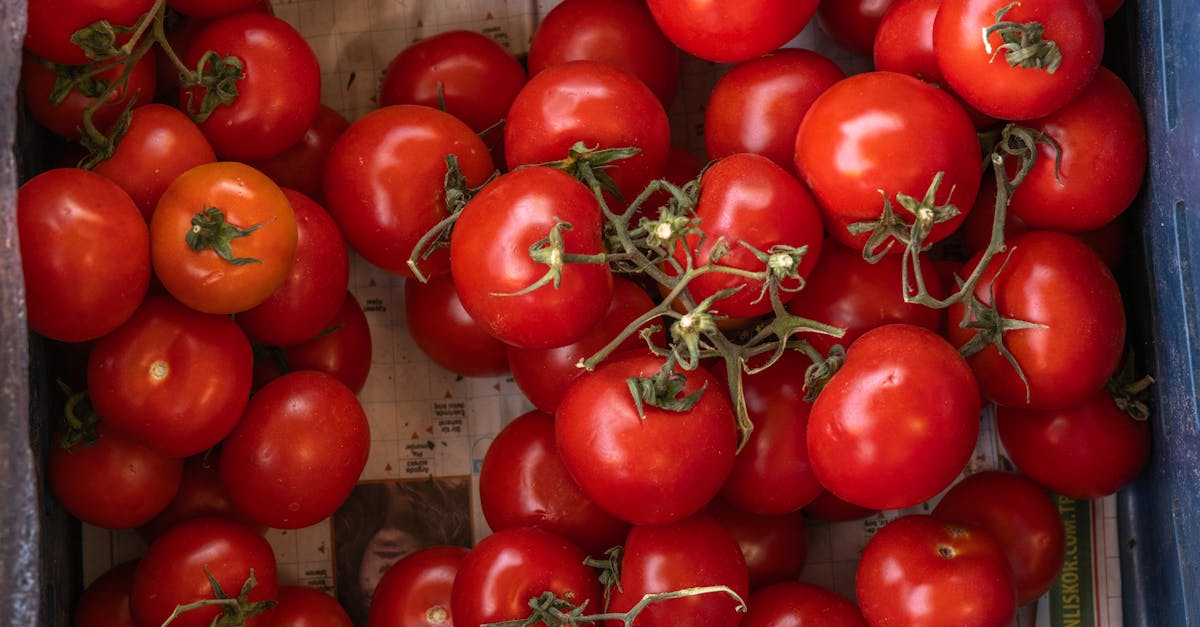 This photo was taken by Doğan Alpaslan Demir on Pexels.
Running with the Bulls: Inside San Fermín's Pamplona Week
Running with the Bulls: Inside San Fermín's Pamplona Week
Every July, the historic streets of Pamplona transform into a pulsating arena for one of the world's most adrenaline-fueled spectacles, the San Fermín festival. The week kicks off at dawn on July 6th with the Chupinazo, a rocket launching from the city hall balcony that signals the start of nine days of non-stop celebration. While the iconic encierro or bull run draws participants from every corner of the globe to sprint alongside six fighting bulls through the narrow cobblestone course toward the bullring, the true spirit of the event lies in the communal joy that permeates the air. Dressed in traditional white attire with red scarves and sashes, revelers dance all night long to live music, share endless glasses of txakoli wine, and immerse themselves in a unique blend of deep-rooted tradition and wild, uninhibited festivity that has captivated audiences since Hemingway put it on the literary map.
However, experiencing San Fermín requires careful planning and respect for its intense atmosphere, as it is not merely a spectator sport but a cultural immersion where safety and etiquette are paramount. For those who prefer to watch rather than run, the best vantage points are along the winding route, though securing a spot often means arriving hours before the start time due to the massive crowds. Beyond the morning runs, the city offers a rich tapestry of activities including religious processions honoring Saint Fermin, giant puppet parades, and concerts that light up the night sky over the old town. Whether you are braving the chaos of the streets or enjoying the vibrant street parties from a balcony, this unforgettable week offers an authentic glimpse into Spanish passion, proving why it remains a top destination for travelers seeking more than just a typical holiday experience.
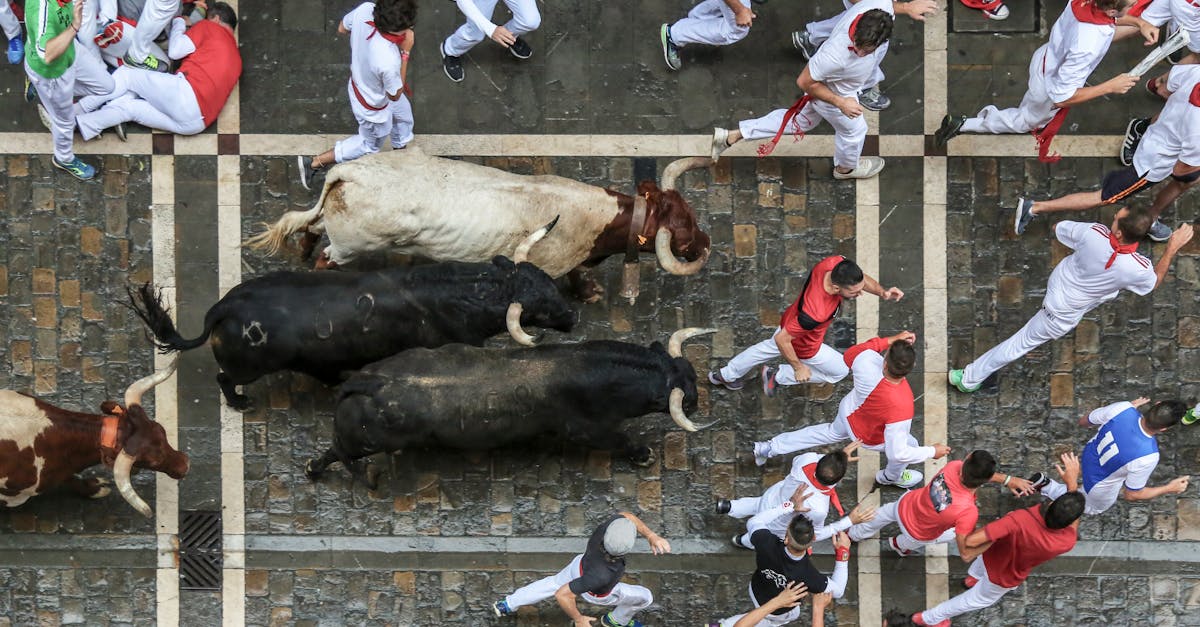 This photo was taken by San Fermin Pamplona on Pexels.
Planning Your Summer: Dates, Logistics, and Local Tips
Securing your spot for Spain's most iconic summer festivals requires strategic planning well in advance, as dates and logistics can make or break your experience. La Tomatina takes place on the last Wednesday of August in Buñol, near Valencia, while San Fermín runs from July 6th to 14th in Pamplona; booking accommodation months ahead is non-negotiable, as hotels in both towns sell out quickly. For logistics, consider arriving a day early to settle in and attend the opening ceremonies, such as the chupinazo rocket launch in Pamplona, but be prepared for intense crowds and strict security checks at entry points. Transport links are robust with trains connecting Madrid to both cities, though renting a car offers flexibility if you plan to explore the surrounding countryside between events.
To truly immerse yourself like a local, embrace the specific customs that define each celebration: for La Tomatina, wear old clothes and goggles to protect your eyes from the acidic tomato pulp, and remember that throwing fruit before the official start time results in immediate ejection. In Pamplona, donning the traditional white attire with a red scarf and belt is essential for blending in during the encierro (running of the bulls), but safety should always come first—familiarize yourself with the route beforehand and never attempt to run if you are unfamiliar with the terrain. Finally, respect the "no waste" rule by keeping the streets clean after the festivities, and take advantage of the late-night tapas culture where locals gather to share stories and celebrate the end of another incredible Spanish summer.
 This photo was taken by Towfiqu barbhuiya on Pexels.