Festival Fever: Experience La Tomatina, Running of the Bulls, and More
 This photo was taken by Aravindhan C on Pexels.
Prepare to dive into the vibrant heart of Spain, where tradition meets pure, unadulterated joy. From the crimson chaos of a tomato-filled battlefield in Buñol to the thundering hooves of Pamplona's streets, our journey explores the festivals that define Spanish culture. Join us as we unravel the stories behind La Tomatina, navigate the adrenaline-fueled Running of the Bulls, and discover a treasure trove of unique celebrations that will leave you breathless. Whether you are seeking historical depth or a day of wild fun, these events promise an unforgettable chapter in your Spanish adventure.
The Fiery Chaos of La Tomatina in Buñol
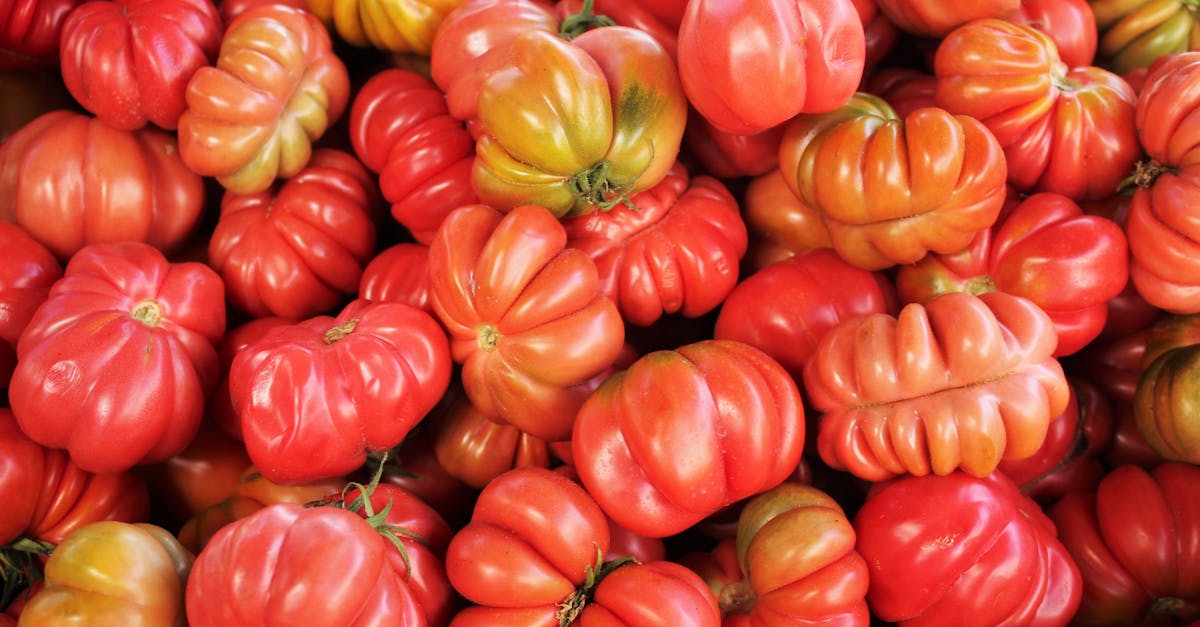
Every last Wednesday of August, the sleepy town of Buñol transforms into a vibrant arena of red pulp and pure exhilaration during La Tomatina, the world's most famous food fight. Thousands of participants from every corner of the globe descend upon this small Valencia community to engage in an hour-long battle where over 100 tons of ripe tomatoes are dumped from trucks and hurled with reckless abandon. As the air fills with the sweet scent of crushed fruit and the streets turn into a crimson river, inhibitions vanish, leaving everyone covered head-to-toe in a messy, joyful sludge that is as much about letting go as it is about celebration. It is a chaotic spectacle where the only rule is to squash the tomato before throwing it, ensuring that the fun remains safe while the laughter echoes through the narrow cobblestone alleys.
Beyond the sheer physical chaos, La Tomatina offers a unique glimpse into Spanish culture's ability to find joy in communal absurdity. After the final bell rings and the "paella" of the morning ends, locals and visitors alike join forces to hose down the streets and each other, turning the cleanup into a festive water parade that cements friendships forged in the fray. This event perfectly encapsulates the spirit of Spain: passionate, uninhibited, and deeply social. While the festival may seem like a fleeting moment of madness, it leaves a lasting impression on all who experience it, serving as a reminder that sometimes the best memories are made not by observing perfection, but by embracing the beautiful mess of life together.
 This photo was taken by Aragonés on Pexels.
Adrenaline and Tradition: The Running of the Bulls
Adrenaline and Tradition: The Running of the Bulls
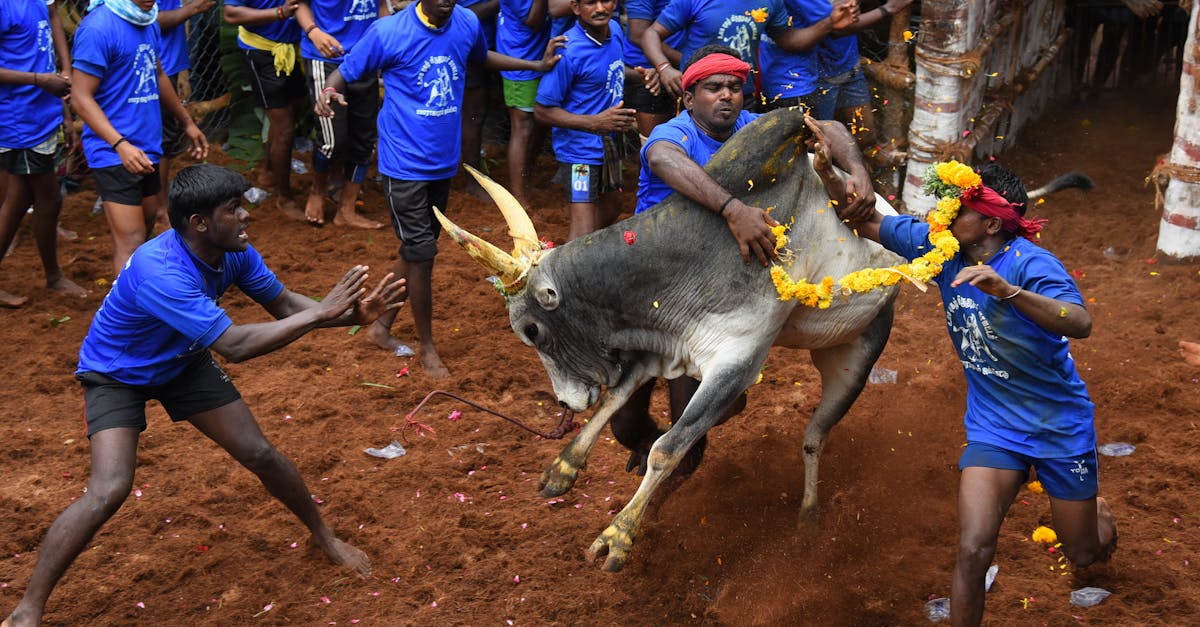
Every July, the narrow cobblestone streets of Pamplona transform into a stage for one of the world's most electrifying spectacles, the San Fermín festival. For eight days, thousands gather to witness the encierro, a daily dash where brave runners attempt to outrun six powerful fighting bulls through a 825-meter course before they are safely guided into the bullring. This ancient ritual, steeped in centuries of history and religious devotion, offers an unparalleled rush of adrenaline that pulses through every participant, yet it is far more than just a thrill; it is a profound cultural expression of courage and community that defines the spirit of Navarre.
Beyond the chaos of the run itself, the festival immerses visitors in a vibrant tapestry of tradition, from the opening chiriguita parade to the nightly bonfires and traditional Basque dances. While the morning race captures global attention, the true essence of San Fermín lies in the evening celebrations where locals and tourists alike don white with red scarves, singing folk songs and sharing wine under the warm summer sky. It is a unique fusion of danger and festivity, inviting travelers to not only test their nerves but also to connect deeply with the enduring customs that have made this Spanish celebration a timeless icon on the international calendar.
 This photo was taken by @coldbeer on Pexels.
Beyond the Headlines: Spain's Most Unique Festivals
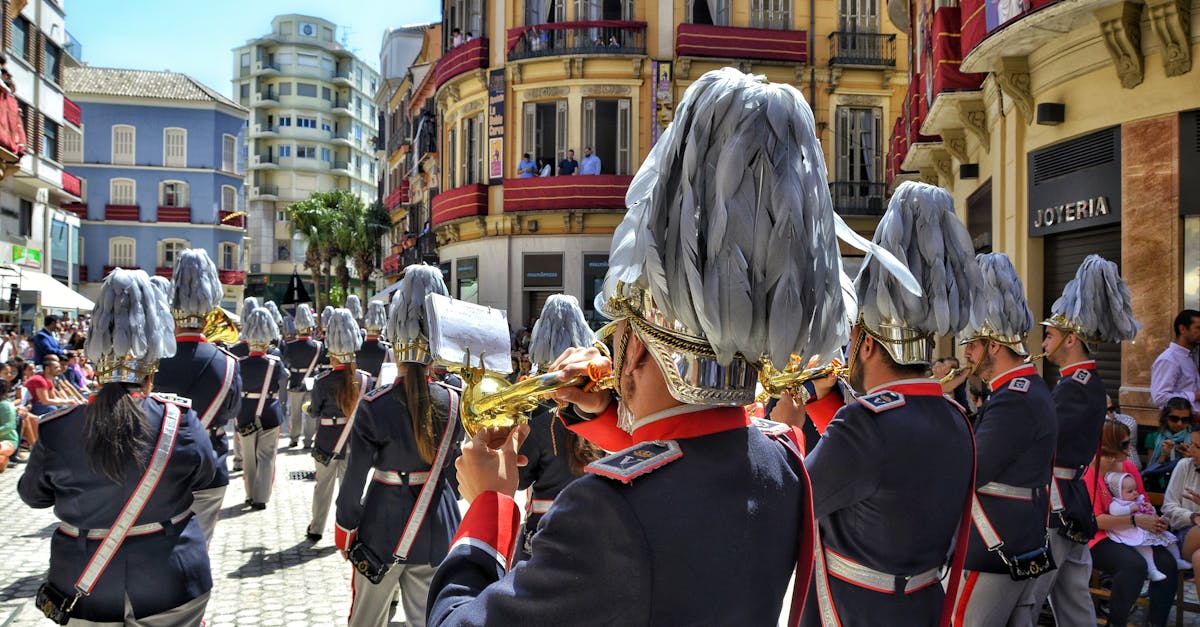
While the world often fixates on the chaos of La Tomatina in Buñol or the adrenaline-fueled sprint of San Fermín in Pamplona, Spain's true cultural heartbeat pulses through a myriad of equally mesmerizing yet lesser-known celebrations. Venture to the coastal town of Cullera for the Fallas de la Costa, where giant papier-mâché monuments are dedicated to the sea rather than industry, or travel inland to Huelva for the Romería del Rocío, a pilgrimage of thousands dressed in traditional Andalusian attire that transforms dusty roads into rivers of color and devotion. These events offer an intimate glimpse into local traditions, proving that Spanish festivity is not merely about spectacle but deeply rooted in community identity, historical reverence, and an infectious joy that invites visitors to participate rather than just observe.
Exploring these unique festivals reveals a country where time seems to suspend itself in favor of ancient rituals and communal bonding. From the fiery dance of the "Moors and Christians" reenactments found in countless villages across Valencia and Murcia to the mystical fire-walking ceremonies of the Fiestas de la Virgen de la Cabeza, each celebration tells a story of resilience and faith passed down through generations. As a guide, I encourage you to step off the beaten tourist path; it is in these hidden gems, far from the crowded headlines, that you will find the authentic soul of Spain, where every drumbeat, flame, and shared meal weaves a tapestry of heritage that remains vividly alive today.
 This photo was taken by Antonio Guirado Rivas on Pexels.