Essential Tips for Navigating Spain Like a Local
 This photo was taken by ricfer on Pexels.
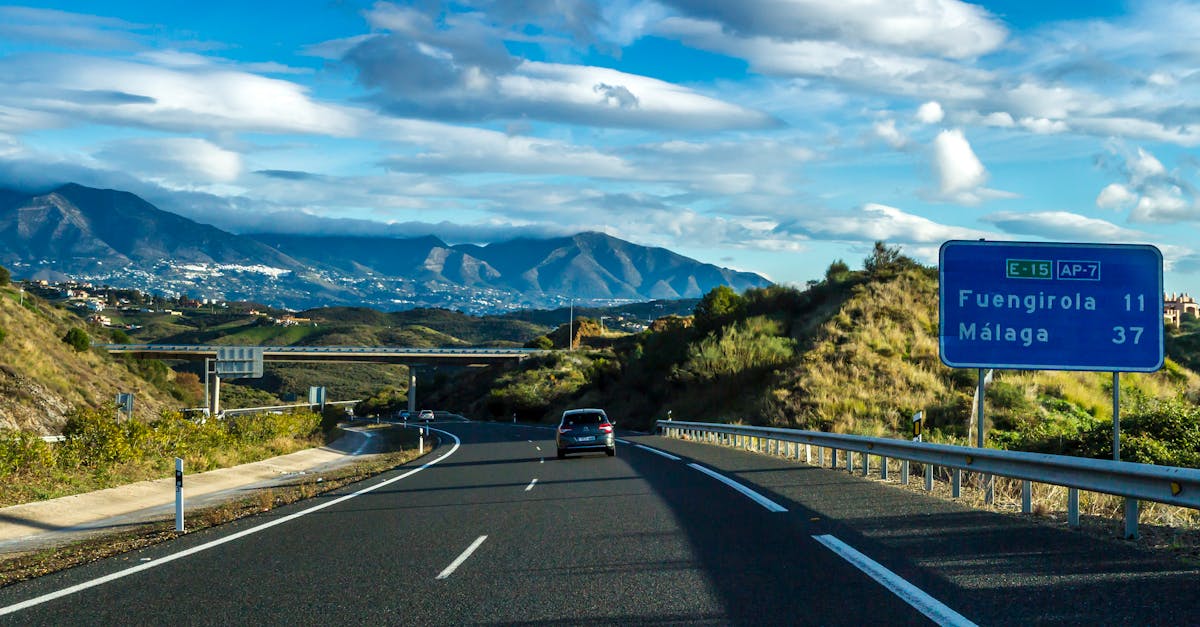
¡Hola and welcome to the sun-drenched heart of the Mediterranean! As your local guide, I know that Spain offers far more than just tapas and siestas; it is a land where life moves to its own vibrant rhythm. To truly immerse yourself in this culture, you must step off the beaten path and embrace the customs that make our daily lives so unique. Whether you are trying to time your meals like a true Madrileño, mastering the efficient networks of our trains and metros, or simply learning how to greet neighbors with warmth and respect, this guide is your key to unlocking an authentic experience. Let's dive into the secrets of navigating Spain like a local and discover why falling in love with our way of life is inevitable.
This photo was taken by ricfer on Pexels.
¡Hola and welcome to the sun-drenched heart of the Mediterranean! As your local guide, I know that Spain offers far more than just tapas and siestas; it is a land where life moves to its own vibrant rhythm. To truly immerse yourself in this culture, you must step off the beaten path and embrace the customs that make our daily lives so unique. Whether you are trying to time your meals like a true Madrileño, mastering the efficient networks of our trains and metros, or simply learning how to greet neighbors with warmth and respect, this guide is your key to unlocking an authentic experience. Let's dive into the secrets of navigating Spain like a local and discover why falling in love with our way of life is inevitable.
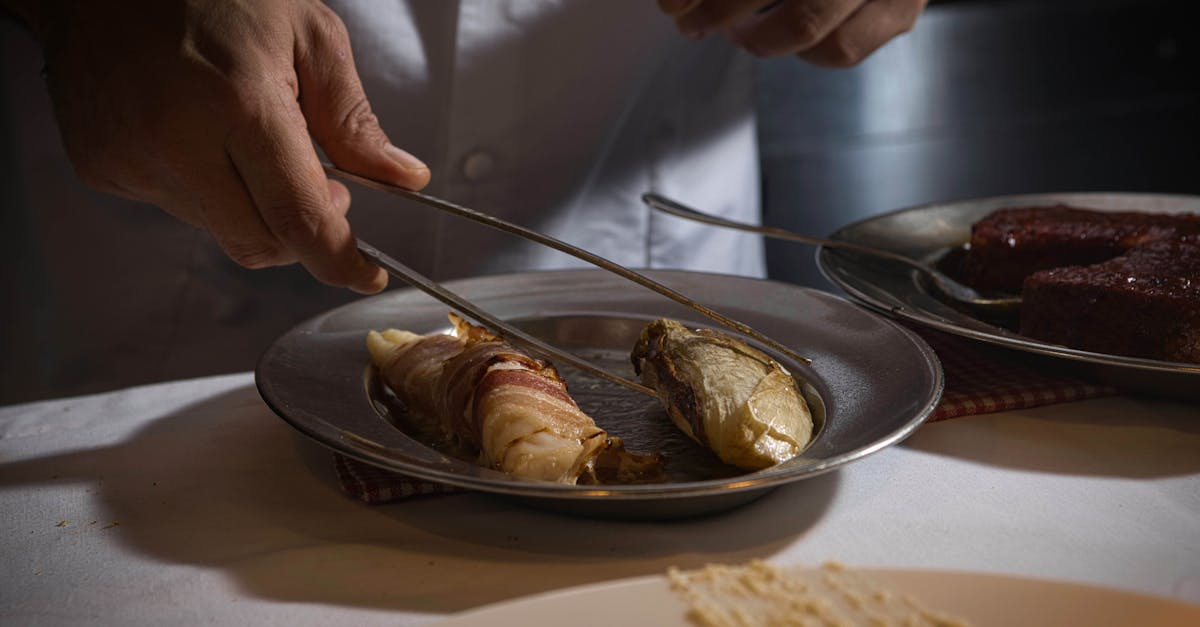
Mastering the Art of Spanish Dining Times
 This photo was taken by Alexandr Zhukovskyi on Pexels.
Getting Around Without a Car: Trains, Buses, and Metro Tips
Spain boasts an exceptionally efficient public transportation network that allows you to explore the country's diverse regions without ever needing a car. The high-speed AVE trains are a local favorite for connecting major cities like Madrid, Barcelona, and Seville in mere hours, offering a comfortable and scenic alternative to flying or driving. For reaching smaller towns and rural villages not served by rail, the extensive bus system operated by companies like ALSA is both reliable and affordable; simply remember to purchase your tickets at the station counter or via their official apps, as drivers rarely sell on board. Once you arrive in a bustling metropolis, the metro systems in cities like Madrid and Barcelona are clean, safe, and cover almost every corner of the urban landscape, making them the fastest way to navigate busy streets during rush hour.
To truly navigate Spain like a local, it is essential to familiarize yourself with the different ticketing options available, such as multi-ride cards or daily passes, which often provide significant savings compared to single journeys. In many cities, you can tap a contactless bank card directly at the turnstiles, eliminating the need to queue for physical tickets, though it is always wise to validate any paper tickets before boarding to avoid fines. When traveling by intercity bus, try to arrive at the terminal 20 minutes early to find your designated gate, as schedules can be tight and gates may change last minute. By embracing these transit methods, you not only save money but also immerse yourself in the authentic rhythm of Spanish life, avoiding the stress of parking and traffic while discovering hidden gems accessible only by foot from a central transit hub.
 This photo was taken by Caique Araujo on Pexels.
Decoding Local Etiquette and Greetings
When navigating Spanish social interactions, understanding the rhythm of greetings is paramount to blending in seamlessly. Unlike many Northern European or North American cultures where a quick handshake often suffices, locals typically greet with two kisses on the cheek—starting with the left—or a warm hug among friends, even upon first meetings in casual settings. It is crucial to maintain eye contact and offer a friendly "Hola" or "Buenos días" before diving into conversation; skipping this pleasantries can be perceived as abrupt or rude. Furthermore, remember that time is viewed more fluidly here; while punctuality is expected for business appointments, social gatherings often operate on a relaxed schedule known as "la hora española," so arriving slightly late is not only acceptable but sometimes expected.
Beyond verbal greetings, observing local dining etiquette will significantly enhance your experience at any table. Never rush a meal, as dining is a cherished social ritual meant to be savored slowly, often lasting hours with multiple courses and ample conversation. When ordering drinks or asking for the bill, always use polite phrases like "por favor" and "gracias," and avoid raising your voice or speaking loudly in public spaces, which is generally frowned upon. Additionally, tipping is discretionary rather than obligatory; leaving small change or rounding up the bill is standard practice in bars and cafes, whereas a 5-10% tip is appreciated in sit-down restaurants if you are satisfied with the service. By respecting these unwritten rules, you show appreciation for the culture and invite warmer receptions from the locals.
 This photo was taken by Altaf Shah on Pexels.