Eco-Tourism in Spain: Sustainable Travel in Natural Parks
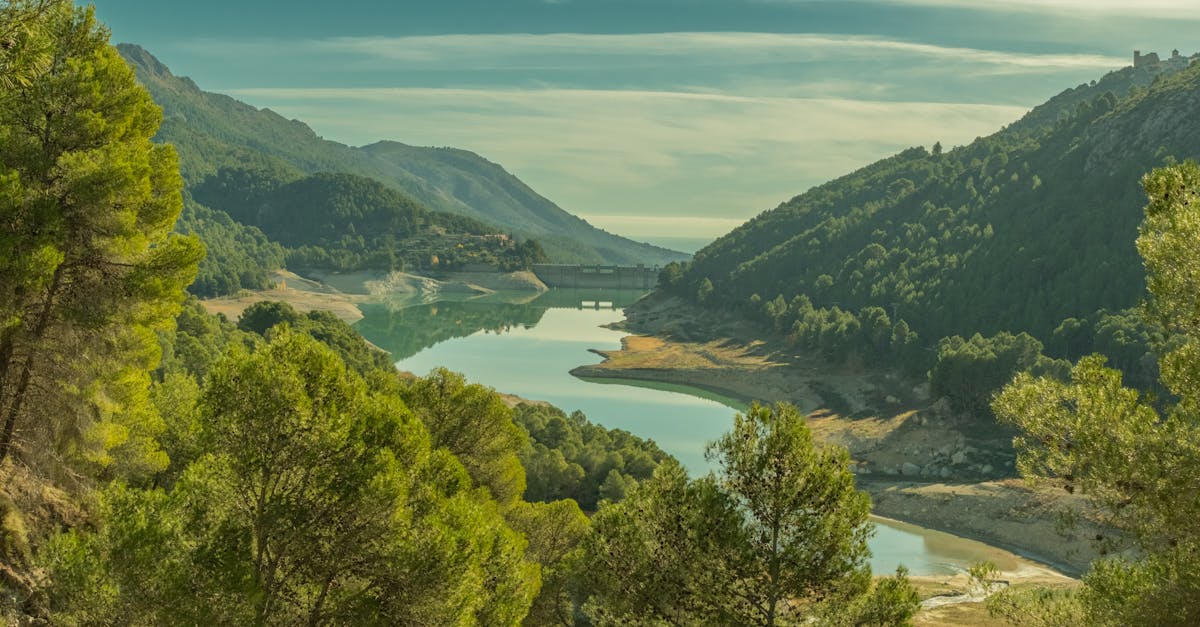 This photo was taken by Miguel Rivera on Pexels.
Welcome to the heart of Spain, a land where ancient traditions meet breathtaking landscapes. Beyond the bustling streets of Barcelona and the historic plazas of Seville lies a vast network of protected areas waiting to be explored responsibly. In this post, we invite you to discover the magic of Eco-Tourism in Spain, focusing on our stunning Natural Parks that offer a perfect blend of adventure and conservation. Whether you are trekking through the rugged peaks of Ordesa or wandering the serene dunes of Doñana, sustainable travel allows us to preserve these treasures for future generations while supporting the vibrant local communities that call them home. Let's embark on a journey that respects nature and enriches the soul.
Discover Spain's Hidden Natural Gems
While the bustling beaches of the Costa del Sol often steal the spotlight, Spain's true ecological treasures lie in its lesser-known national parks, where untouched landscapes invite a deeper connection with nature. Venture into the dramatic limestone peaks of Ordesa y Monte Perdido in the Pyrenees, where ancient beech forests and thundering waterfalls create a sanctuary for rare species like the golden eagle and the Pyrenean chamois. Similarly, the rugged terrain of Picos de Europa offers breathtaking hiking trails that wind through deep gorges and high-altitude meadows, providing an authentic experience of sustainable trekking away from the crowds. These protected areas are not just scenic backdrops but vital ecosystems where conservation efforts ensure that future generations can witness the raw beauty of the Iberian Peninsula.
Exploring these hidden gems also means supporting local communities that have mastered the art of living in harmony with their environment. In places like Doñana National Park, once a royal hunting ground now teeming with migratory birds and unique wetlands, visitors can engage in guided eco-tours led by local naturalists who share centuries-old knowledge about the region's biodiversity. Whether you are kayaking through the serene salt flats of Cabo de Gata-Níjar or wandering the volcanic landscapes of Timanfaya in Lanzarote, every step taken responsibly contributes to the preservation of Spain's diverse habitats. By choosing these off-the-beaten-path destinations, travelers become active participants in Spain's growing eco-tourism movement, ensuring that the country's natural heritage remains vibrant and resilient.
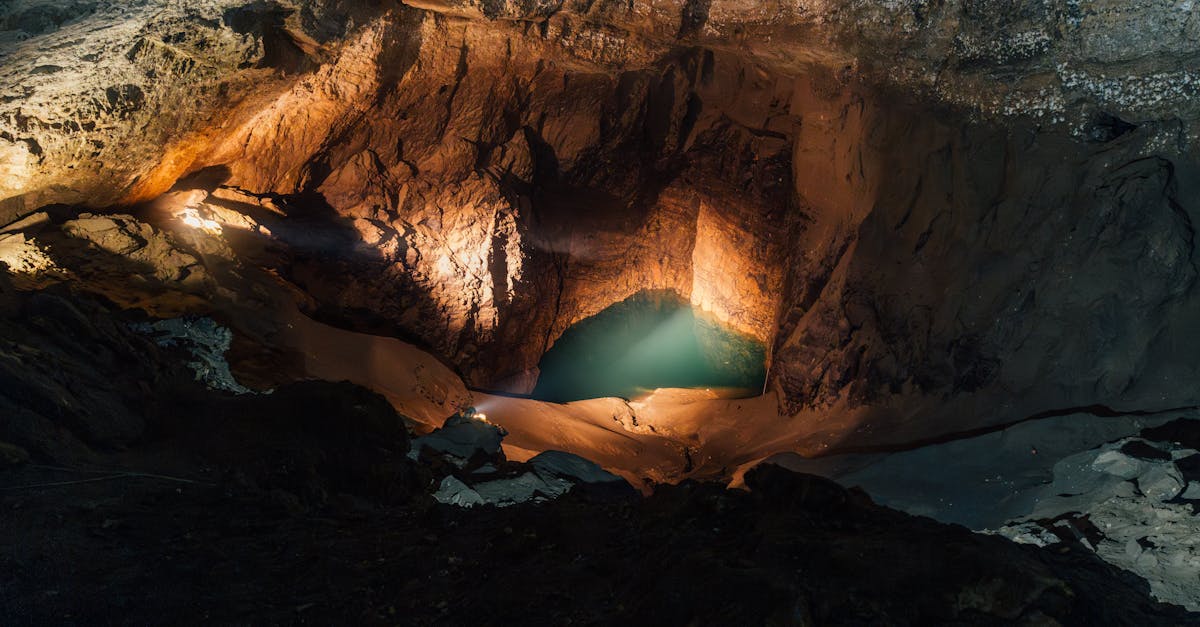 This photo was taken by Siarhei Nester on Pexels.
Practical Tips for Responsible Travelers
When exploring Spain's breathtaking natural parks, from the rugged peaks of Picos de Europa to the serene dunes of Doñana, your primary responsibility is to leave no trace. Always stick to marked trails to protect fragile ecosystems and avoid disturbing wildlife; remember that many species here are protected by strict regulations. Carry a reusable water bottle and pack out all your trash, as littering in these pristine areas not only harms the environment but also violates local laws that can result in significant fines. By respecting the delicate balance of nature, you help ensure that these magnificent landscapes remain intact for future generations to enjoy.
To further support sustainable tourism, consider choosing eco-certified accommodations and local guides who prioritize environmental conservation and community well-being. Engage with local culture respectfully by learning a few basic phrases in Spanish or regional languages like Catalan or Basque, which fosters a deeper connection with the people who call these natural treasures home. Additionally, be mindful of resource consumption during your stay, such as conserving water in arid regions and minimizing energy use in rural lodges. Your conscious choices as a traveler directly contribute to the preservation of Spain's biodiversity while supporting the local economies that depend on it.
 This photo was taken by Sahil Singh on Pexels.
Supporting Local Communities Through Sustainable Tourism
Choosing to visit Spain's protected natural parks, such as the Picos de Europa or Doñana National Park, offers a unique opportunity to directly bolster the economic resilience of rural communities that often rely heavily on seasonal tourism. By prioritizing locally owned accommodations, hiring local guides who possess deep ancestral knowledge of the landscape, and purchasing artisanal goods from village markets, travelers ensure that their spending remains within the region rather than leaking out to international chains. This approach not only provides vital income for families preserving traditional farming and herding practices but also fosters a sense of pride among residents, encouraging them to continue safeguarding their environment against overdevelopment.
Furthermore, sustainable travel in these areas is deeply rooted in cultural exchange and education, transforming tourists into active participants in conservation efforts. Many eco-lodges and park initiatives now collaborate with community cooperatives to offer workshops on native flora, organic agriculture, and wildlife protection, allowing visitors to learn how their presence can contribute to long-term ecological balance. When travelers respect carrying limits, adhere to designated trails, and engage with locals who share stories about their heritage, they help create a tourism model where nature and culture thrive together. Ultimately, this conscious engagement ensures that Spain's stunning natural landscapes remain vibrant for future generations while empowering the people who call these wild places home. This photo was taken by RDNE Stock project on Pexels.