Discovering the Hidden Gems of Andalusia's White Villages
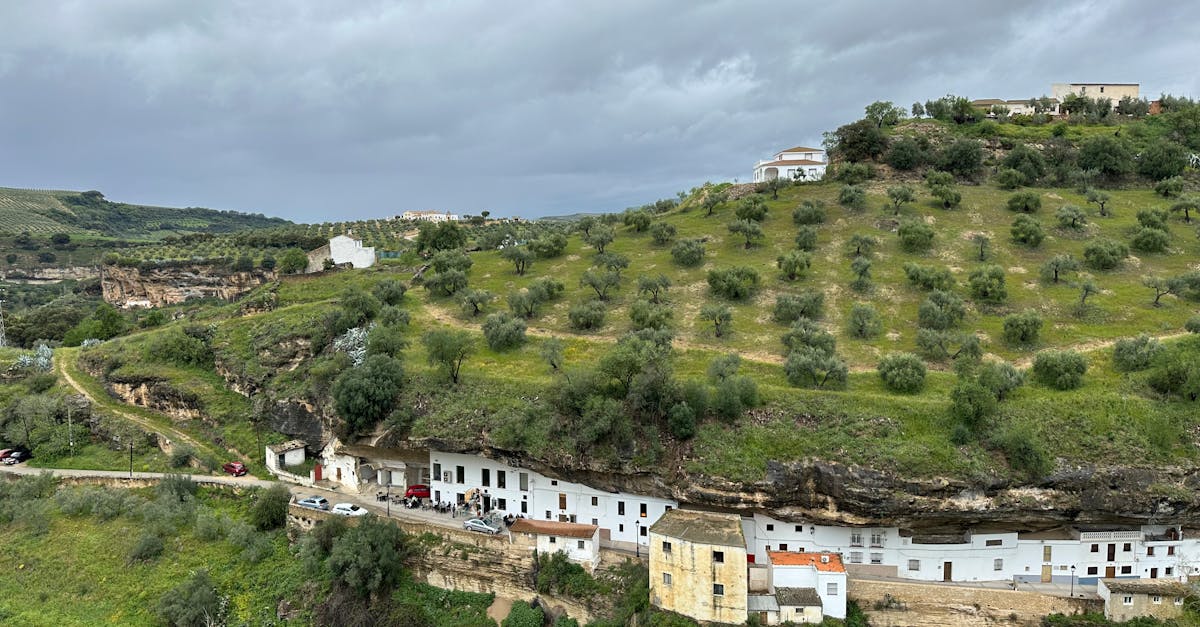 This photo was taken by Sergei Gussev on Pexels.
Bienvenidos to the sun-drenched soul of southern Spain, where the landscape seems to have been painted by an artist obsessed with light and contrast. While many travelers flock to the bustling streets of Seville or the grandeur of Granada, the true magic of Andalusia often lies in its Pueblos Blancos—the White Villages clinging to the rugged mountainsides like scattered pearls. In this journey, we will leave the crowded tourist trails behind to explore the narrow, labyrinthine alleys of Casares, where every corner reveals a new postcard view. We'll guide you away from the main plazas to discover Ronda's best-kept culinary secrets, hidden within tapas bars that have served locals for generations. Finally, we will venture into Setenil de las Bodegas, a village uniquely built into the very rock face itself, offering a fascinating glimpse into ancient history and geological wonder. Get ready to pack your bags and uncover the authentic, unspoiled beauty that makes these villages so unforgettable.
Wandering Through the Whitewashed Streets of Casares
Nestled high in the Sierra de Grazalema Natural Park, Casares stands as a pristine jewel among Andalusia's famous pueblos blancos, offering visitors an authentic escape from the bustling tourist trails. As you meander through its labyrinthine alleys, the dazzling white stucco of the houses seems to glow under the intense southern sun, creating a striking contrast against the deep blue sky and the rugged green mountains that surround it. The scent of orange blossoms drifts through narrow passages lined with blooming geraniums in terracotta pots, while the sound of distant church bells echoes off the stone walls, transporting you back in time to a simpler era where life moved at a leisurely pace.
The true magic of Casares lies in its dramatic setting atop a steep ridge, providing breathtaking panoramic views that stretch across the Costa del Sol and all the way to the African coast on clear days. A short climb up the winding path leads you to the 13th-century castle ruins, once a strategic Moorish fortress, which now offer a serene spot for sunset watching and photography. Whether you are exploring the charming Plaza de España, admiring the intricate wrought-iron balconies, or simply pausing in a quiet courtyard to enjoy a glass of local wine, every corner of this whitewashed village reveals a new layer of history and beauty that makes it an essential stop on any journey through hidden Andalusia.
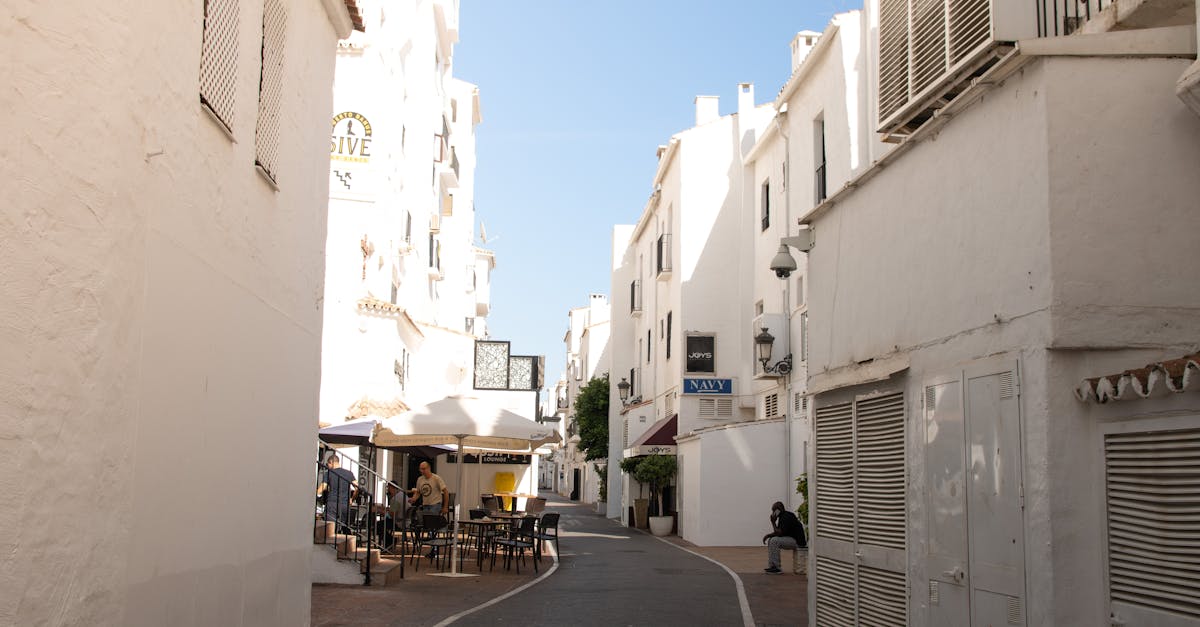 This photo was taken by Daniel Nouri on Pexels.
Savoring Authentic Flavors in Ronda's Hidden Tapas Bars
Nestled within the whitewashed labyrinth of Ronda, away from the crowded main plaza, lie hidden tapas bars that offer a culinary journey straight into the heart of Andalusian tradition. Here, the air is thick with the aroma of sizzling chorizo and garlic-infused olive oil, inviting you to sit at worn wooden counters where locals gather after work. Instead of tourist-heavy menus, these intimate spots serve "raciones" designed for sharing, featuring regional specialties like salmorejo cordobés topped with hard-boiled egg or fresh anchovies from the nearby Costa del Sol. The experience is less about the food alone and more about the slow pace of life, where every bite tells a story of centuries-old recipes passed down through generations in family-run establishments.
To truly savor these authentic flavors, one must embrace the local custom of "tapeo," hopping from bar to bar to sample small plates paired with a glass of fino sherry or a crisp local white wine. In Ronda's most secretive corners, you might find a grandmother stirring a pot of patatas bravas with a secret spice blend or a young chef experimenting with modern twists on classic gazpacho using heirloom tomatoes from the Guadalhorce valley. These unassuming venues often lack signage, relying instead on word-of-mouth among residents, which adds an element of discovery to your meal. By stepping off the beaten path, you not only taste the genuine soul of the village but also connect with the warm, welcoming spirit that defines the White Villages of Andalusia.
 This photo was taken by Kampus Production on Pexels.
Uncovering Ancient History in the Cliffside Village of Setenil
Nestled within the rugged Sierra de Cádiz, Setenil de las Bodegas offers a truly surreal encounter with history where the architecture seems to grow organically from the rock itself. Unlike traditional villages that sit atop hills, this unique settlement is carved directly into massive sandstone cliffs and overhangs, creating a labyrinth of narrow alleyways where homes are built under natural stone canopies. As you wander through its cobbled streets, you will discover ancient dwellings that have sheltered families for centuries, their facades seamlessly blending with the towering limestone walls that provide natural shade and protection against the Andalusian sun.
The village's rich heritage dates back to the Moorish occupation, evident in its fortified layout and the ingenious adaptation of the landscape for both defense and daily living. Visitors can explore the remnants of old defensive towers and walk along paths that were once vital trade routes, all while marveling at how the community has preserved its distinct character without compromising the integrity of the natural formations. Whether you are peering into the shadowy recesses of the cliffside or enjoying a meal in one of the many cave restaurants, Setenil provides an immersive journey into a past where human ingenuity and nature coexisted in perfect harmony.
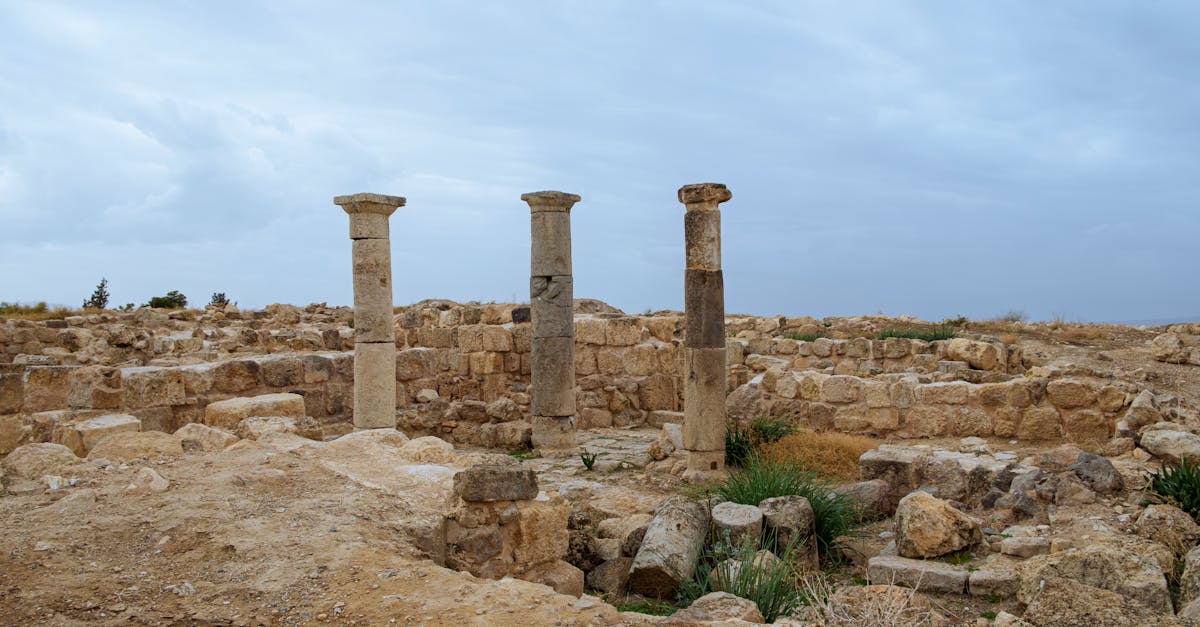 This photo was taken by Plastic Lines on Pexels.