Discovering the Hidden Gems of Andalusia Beyond Seville
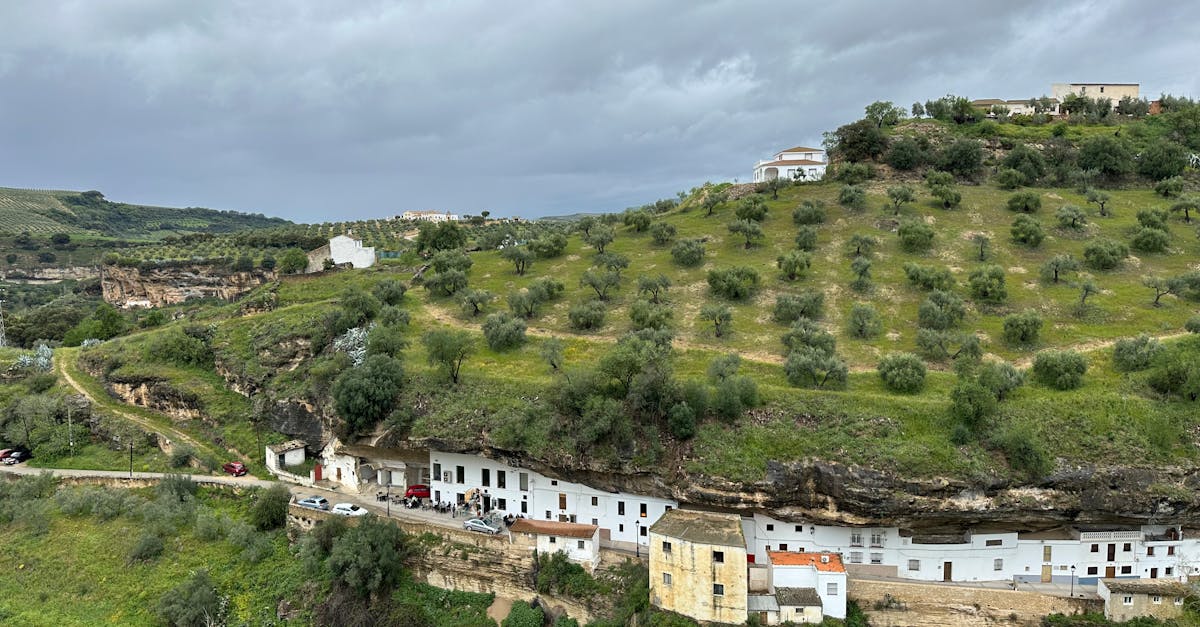 This photo was taken by Sergei Gussev on Pexels.
While the sun-drenched plazas and flamenco rhythms of Seville often steal the spotlight, the true soul of Andalusia lies in its untamed corners and forgotten stories. As your local guide, I invite you to look beyond the capital's famous monuments and venture into a landscape where history breathes through every stone. From the dizzying heights of Ronda's dramatic gorge to the pristine white villages clinging to the Sierra Nevada, and from the silent grandeur of Roman Italica to the quiet, hidden courtyards of Córdoba, this journey promises to reveal the region's most enchanting secrets. Let us step off the beaten path together and discover the authentic magic that awaits in these lesser-known treasures.
The Moorish Majesty of Ronda and Its Dramatic Gorge
Perched dramatically atop a sheer cliff overlooking the El Tajo Gorge, Ronda stands as a breathtaking testament to Andalusia's complex history and stunning geography. Once a strategic stronghold under Moorish rule, the town retains an ethereal charm where ancient stone walls blend seamlessly with the rugged landscape, offering visitors a glimpse into a bygone era of Islamic grandeur. The iconic Puente Nuevo, a massive 18th-century bridge that spans the dizzying 120-meter chasm, serves as the city's dramatic centerpiece, inviting you to walk across its arches while gazing down at the deep gorge below where the Guadalevín River carves its path through the earth.Beyond the awe-inspiring vistas, wandering through Ronda's narrow, winding streets feels like stepping back in time, with whitewashed houses cascading down the mountainside and hidden courtyards echoing with the quiet majesty of the past. You can explore the remnants of the old Moorish baths or visit the historic bullring, one of the oldest in Spain, which sits directly on the edge of the precipice, offering a thrilling perspective on both the town's rich cultural heritage and its perilous natural setting. This unique fusion of architectural splendor and geological drama makes Ronda not just a destination, but an unforgettable emotional experience that reveals the true soul of the Sierra de las Nieves region.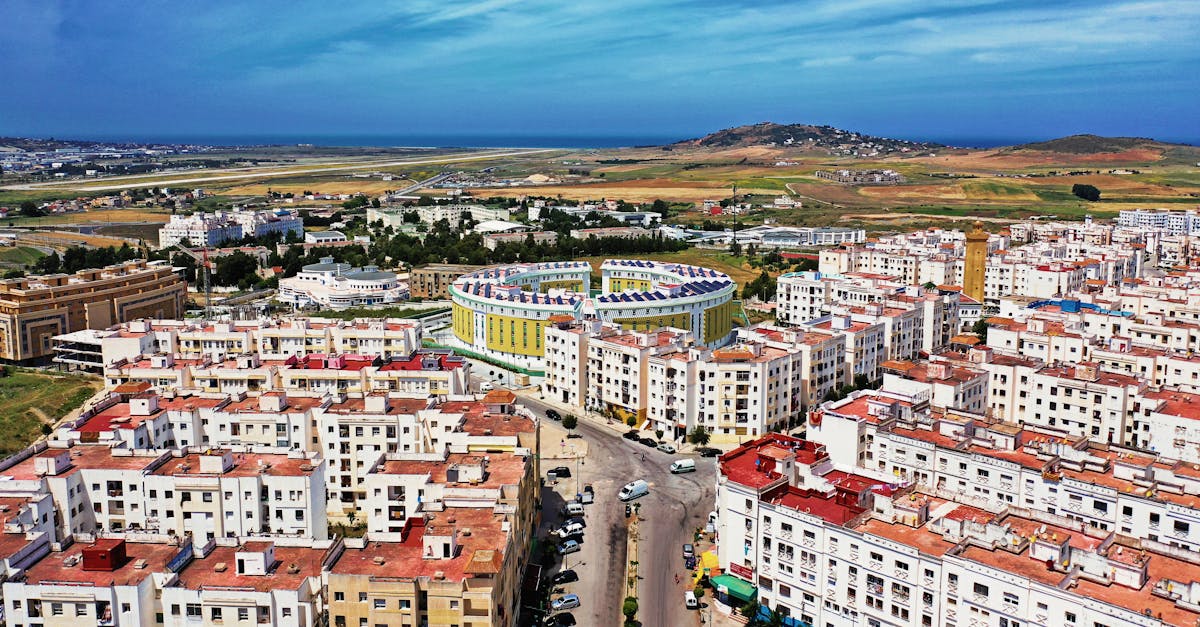 This photo was taken by Sulaiman Afrij on Pexels.
White Villages Woven into the Sierra Nevada Mountains
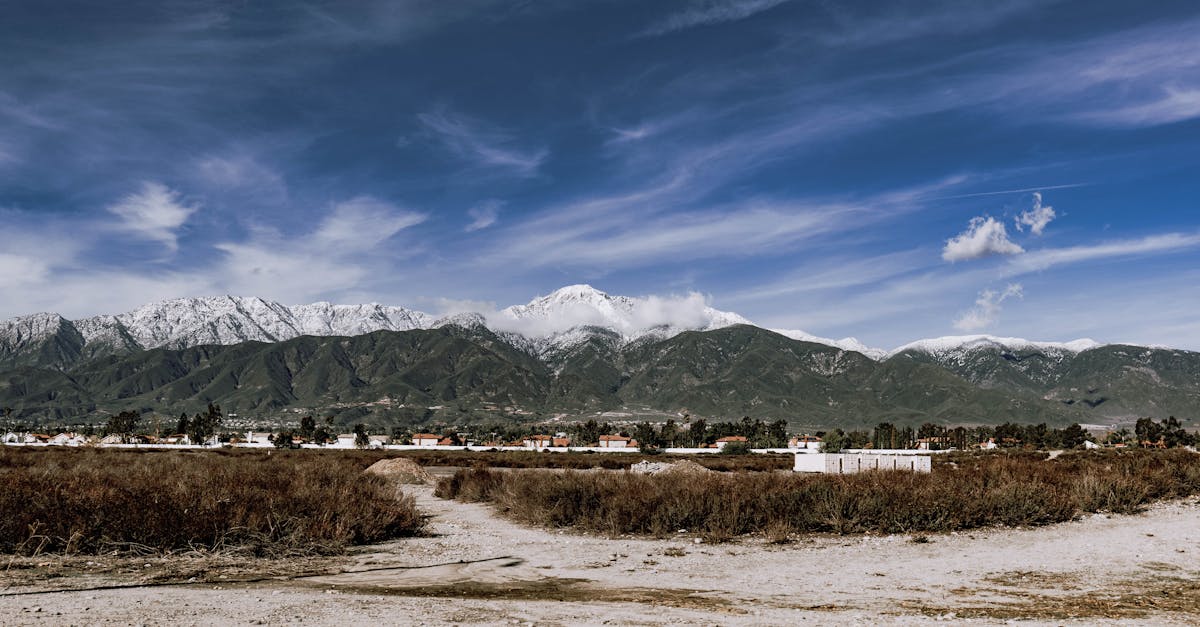
Nestled high within the rugged embrace of the Sierra Nevada, the Pueblos Blancos offer a breathtaking contrast to the bustling streets of Seville, where whitewashed facades seem to glow against the deep azure sky and the dramatic, snow-capped peaks in the distance. These ancient villages, perched precariously on steep slopes or hidden in lush valleys, are a testament to Moorish ingenuity, featuring narrow, winding cobblestone alleys that invite you to lose yourself in their labyrinthine charm. As you wander through places like Capileira or Trevélez, the highest village in Spain, you will discover that every corner reveals a new perspective, from terraced vineyards clinging to the mountainside to historic watchtowers that once guarded the frontier between Christian and Muslim territories.
Beyond their visual splendor, these mountain strongholds provide an authentic glimpse into traditional Andalusian life, far removed from the tourist-heavy centers of the coast. The air here is crisp and carries the scent of wild herbs and roasting coffee, while local artisans continue to practice centuries-old crafts, weaving intricate rugs or crafting pottery with clay dug from the very earth beneath your feet. Whether you are hiking the famous GR-249 trail connecting these settlements or simply sitting in a shaded plaza sipping café con leche, the White Villages offer a serene sanctuary where time slows down, allowing travelers to reconnect with nature and the rich cultural heritage that defines the soul of this majestic region.
 This photo was taken by Owen Mao on Pexels.
Ancient Secrets: The Roman Ruins of Italica and Córdoba's Lesser-Known Quarters
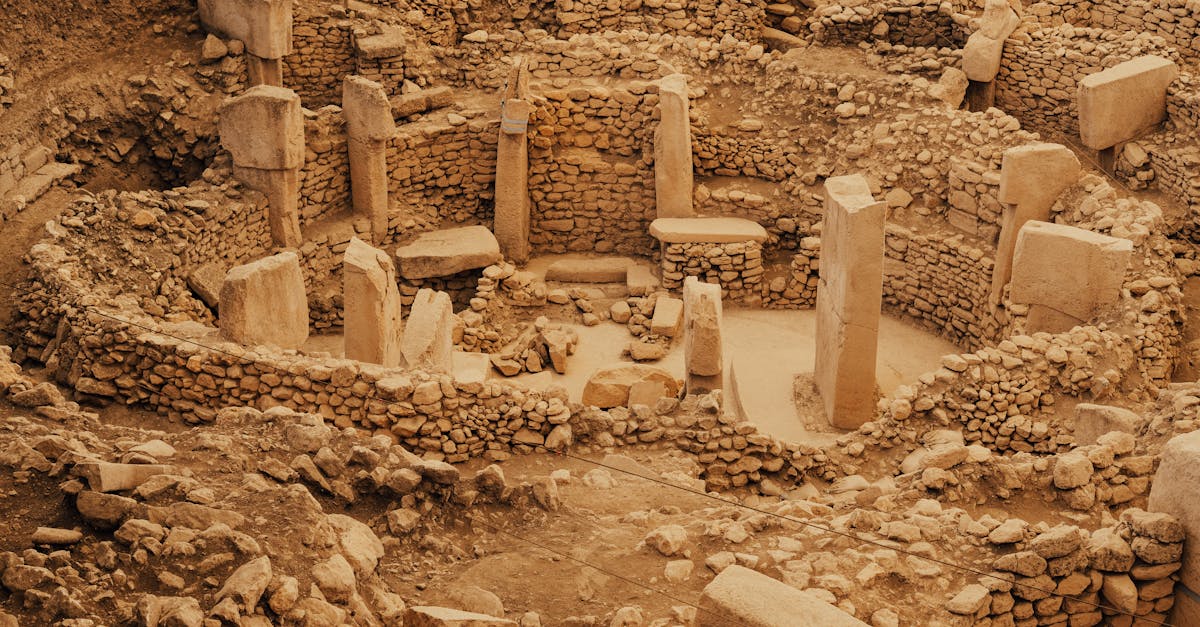
Just a short train ride from Seville lies Italica, the birthplace of emperors Trajan and Hadrian, where ancient Roman grandeur remains remarkably preserved beneath the Andalusian sun. Unlike the more crowded sites nearby, this archaeological gem invites you to wander through its vast amphitheater, once larger than the Colosseum, and trace the intricate mosaic floors that still sparkle in the restored villas. As you explore these hushed ruins, imagine the bustling streets of the 2nd century, feeling the weight of history in every stone while discovering how this forgotten city served as the cradle for Rome's most influential leaders.
Venturing deeper into Córdoba reveals a different kind of hidden treasure beyond the famous Mezquita: the labyrinthine quarters of the Judería and the quiet corners of the old Jewish quarter that often escape the main tourist trails. Here, narrow white-washed alleys wind past secret courtyards filled with orange blossoms, leading to small, family-run taverns serving traditional salmorejo and historic synagogues whispering tales of convivencia. These lesser-known neighborhoods offer an intimate glimpse into daily life centuries ago, allowing visitors to step away from the crowds and immerse themselves in the authentic, layered soul of Andalusia's cultural heritage.
 This photo was taken by Sami Aksu on Pexels.