Cultural Immersion: Learning Spanish While Traveling Through Historic Towns
 This photo was taken by Erik Mclean on Pexels.
Bienvenidos, explorers! Imagine waking up in a town where the air smells of roasted coffee and ancient stone, ready to trade your tourist phrases for genuine conversations with locals who have lived here for generations. Spain is not just a destination to be seen; it is a living, breathing tapestry best experienced when woven into your own journey through language. In this post, we invite you to step off the beaten path and into the heart of our historic towns, from the sun-drenched plazas of Andalusia to the misty squares of Castile. Whether you are ordering your morning tapas, listening to centuries-old folklore by a fire, or deciphering the unique rhythms of regional dialects, learning Spanish here transforms a simple vacation into a profound cultural immersion. Let's unlock the secrets hidden behind every cobblestone and discover how mastering the language opens doors that no guidebook ever could.
Living the Language: Daily Conversations in Cobblestone Streets
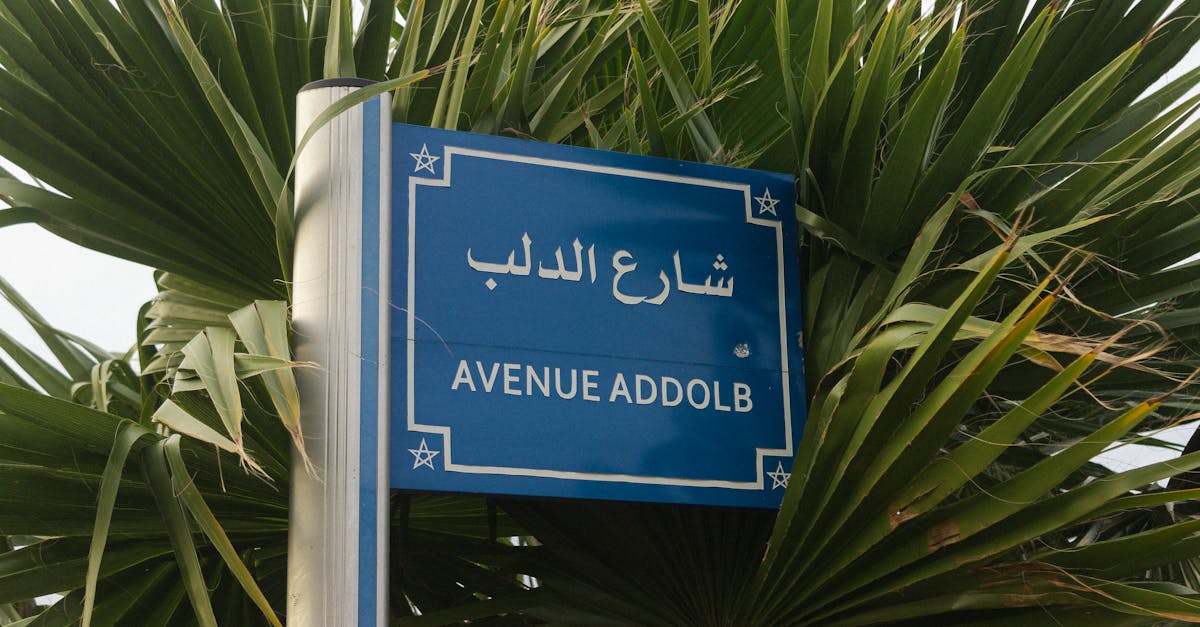
Imagine navigating the winding, moss-draped cobblestone streets of a historic town like Cuenca or Ronda, where every turn reveals a new opportunity to practice your Spanish. Here, language learning transcends textbooks; it happens as you haggle for fresh olives in a sunlit plaza, ask a local baker for the day's special pan de cristal, or share a laugh with a street musician over a shared melody. The rhythmic clatter of your footsteps against ancient stones sets a natural pace for conversation, encouraging you to slow down and listen more intently to the melodic lilt of Castilian Spanish spoken by residents who take pride in their heritage.
In these atmospheric settings, fear of making mistakes melts away, replaced by the genuine connection that comes from attempting to bridge cultural gaps through words. You might find yourself explaining your travel plans to an elderly shopkeeper using broken grammar, only to be met with warm encouragement and patient corrections that deepen your understanding of regional idioms and colloquialisms unique to each village. This immersive experience transforms the entire town into a living classroom, where the history etched into the architecture becomes the backdrop for your most memorable linguistic breakthroughs, proving that the best way to truly know Spain is to speak its heart aloud on its oldest streets.
 This photo was taken by Hassan Bouamoud on Pexels.
From Tapas to Tales: Local Stories and Folklore
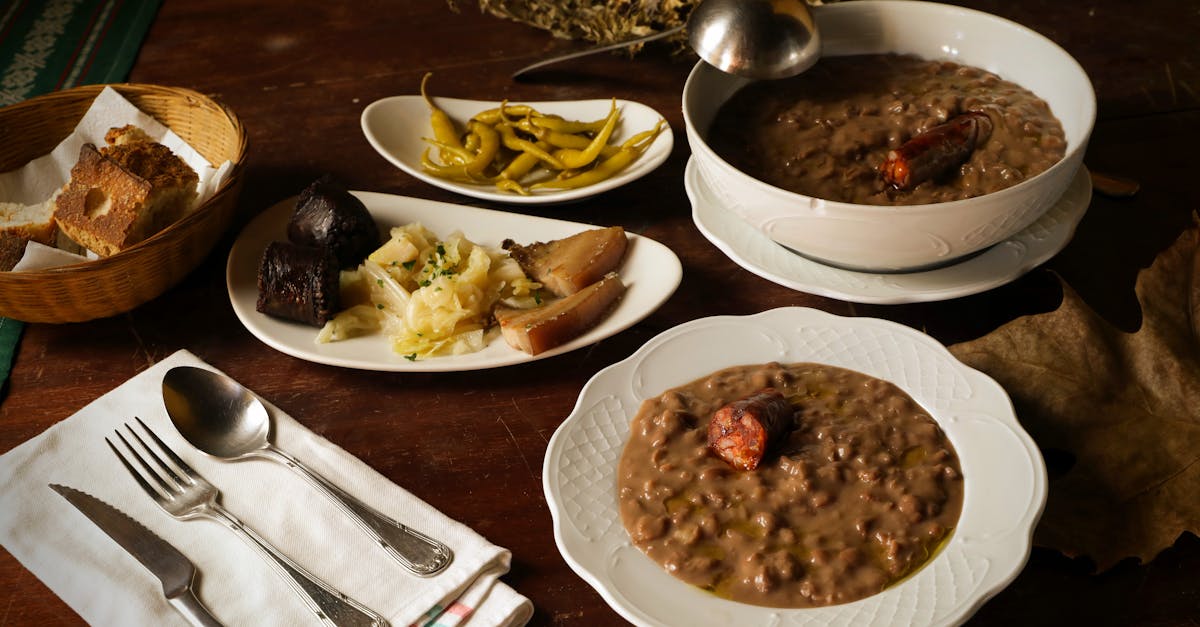
Immerse yourself in the vibrant tapestry of Spanish history by wandering through the cobblestone streets of historic towns like Toledo, Córdoba, or Ronda, where every stone seems to whisper a legend. As you sip your first glass of local wine or bite into a crispy croqueta, listen closely to the tales shared by locals over tapas; these stories often blend historical facts with mythical elements, recounting tales of Moorish kings, hidden treasures, and legendary heroes who once walked these very paths. Engaging in conversation about these folklore narratives not only deepens your appreciation for the region's complex past but also provides an authentic context for learning Spanish, allowing you to absorb idiomatic expressions and regional dialects that textbooks simply cannot capture.
The true magic of cultural immersion lies in the connection between food, language, and storytelling, creating a sensory experience that lingers long after your trip ends. In the evening plazas, as the sun sets behind ancient cathedrals, you will find that asking "¿Qué historia hay detrás de este plato?" (What is the story behind this dish?) opens doors to generations-old traditions passed down from grandmother to grandchild. These interactions transform your language practice from a mere academic exercise into a living dialogue, where you learn not just how to speak, but how to think and feel like a local. By embracing these local stories, you become part of the narrative, gaining a profound understanding of the Spanish soul while mastering the rhythm and warmth of the language itself.
 This photo was taken by José Antonio Otegui Auzmendi on Pexels.
Beyond the Textbook: Mastering Dialects in Andalusia and Castile
Stepping into the sun-drenched streets of Andalusia, you will quickly discover that Spanish here is far more than a set of textbook rules; it is a rhythmic dance of vowels and a warm, rolling cadence that defines the soul of the south. In historic towns like Granada or Córdoba, locals often soften their 's' sounds and drop the final consonants, creating a melodic flow that invites conversation rather than demanding perfection. As you navigate the bustling plazas of Seville, listening to the rapid-fire exchanges in local cafés will reveal a rich tapestry of slang and idioms unique to this region, transforming your language learning from a rigid academic exercise into an authentic cultural immersion where every greeting feels like a personal invitation.
In stark yet complementary contrast, venturing north to the crisp air of Castile offers a masterclass in the standard pronunciation often taught in classrooms, yet with its own distinct character rooted in history. Here, in the stone-walled corridors of Salamanca or the ancient squares of Toledo, the language retains a certain formality and precision that reflects centuries of royal court influence, making it an ideal setting for refining your grammar while exploring deep historical narratives. While the dialect may feel more reserved compared to the exuberance of the south, the clarity of speech allows travelers to engage in profound discussions about art, philosophy, and history, proving that true mastery involves appreciating how regional identity shapes the very way we speak across Spain's diverse landscape.
This photo was taken by Erik Mclean on Pexels.