Cultural Etiquette: How to Blend In Like a Local
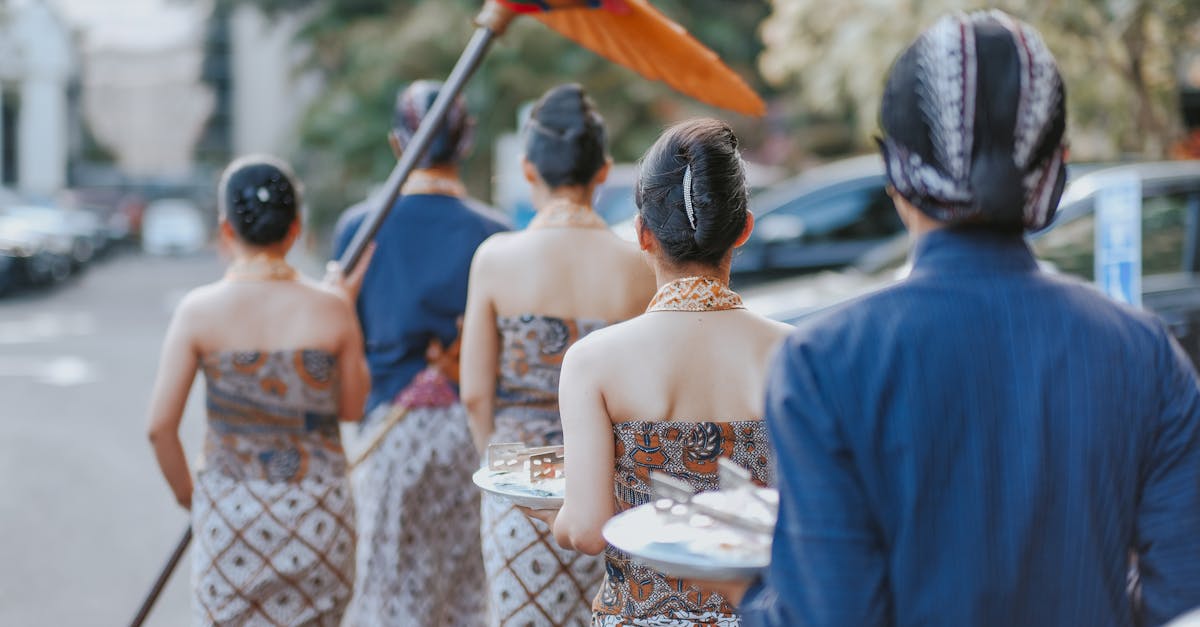 This photo was taken by Renda Eko Riyadi on Pexels.
Welcome to the land of vibrant plazas, golden sunsets, and an infectious zest for life! As your local guide, I know that visiting Spain is about more than just ticking off famous landmarks; it's about immersing yourself in a culture where relationships are cherished and every moment is savored. However, navigating this beautiful country can sometimes feel like dancing without knowing the steps if you aren't familiar with the unwritten rules. In this post, we'll unlock the secrets to blending in seamlessly, from mastering the warm art of the greeting and respecting the sacred rhythm of siesta time to understanding the golden rules of dining and embracing our effortless style. Get ready to leave the tourist behind and experience Spain as a true local would.
Mastering the Art of the Greeting
Stepping into a Spanish shop, café, or street corner begins with the unspoken rule of acknowledging everyone present before making your request. Unlike in some cultures where silence is golden, here a simple "Buenos días," "Buenas tardes," or "Buenas noches" acts as your social passport; skipping this step can be perceived as abrupt or even rude. When greeting someone you know well, the ritual often involves two kisses on the cheek, starting with the left, though it is perfectly acceptable for visitors to simply offer a warm handshake and a smile until invited otherwise. Remember that maintaining eye contact during this exchange signals sincerity and respect, instantly transforming a transactional interaction into a genuine human connection.
As you navigate different regions, keep in mind that the rhythm of greetings shifts slightly from the bustling energy of Madrid to the relaxed pace of Andalusia, yet the underlying warmth remains constant. In smaller villages or family-owned businesses, taking an extra moment to ask "¿Cómo estás?" (How are you?) and genuinely waiting for the answer before moving to business matters is considered good manners. This pause allows locals to see you not just as a tourist passing through, but as a guest who values their time and company. By mastering these small verbal courtesies, you demonstrate cultural sensitivity that will open doors, soften service interactions, and help you blend seamlessly into the vibrant tapestry of daily Spanish life.
 This photo was taken by alleksana on Pexels.
The Golden Rules of Dining and Siesta Time
In Spain, dining is a deeply social ritual that demands patience and presence; the golden rule is to never rush your meal, as locals often linger over tapas for hours, savoring each bite and engaging in lively conversation. Remember that lunch typically occurs between 2:00 PM and 4:00 PM, followed by the cherished siesta, during which many shops close and streets quiet down so families can rest or enjoy a leisurely stroll. If you visit a restaurant at peak dinner time (usually after 9:00 PM), be prepared for a vibrant atmosphere where the first course might arrive while you are still finishing your drinks, and tipping is appreciated but not obligatory—rounding up the bill or leaving small change is perfectly acceptable.
Embracing the rhythm of the day also means respecting the siesta culture, which isn't just about sleeping but about recharging before the evening comes alive with vermouth hour and late-night gatherings. While tourists often struggle with this shift, blending in like a local involves adjusting your schedule to eat later than you might be used to and avoiding loud conversations or hurried business in the afternoon when the pace slows. By aligning your energy with the Spanish tempo, you show respect for their lifestyle and unlock a more authentic experience, from finding open bakeries serving fresh churros in the late afternoon to enjoying the city's true soul under the stars after midnight.
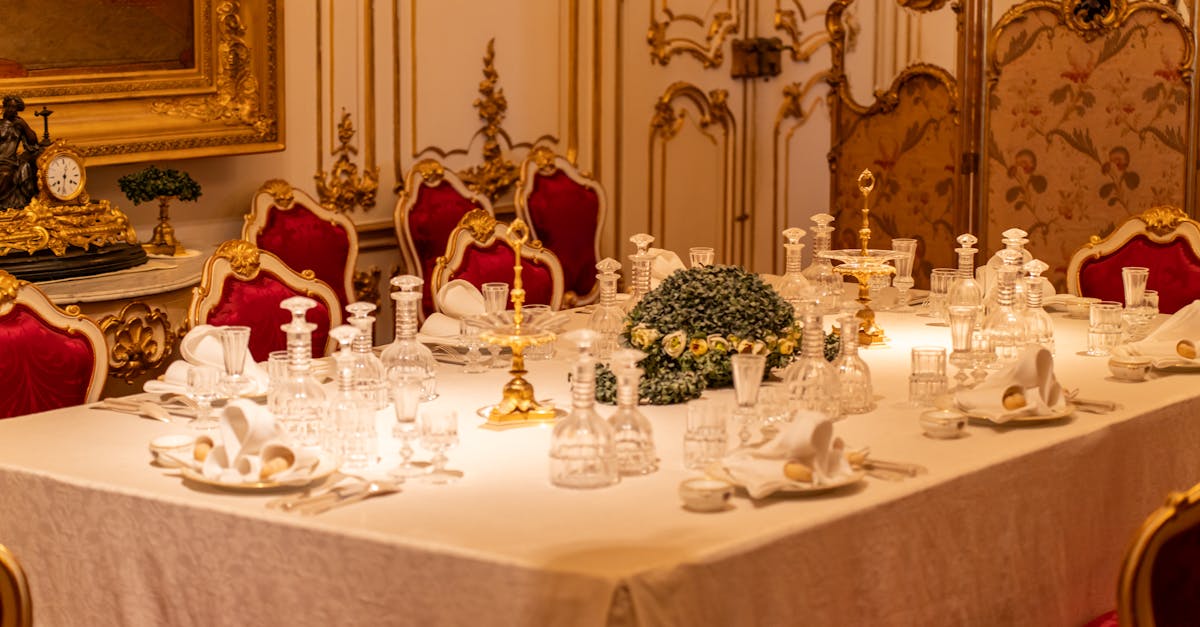 This photo was taken by Vladimir Srajber on Pexels.
Dressing for Success: Style with Spanish Flair
When exploring our vibrant streets, remember that Spanish style is less about flashy logos and more about impeccable tailoring and understated elegance. Locals tend to dress slightly more formally than tourists, even for casual outings; think crisp linen shirts, well-fitted trousers, or stylish dresses paired with quality leather shoes rather than sneakers. Whether you are visiting a bustling market in Valencia or enjoying an evening tapas in Seville, opting for smart-casual attire shows respect for the culture and helps you seamlessly blend into the sophisticated rhythm of daily life.
As the sun sets, the fashion shifts toward a touch of drama and sophistication, especially when heading out for dinner or nightlife. Spaniards often save their best outfits for the evening, embracing bold colors, elegant accessories, and a polished look that exudes confidence. It is worth noting that many restaurants and clubs maintain a strict "no beachwear" policy after dark, so swapping your flip-flops for loafers or heels is essential. By adopting this approach to dressing, you not only honor local customs but also enhance your own experience, allowing you to feel like part of the community rather than just a visitor.
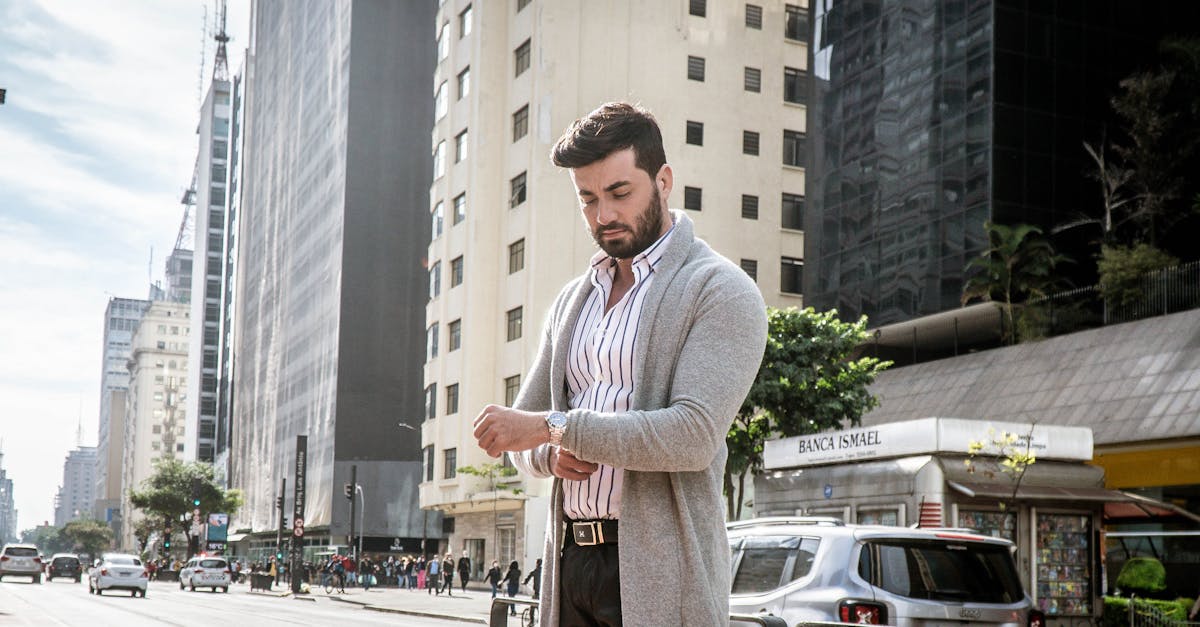 This photo was taken by Cadu Carvalho on Pexels.