Cultural Etiquette: Essential Tips for Respecting Spanish Traditions
 This photo was taken by Erik Mclean on Pexels.
Welcome to the heart of Spain, a land where history breathes through every cobblestone and life pulses to a rhythm all its own. As you embark on your journey across our vibrant regions, understanding the subtle nuances of local customs is just as important as visiting the famous landmarks. This guide is designed to help you navigate Spanish social dynamics with grace and authenticity, ensuring your travels are not only memorable but deeply respectful. From the warm intricacies of daily greetings to the cherished traditions surrounding our meals and midday breaks, we invite you to discover how embracing these cultural etiquettes will open doors to genuine connections and enrich your experience in our beautiful country.
The Art of the Greeting: More Than Just a 'Hola'
In Spain, a simple "hola" often feels insufficient when meeting someone for the first time or reuniting with an acquaintance; the true art of greeting lies in the warmth and physical connection that follows. Unlike the brief handshakes common in many Northern European or North American cultures, Spanish greetings are typically more intimate and expressive. It is customary to offer two kisses on the cheek, starting with the left, even among friends who have known each other for years, while men usually greet male friends with a firm handshake or a warm embrace if they are close. This ritual is not merely a formality but a genuine expression of hospitality and trust, signaling that you are welcome into their personal space and social circle.
The rhythm of these interactions also extends to how you address people, where respect and familiarity must be balanced carefully depending on the setting. In formal situations, such as business meetings or dining in upscale establishments, addressing someone by their title and surname (like "Señor García" or "Doña López") is essential until invited to use their first name. However, once that invitation is granted, the conversation often flows with a relaxed ease that can catch visitors off guard. Mastering this nuance shows that you value local customs and are eager to build authentic connections, transforming a standard tourist visit into a culturally immersive experience that resonates with the soul of the community.
 This photo was taken by Matej on Pexels.
Mastering Mealtime Manners and Social Dining
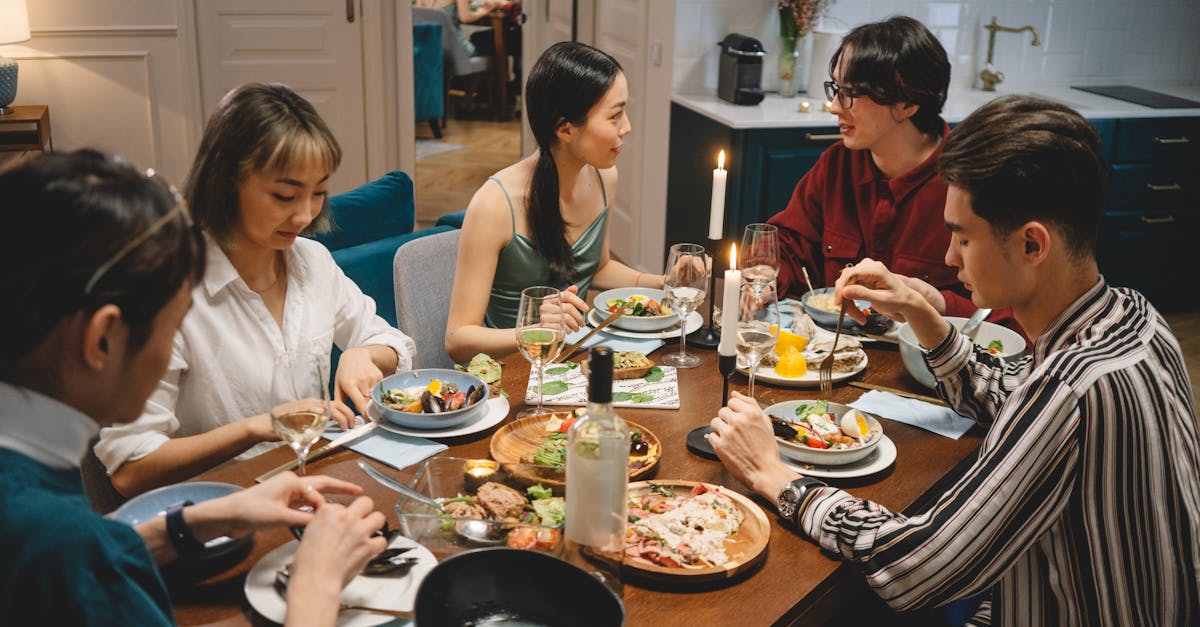
In Spain, dining is far more than a mere refueling stop; it is a cherished social ritual that often extends well into the evening hours. When you are invited to a Spanish home or gather at a bustling tapas bar, remember that meals are designed for connection and conversation rather than efficiency. It is customary to wait until everyone has been served before starting to eat, and keeping your hands visible on the table, with wrists resting gently on the edge, is a sign of respect and engagement. Unlike in some cultures where finishing every bite might be expected, leaving a small amount of food on your plate can subtly signal that you are satisfied, though this varies by region and context.
The rhythm of the meal itself follows a unique cadence, particularly when enjoying the traditional multi-course lunch or late dinner. You will often find that courses are served sequentially, and rushing through them is considered impolite; instead, savor each dish as the host or fellow diners share stories and laughter. If you are dining out, note that tipping is not obligatory in the same way it is in North America, but leaving small change or rounding up the bill is a polite gesture for good service. Most importantly, embrace the "sobremesa," the leisurely period spent chatting at the table after the food has been cleared, as this time is often considered the most valuable part of the entire dining experience.
 This photo was taken by cottonbro studio on Pexels.
Embracing the Siesta and Respect for Quiet Hours
Embracing the siesta is not merely about taking a nap; it is a cherished rhythm deeply woven into the fabric of daily Spanish life, particularly in smaller towns and during the scorching summer months. Traditionally, businesses close between 2:00 PM and 5:00 PM to allow families to enjoy a leisurely lunch and rest away from the midday heat, so visitors should plan their sightseeing accordingly by reserving these hours for museum visits or café terraces rather than expecting shops to be open. While modern cities like Madrid and Barcelona have adapted this schedule slightly with some establishments staying open later, the spirit of the afternoon pause remains a vital cultural norm that invites travelers to slow down, savor a long meal, and appreciate the unhurried pace of life that defines the Spanish soul.
Closely linked to this tradition is the profound respect for quiet hours, known locally as "horas de silencio," which typically begin at night after 10:00 PM and extend until early morning. Spaniards value their evenings as a time for intimate family gatherings and relaxation, making loud conversations, shouting on balconies, or excessive noise in residential areas considered highly offensive and disruptive. As a visitor, you will find that streets naturally empty out and become hushed during these times, and adhering to this unspoken rule demonstrates your genuine appreciation for local customs; simply put, keeping your voice down and respecting the tranquility of the neighborhood ensures you are welcomed warmly by the community and helps preserve the serene atmosphere that makes Spain such a delightful destination.
 This photo was taken by Andrea Piacquadio on Pexels.