Cultural Etiquette: Dos and Don'ts for Tourists in Spain
 This photo was taken by Erik Mclean on Pexels.
Welcome to the land of vibrant festivals, world-class art, and endless sunshine! As your local guide, I am thrilled to help you navigate the rich tapestry of Spanish culture. However, true immersion goes beyond visiting famous landmarks; it involves understanding the subtle social cues that make interactions with locals so warm and memorable. In this post, we will explore essential cultural etiquette to ensure your journey is seamless and respectful. From mastering the art of the Spanish greeting to navigating the unique rhythm of dining delights and respecting siesta hours, you will discover the dos and don'ts that transform a good trip into an unforgettable experience. Let's dive in and embrace the Spanish way!
Mastering the Art of the Spanish Greeting
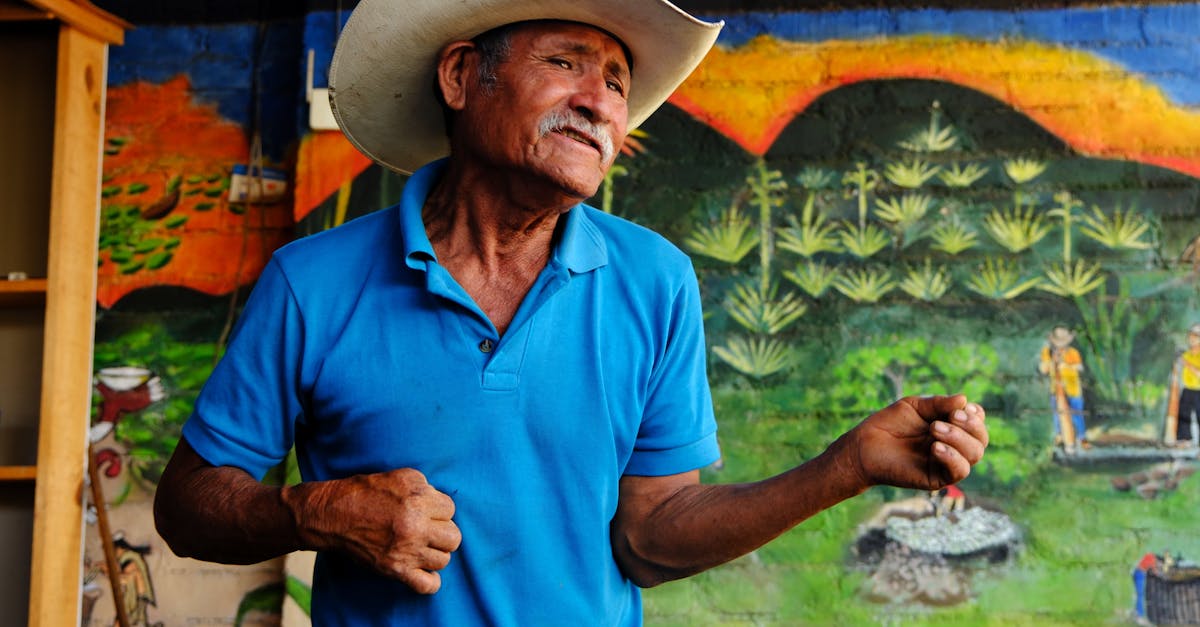
Welcome to Spain, where the warmth of a greeting sets the tone for your entire journey. Unlike the quick "hello" common in many other cultures, Spanish greetings are an intimate ritual that bridges the gap between strangers and friends. When you meet someone, expect two kisses on the cheek, starting with the left, regardless of gender, though this is primarily observed among women or between a man and a woman; men typically greet each other with a firm handshake or a brief hug depending on their level of familiarity. It is crucial to maintain eye contact and offer a genuine smile, as looking away can be interpreted as disinterest or rudeness. Remember to use formal titles like "Señor" or "Señora" until invited to do otherwise, especially when addressing elders or in professional settings, as respect for hierarchy is deeply embedded in social interactions.
Navigating the nuances of time and conversation during greetings is equally vital for cultural harmony. In Spain, punctuality is often viewed with flexibility, particularly for social gatherings, but being late to a business meeting without notice is frowned upon. Once the initial greetings are exchanged, avoid rushing into business or asking personal questions immediately; instead, engage in el chisme, the pleasant exchange of pleasantries about family, health, or local events, which builds the necessary rapport before any serious discussion. Never skip the "goodbye" ritual either; leaving abruptly without saying "hasta luego" (see you later) or "adiós" is considered quite impolite. By taking the time to master these small gestures, you not only show respect for local customs but also open doors to richer, more authentic experiences across our beautiful country.
 This photo was taken by Ricardo Olvera on Pexels.
Dining Delights: Napkin Rules and Meal Times
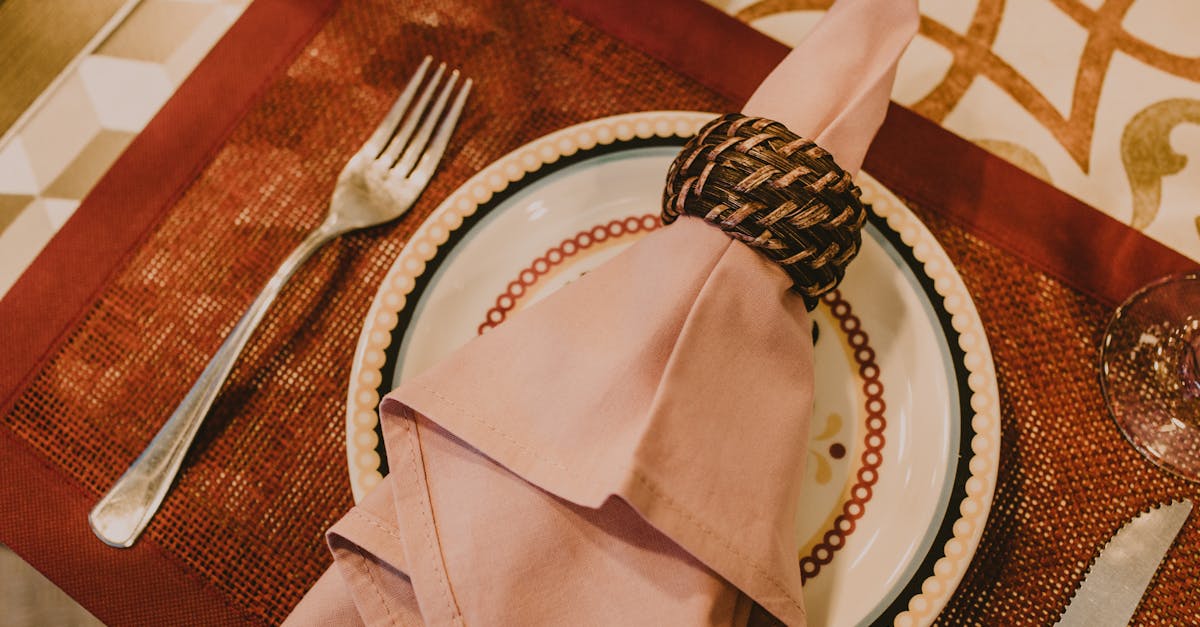
When dining in Spain, the table setting often reveals a subtle but important rule regarding napkins: wait until everyone at your table has been served before placing yours on your lap. Unlike some cultures where you might unfold it immediately upon sitting, Spanish etiquette suggests patience and unity during the start of the meal. Throughout the dinner, keep the napkin loosely folded on your lap; if you need to leave the table temporarily, place it neatly on the back of your chair rather than on the table, as putting it there can signal that you have finished eating entirely.
Meal times in Spain operate on a rhythm quite different from many other countries, so planning your day around these cultural windows is essential for an authentic experience. Lunch (la comida) is the main meal of the day, typically enjoyed between 2:00 PM and 3:30 PM, while dinner (la cena) is a lighter affair that rarely begins before 9:00 PM or even later in the summer months. Attempting to eat at a restaurant at 6:00 PM will likely result in closed kitchens or empty dining rooms, so embrace the local schedule by enjoying a light tapas snack mid-afternoon and saving your full meal for the evening when the city comes alive with social dining.
 This photo was taken by Jonathan Borba on Pexels.
Respecting Siesta and Local Quiet Hours
Understanding the rhythm of daily life in Spain is essential for any traveler wishing to blend in seamlessly, particularly regarding the traditional siesta. While this midday break has become less universal in bustling city centers and large corporations, it remains a cherished custom in many smaller towns and family-owned businesses, where shops often close between 2:00 PM and 5:00 PM. During these hours, you should avoid knocking on doors or making loud phone calls in residential neighborhoods, as locals are likely resting or enjoying a leisurely lunch with their families. Embracing this slower pace not only shows respect for local traditions but also allows you to experience the authentic, unhurried lifestyle that defines Spanish culture.
Beyond the afternoon lull, respecting local quiet hours is crucial for maintaining good relations with your hosts. Most municipalities enforce strict regulations known as "horario de silencio," typically beginning at 10:00 PM or midnight and lasting until early morning. During these times, noise levels must be kept to an absolute minimum; this means avoiding loud conversations on balconies, playing music outdoors, or slamming car doors. Even if you are celebrating a special occasion, remember that the peace of the neighborhood takes precedence over personal festivities. By adhering to these guidelines, you ensure that your stay is pleasant for everyone and demonstrate that you value the community's right to rest and relaxation.
 This photo was taken by DΛVΞ GΛRCIΛ on Pexels.