Cultural Etiquette 101: Do's and Don'ts for First-Time Visitors to Spain
 This photo was taken by Jonathan Borba on Pexels.
Welcome to the land of vibrant flamenco, golden sunsets, and a lifestyle that celebrates every moment! As your local guide, I am thrilled to welcome you to Spain, a country where history breathes through every cobblestone street and passion flows in every conversation. However, immersing yourself fully in this incredible culture goes beyond simply visiting famous landmarks; it requires understanding the subtle social rhythms that make life here so special. Whether you are savoring tapas in Seville or strolling through Barcelona's Gothic Quarter, knowing the unwritten rules of engagement will transform your trip from a simple vacation into a genuine connection with the Spanish way of life.
In this guide, we will walk you through the essential nuances of daily interactions, from the warm embrace of a proper greeting to the art of timing your meals like a true local. We will also shed light on respecting the cherished traditions and the peaceful quiet hours that allow neighborhoods to rest after a lively day. By mastering these cultural etiquettes, you'll not only avoid common faux pas but also open doors to authentic experiences and friendly smiles from locals who appreciate visitors who take the time to understand their customs. Let's dive in and ensure your first visit to Spain is as memorable for its cultural insight as it is for its beauty.
Mastering the Art of the Spanish Greeting
Mastering the art of the Spanish greeting is your first step toward weaving yourself into the local fabric, as these interactions are far more than mere formalities; they are a warm invitation to connect. Unlike the quick "hello" common in many other cultures, expect a genuine exchange that often involves two kisses on the cheek (starting with the left) between friends and acquaintances of the same or opposite sexes, though a firm handshake remains appropriate for initial business meetings or when meeting someone significantly older. Remember to always use "Buenos días," "Buenas tardes," or "Buenas noches" before launching into conversation, and never rush this ritual, as skipping it can be perceived as rude or distant.
Equally important is knowing how to address people respectfully, particularly if you are unsure of their familiarity level. When in doubt, default to the polite form of "you"—"usted"—especially when speaking to elders, professionals, or strangers in service settings, rather than the informal "tú." If you make an effort to learn basic phrases like "Mucho gusto" (nice to meet you) or simply ask "¿Cómo está usted?" (how are you?), locals will often respond with delight and switch to the informal "tú" themselves, signaling that you have successfully broken the ice. By embracing these nuances, you show respect for their customs and immediately transform from a distant observer into a welcomed guest.
 This photo was taken by Los Muertos Crew on Pexels.
Dining Delights: Meal Times and Tipping Norms
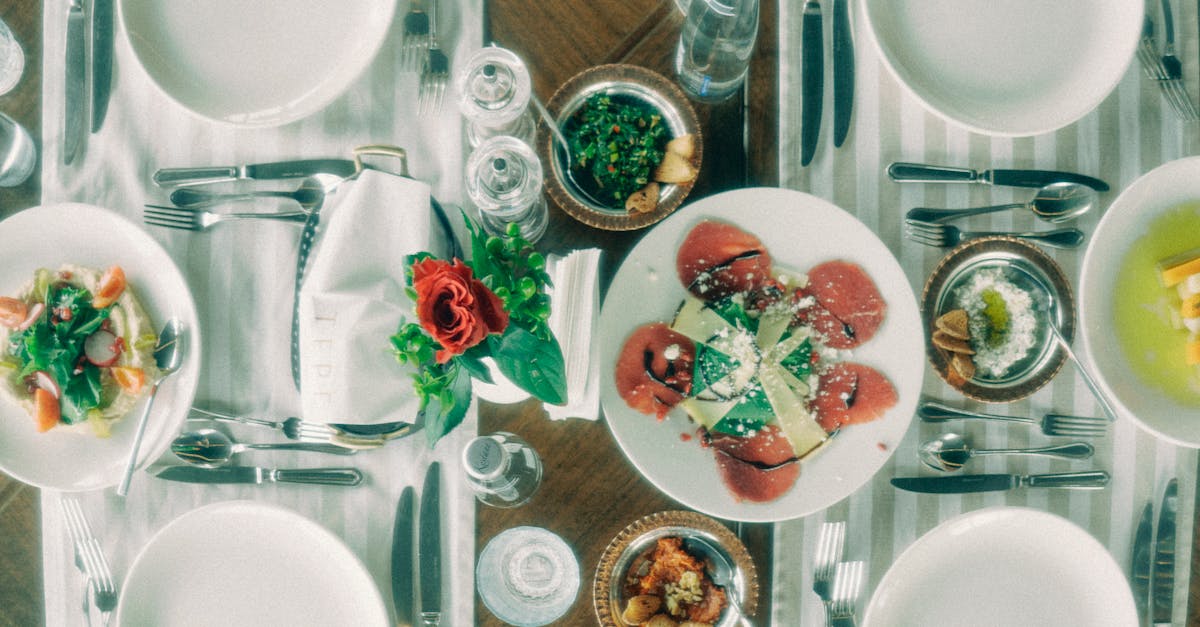
In Spain, dining is a social ritual that defies the early schedules common in many other countries, so prepare your stomach for a late-night feast. Lunch is typically the main meal of the day, served between 2:00 PM and 3:30 PM, while dinner rarely begins before 9:00 PM and often extends past midnight, especially on weekends. When you finally sit down at a restaurant, remember that rushing is considered rude; locals linger over their food and conversation, so plan to spend at least an hour or two enjoying your meal without feeling pressured by the clock. If you find yourself hungry earlier than these hours, don't worry, as "tapas" bars offer a perfect solution with small plates available throughout the afternoon.
Tipping etiquette in Spain is also quite distinct from what visitors might expect from North America or Northern Europe. Service charges are generally included in the bill by law, so leaving a large percentage tip is neither expected nor customary. Instead, tipping is a gesture of appreciation for exceptional service rather than an obligation. It is perfectly acceptable to simply round up the bill to the nearest euro or leave a few coins on the table after paying. For instance, if your bill is €18.50, leaving €20 is a generous and appreciated gesture, but walking away without leaving anything extra will not be seen as offensive unless the service was truly poor.
 This photo was taken by Eliza Ari on Pexels.
Respecting Local Traditions and Quiet Hours
Embracing local customs is the cornerstone of a respectful journey through Spain, particularly when it comes to daily rhythms and social interactions. While Spaniards are renowned for their warmth, they place a high value on personal space and community harmony; this means avoiding loud conversations in public transport or residential streets during midday hours, known as "la hora de la siesta," when many businesses close and families rest. Furthermore, understanding the significance of traditional festivals, from the fiery run of San Fermín to the solemn processions of Semana Santa, requires an attitude of observation and reverence rather than casual interference. Always ask before photographing individuals, especially during religious events, and dress modestly when entering churches to honor the spiritual atmosphere that permeates these sacred spaces.
Perhaps the most critical etiquette rule for first-time visitors involves adhering to the strict cultural concept of quiet hours, which typically begin after 10:00 PM and last until early morning. In residential neighborhoods, noise ordinances are taken very seriously, and keeping your voice down, avoiding heavy footsteps, and refraining from playing music outdoors after dark is not just polite—it is often legally enforced to ensure neighbors can sleep. This respect for tranquility extends to dining schedules as well; while late dinners are common, arriving at a restaurant at 6:00 PM might leave you waiting for tables that only open around 9:00 PM, so aligning your schedule with local habits prevents unnecessary disruption. By honoring these quiet periods and social norms, you demonstrate a genuine appreciation for the Spanish way of life, ensuring your visit is welcomed with open arms by the communities you explore.
 This photo was taken by Bijen Amatya on Pexels.