Culinary Secrets: Mastering the Art of Paella and Gazpacho at Home
 This photo was taken by Los Muertos Crew on Pexels.
Bienvenidos, amigos! As your local guide through the vibrant tapestry of Spanish culture, I invite you to leave the bustling streets of Barcelona or the sun-drenched plazas of Seville and step into the heart of our home: the kitchen. There is a profound magic in Spanish cuisine that goes far beyond simply feeding the body; it is about gathering loved ones, sharing stories, and celebrating the bounty of our land. In this post, we will unlock the culinary secrets behind two of Spain's most iconic treasures: the smoky, saffron-kissed soul of Paella and the refreshing, garden-fresh essence of Gazpacho. Whether you are mastering the delicate art of selecting the perfect Bomba rice and paellera or learning how to chill your gazpacho to absolute perfection, these recipes are designed to bring the authentic taste of Spain directly to your table. Get ready to pair your feast with the finest local wines and discover how tradition can transform your next meal into an unforgettable experience.
The Golden Rule: Choosing the Right Rice and Pan for Authentic Paella
At the heart of any authentic paella lies a symbiotic relationship between the rice and the vessel, a partnership that defines the dish's soul. You must seek out short-grain Spanish varieties like Bomba or Calasparra, which are renowned for their ability to absorb up to three times their volume in broth without losing their firm texture, ensuring every grain remains distinct rather than mushy. Equally critical is the choice of pan: a wide, shallow, round paellera with sloping sides is non-negotiable, as it maximizes surface area to allow moisture to evaporate quickly and facilitates the formation of the coveted socarrat, that crispy, caramelized layer of rice at the bottom that offers a delightful crunch.
While modern kitchens often feature non-stick coatings, traditionalists insist on carbon steel or uncoated iron pans seasoned over years of use, as these materials conduct heat evenly and withstand the high temperatures needed to develop that signature crust. When cooking, remember that the pan should be large enough so the rice forms a single layer; overcrowding leads to steaming instead of frying, resulting in a soggy texture that betrays the dish's origins. By respecting these culinary laws and selecting ingredients with the care of a local grandmother from Valencia, you transform simple components into a masterpiece that captures the true spirit of Spain's sun-drenched coastlines right in your own kitchen.
 This photo was taken by Joshua Miranda on Pexels.
From Garden to Bowl: Crafting the Perfectly Chilled Gazpacho
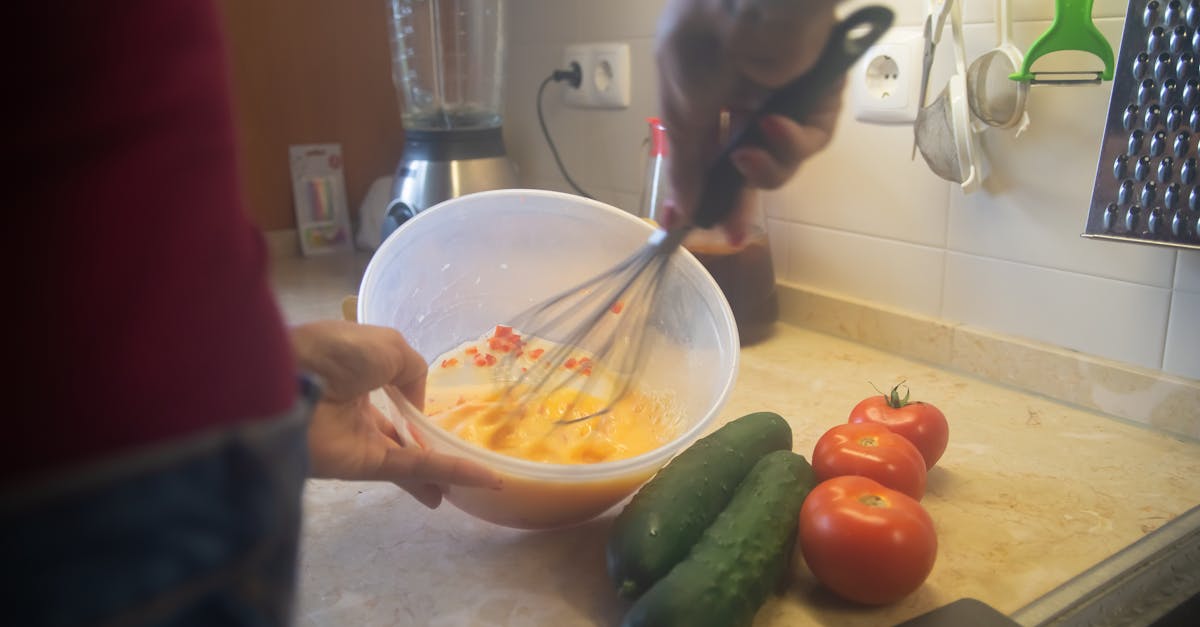
Imagine stepping into a sun-drenched Andalusian courtyard in July, where the air is thick with the scent of ripe tomatoes and basil, setting the stage for Spain's most refreshing icon: gazpacho. Unlike the warm, saffron-infused rice that defines paella, this cold soup is a celebration of summer's bounty, crafted by blending the finest vine-ripened tomatoes, crisp cucumbers, pungent garlic, and sweet peppers until they achieve a velvety texture. The secret to an authentic bowl lies not just in the ingredients, but in the patience to chill them thoroughly; traditionally, the mixture rests in a clay jar buried in ice or refrigerated overnight, allowing the flavors to marry into a harmonious, electric broth that instantly cools the spirit on the hottest days.
To serve this culinary masterpiece, the preparation extends beyond mere blending to the artful arrangement of garnishes that add both color and crunch to the silky base. A perfect presentation features a drizzle of high-quality extra virgin olive oil swirled across the surface, accompanied by a scattering of finely diced fresh vegetables like bell peppers and onions, alongside crunchy croutons made from stale country bread. Whether enjoyed as a light starter or a main course on a balmy evening, mastering the balance of acidity from sherry vinegar and the richness of the oil transforms simple garden produce into a sophisticated dish that captures the very essence of Spanish hospitality and the joy of eating outdoors.
 This photo was taken by Kampus Production on Pexels.
Pairing Perfection: Traditional Sides and Wine Pairings for Your Spanish Feast
Completing your Spanish feast begins with selecting the perfect accompaniments that honor regional traditions while elevating the star dishes. For a vibrant paella, especially one featuring seafood or rabbit, consider serving a crisp, garlicky ensalada de tomate or simple grilled vegetables to cut through the richness of the saffron-infused rice; these fresh elements provide a necessary palate cleanser between bites. If you are leaning towards a hearty meat-based paella, a side of alioli or roasted peppers adds a smoky depth that complements the savory socarrat crust at the bottom of the pan.
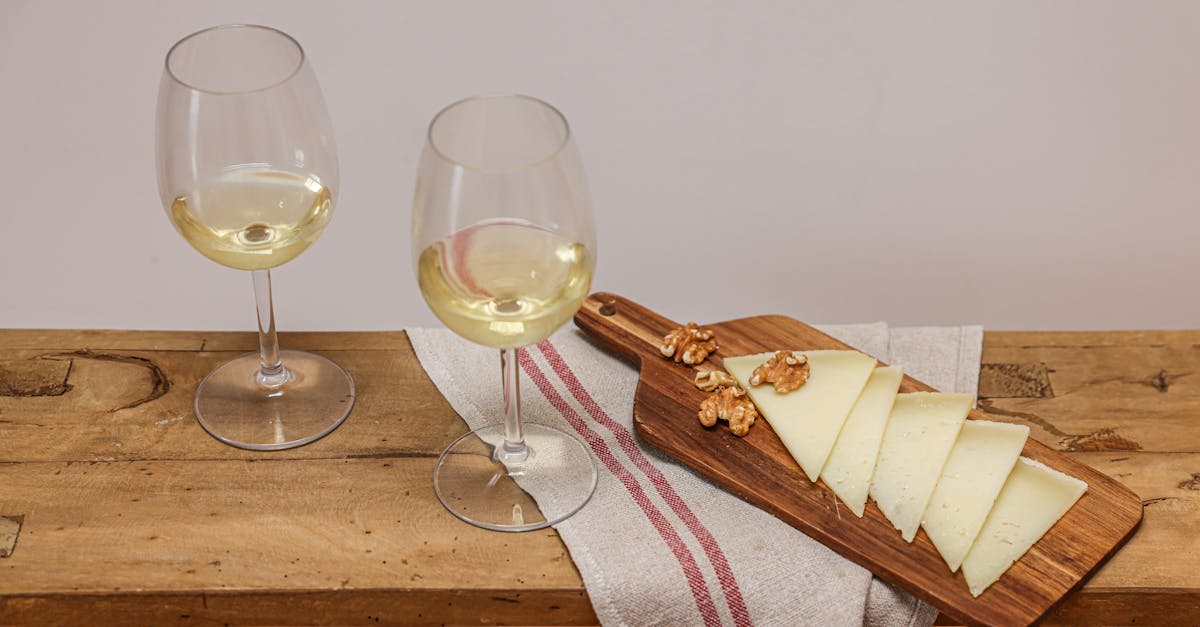
When it comes to wine, the golden rule in Spain is to let the local terroir guide your glass selection. A young, unoaked Albariño from Rías Baixas offers the zesty acidity needed to balance the delicate flavors of a seafood paella or a refreshing gazpacho, ensuring every sip feels as light as a summer breeze. Conversely, if your table features a robust chicken and chorizo paella, a Crianza Rioja with its notes of vanilla and red fruit will stand up beautifully to the smokiness of the spices, creating a harmonious symphony of flavors that captures the true spirit of a Spanish dining experience.
 This photo was taken by Cup of Couple on Pexels.