Culinary Secrets: Learning to Cook Paella and Other Spanish Classics
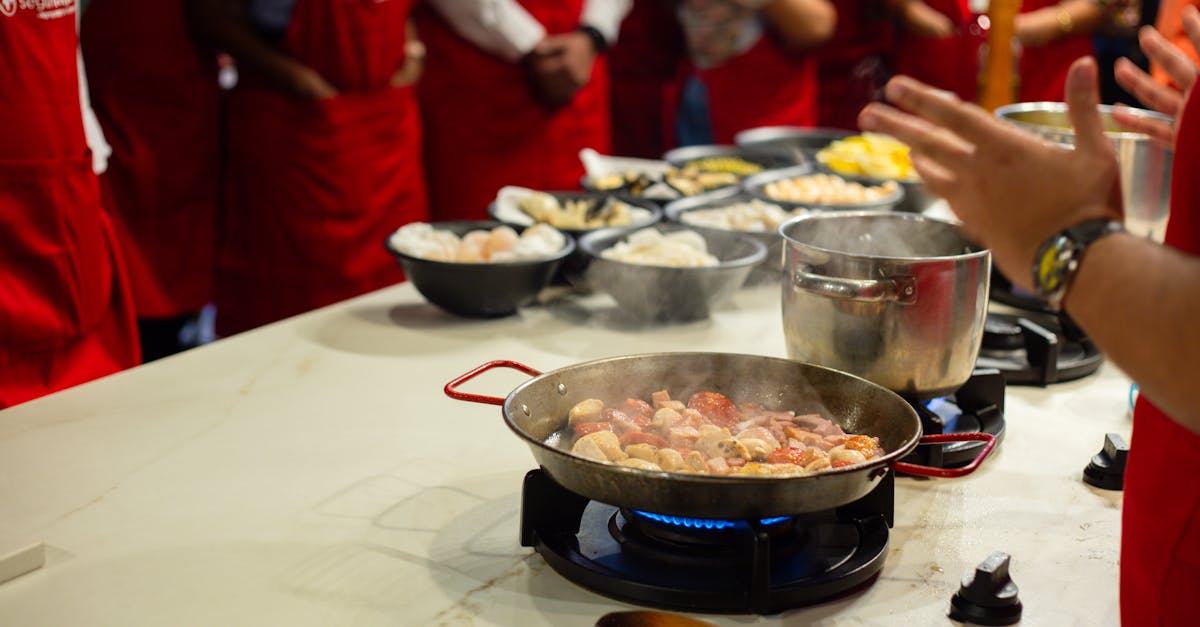 This photo was taken by Nisy Ripoll on Pexels.
Welcome to the heart of Spanish cuisine, where every dish tells a story of tradition, passion, and the vibrant life of our communities. As your guide through this culinary journey, I invite you to step into the kitchen and discover the magic behind Spain's most beloved flavors. In "Culinary Secrets: Learning to Cook Paella and Other Spanish Classics," we will unravel the mystery of the perfect socarrat, explore the rich tapestry of iconic tapas and hearty stews that define our table culture, and learn how to select the finest ingredients directly from bustling local markets. Get ready to roll up your sleeves, as we embark on a delicious adventure from the market stall to your own dining table.
The Art of the Socarrat: Mastering Paella's Golden Crust
At the heart of every authentic paella lies a culinary treasure known as the socarrat, that coveted layer of golden-brown rice clinging to the bottom of the pan. This delicate crust is not merely a byproduct of cooking but the true testament to a chef's mastery, offering a delightful contrast between the soft, saffron-infused grains above and the crispy, nutty texture beneath. Achieving this perfect balance requires patience and an intuitive sense of timing; the cook must listen closely for the subtle crackling sound that signals the rice is caramelizing without burning, transforming simple ingredients into a symphony of flavors that defines Spanish gastronomy.
Mastering the art of the socarrat is often the final lesson in our hands-on paella workshops held in the sun-drenched kitchens of Valencia or the bustling markets of Barcelona. We guide you through the nuances of heat control and rice selection, emphasizing that the secret lies in allowing the dish to rest just long enough for the crust to set before serving. Once you have learned to recognize the aroma of toasted rice filling the air, you will understand why locals consider a well-formed socarrat the soul of the dish, turning a simple meal into a cherished memory of Spain's rich culinary heritage.
 This photo was taken by Erik Mclean on Pexels.
Beyond Rice: A Tour of Spain's Iconic Tapas and Stews
While the golden saffron rice of Valencia often steals the spotlight, Spain's culinary landscape is a vibrant tapestry woven with countless other iconic dishes that deserve equal admiration. Beyond the paella pan, travelers can embark on a gastronomic journey through regions famous for their hearty stews and delicate tapas. In the north, the rich, smoky flavors of Basque pintxos offer a bite-sized explosion of creativity, while in Andalusia, the slow-simmered depth of Gazpacho provides a refreshing counterpoint to the region's sun-drenched heat. Each small plate tells a story of local history and tradition, from the creamy, potato-laden Tortilla Española found in every bar to the complex, wine-infused Cocido Madrileño that warms the soul during colder months.
Mastering these classics requires more than just following a recipe; it demands an understanding of the rhythm and soul of Spanish dining culture. As you step into a local kitchen, you will learn that the secret to a perfect stew lies in patience and the quality of its ingredients, whereas crafting the ideal tapa is an art of balance and timing. Whether you are mastering the technique of frying crisp calamari or learning how to layer the spices in a robust Fabada Asturiana, every dish offers a unique window into the daily life of Spain's communities. This immersive culinary experience transforms a simple meal into a memorable celebration of heritage, inviting you to savor not just the food, but the passion behind every bite.
 This photo was taken by Scott Lord on Pexels.
From Market to Table: Sourcing Authentic Ingredients in Local Markets
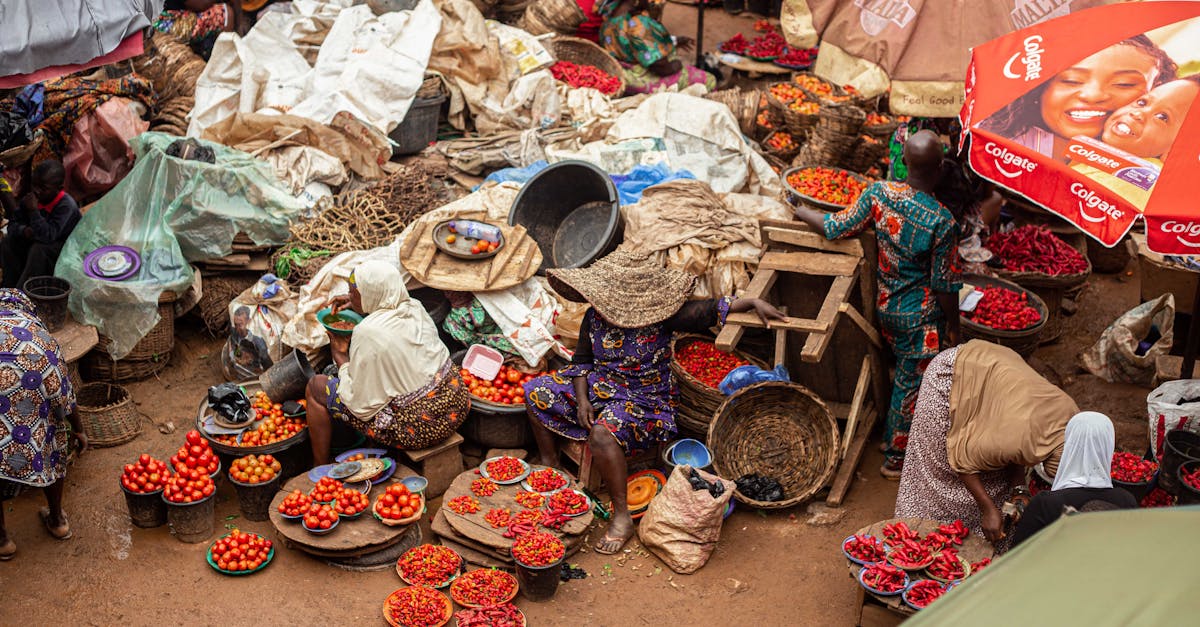
True mastery of Spanish cuisine begins long before the rice hits the pan, rooted in the vibrant atmosphere of local mercados where tradition meets daily life. Wander through stalls in Barcelona's La Boqueria or Madrid's Mercado de San Miguel, where the air is thick with the scent of cured jamón ibérico and fresh seafood still glistening from the Mediterranean. Here, you will find the soul of a paella: saffron threads that paint the dish gold, bomba rice that absorbs flavor without losing its texture, and locally caught prawns or clams selected by hand. Engaging directly with these passionate vendors not only guarantees the highest quality ingredients but also offers a glimpse into regional specialties that define Spain's culinary identity.
Selecting your produce is merely the first step; understanding how to prepare them transforms raw materials into a masterpiece on the table. Once you have gathered your treasures, the journey continues as you learn to balance the earthy notes of chorizo with the sweetness of red peppers and the subtle heat of smoked paprika, ensuring every bite reflects the authentic flavors of the region. Whether you are sourcing green beans for a traditional fideuà or hunting down the perfect piquillo peppers for a stuffed dish, the market teaches you that cooking is an act of respect for nature and heritage. By bringing these carefully chosen ingredients home, you carry forward the story of the land, ready to recreate the timeless classics that have been passed down through generations of Spanish families.
 This photo was taken by Overly Olu on Pexels.