Culinary Delights: Mastering the Art of Paella in Valencia
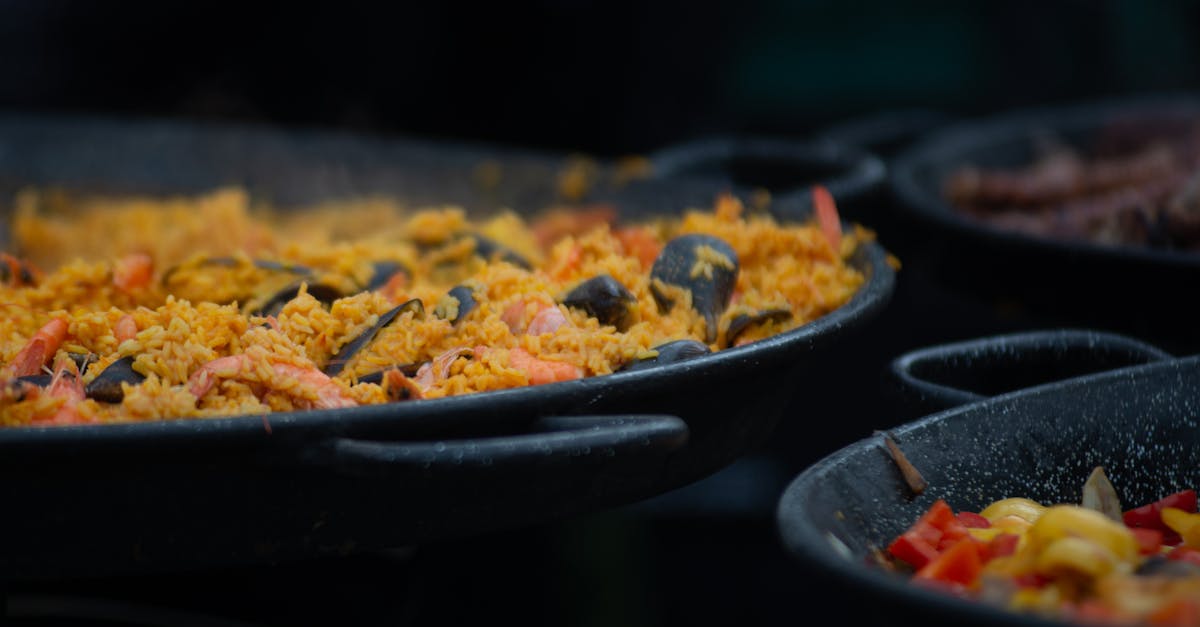 This photo was taken by Александр Лич on Pexels.
Welcome to the heart of Spain, where the golden sun kisses the rice paddies of Valencia and the air is perpetually scented with the earthy aroma of saffron. As your local guide, I invite you on a flavorful journey beyond the typical tapas bars to discover the soul of Valencian cuisine: the legendary paella. This dish is far more than a mere meal; it is a cultural ritual steeped in history, tradition, and an unwavering respect for the land that produces its finest elements. In this post, we will delve into the sacred trinity of ingredients that define this masterpiece, explore the precise fire-to-table techniques passed down through generations, and navigate the authentic variations that make every pot of paella a unique story. Prepare your appetite as we uncover the true art of cooking Spain's most iconic dish.
The Sacred Ingredients: Rice, Saffron, and the Valencia Soil
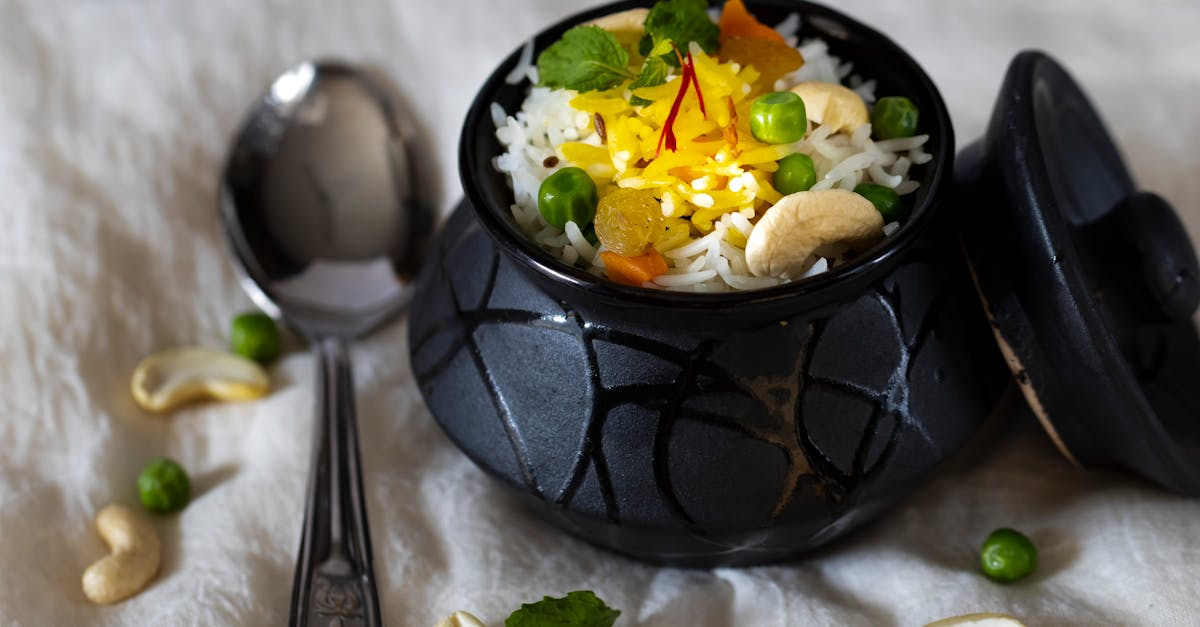
The soul of Valencian cuisine begins with the earth itself, where the fertile soil of the Albufera Natural Park nurtures a unique variety of rice known as 'bomba' or 'senia.' These grains are prized by local chefs for their exceptional ability to absorb rich flavors without losing their structure, ensuring that every grain remains distinct and perfectly al dente. This agricultural treasure is the canvas upon which the masterpiece is painted, but it is the golden thread of saffron that truly brings the dish to life. Harvested meticulously from the crocuses of La Mancha and used sparingly in Valencia, this precious spice imparts not only a vibrant amber hue but also an earthy, honey-like aroma that defines the essence of authentic paella.
When these sacred ingredients converge in the wide, shallow pan over an open wood fire, they create a symphony of taste that has been perfected over centuries. The slow cooking process allows the rice to soak up the savory broth made from fresh rabbit, chicken, or seafood, while the saffron infuses the entire dish with its distinctive character. It is a ritual deeply rooted in the region's history, where the interplay between the specific mineral content of the local water, the quality of the soil, and the careful hand of the cook results in the coveted 'socarrat'—that crispy, caramelized layer of rice at the bottom of the pan. To experience this culinary art form is to understand why Valencia remains the undisputed home of one of the world's most beloved dishes.
 This photo was taken by Pixel Senses on Pexels.
From Fire to Table: The Traditional Cooking Technique
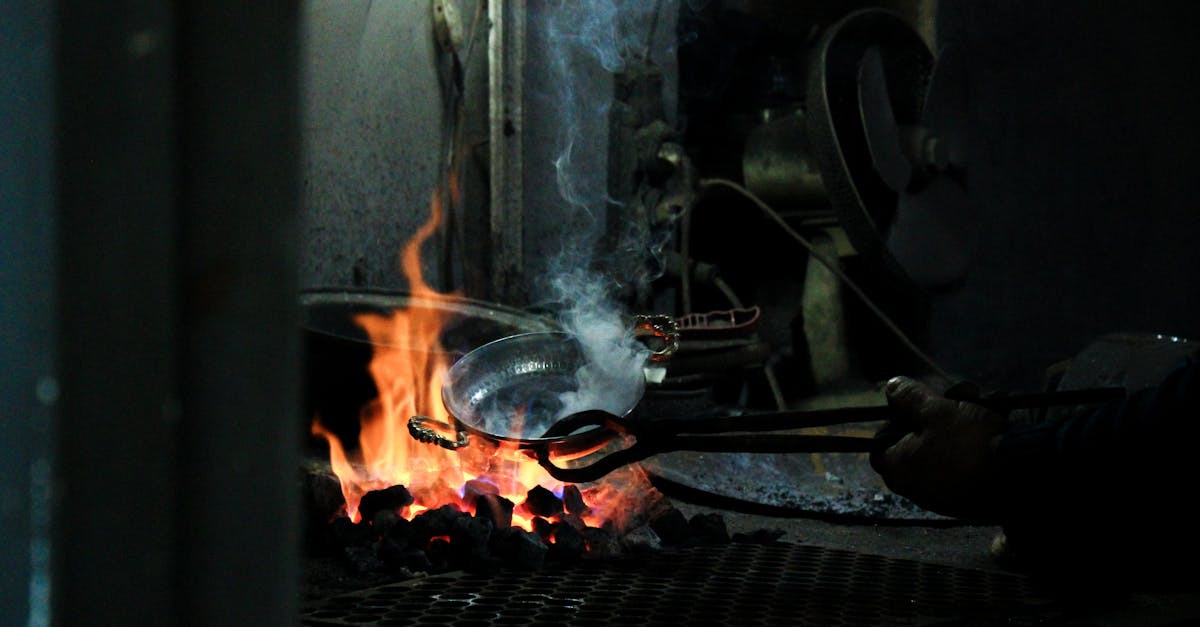
The soul of authentic Valencian paella lies in the rhythmic dance between fire and clay, a tradition that transforms simple ingredients into a culinary masterpiece. At the heart of this technique is the fogón, an open wood or charcoal fire that provides the intense, uneven heat necessary to create the coveted socarrat—that crispy, caramelized layer of rice at the bottom of the pan. Chefs carefully manage the flames, ensuring the broth simmers vigorously before gently reducing, allowing the saffron-infused liquid to be absorbed by the grains while developing complex flavors that cannot be replicated by modern gas stoves. This masterful control over the fire is not merely about cooking; it is a performance where patience and intuition dictate the perfect texture of every single grain.
Once the fire has done its work, the journey from hearth to table becomes a celebration of community and sensory delight. The moment the heat is removed, the pan is covered with a cloth to let the dish rest, a crucial step that allows the flavors to meld and the rice to settle into its final, tender consistency. In the bustling plazas of Valencia, families and friends gather around these massive paelleras, serving themselves directly from the center as the steam carries the aroma of smoked paprika, fresh garden vegetables, and succulent meats or seafood. This shared experience elevates the meal beyond mere sustenance, turning the act of eating into a vibrant ritual that honors centuries of agricultural heritage and the warm hospitality for which Spain is renowned.
 This photo was taken by İpar Toprak on Pexels.
Beyond Seafood: Exploring Authentic Variations of Paella
 This photo was taken by Nadin Sh on Pexels.