Culinary Delights Beyond Paella: Regional Specialties You Must Try
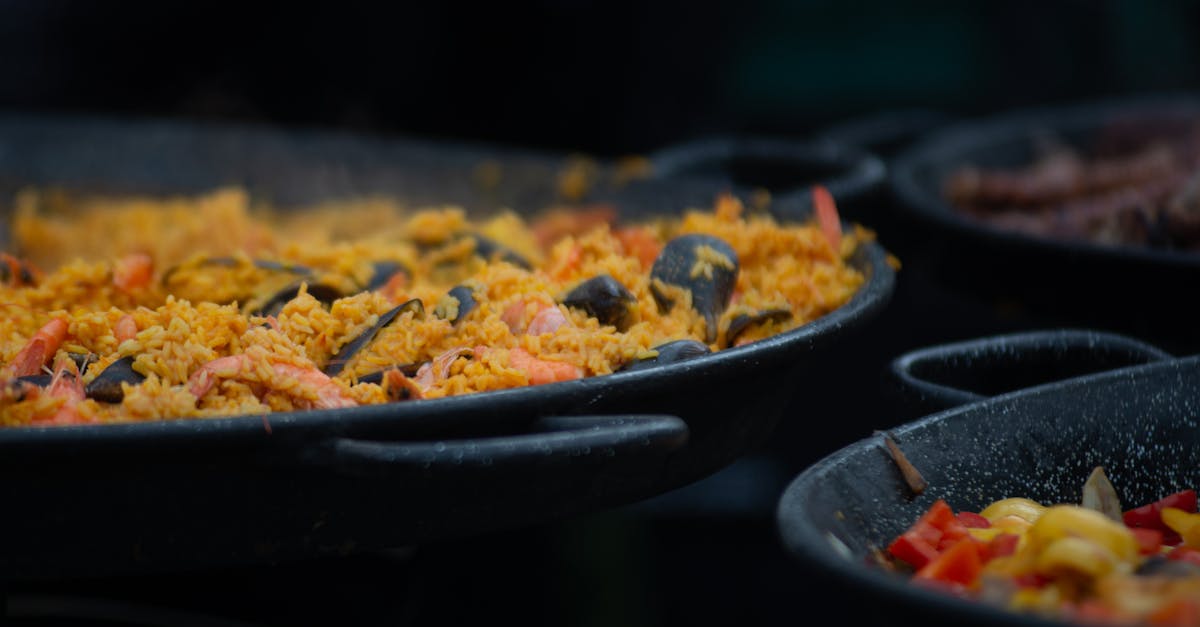 This photo was taken by Александр Лич on Pexels.
When visitors first imagine Spanish cuisine, the vibrant saffron-infused rice of paella often springs to mind. Yet, to stop there is to miss the breathtaking tapestry of flavors that defines our culinary landscape. From the misty coastlines of the north to the sun-drenched plazas of the south, Spain offers a regional gastronomic journey that goes far beyond its most famous dish. In this post, we invite you to explore the seafood symphonies of Galicia, the tapas culture of Andalusia, and the hearty mountain traditions of Asturias, revealing the true depth and diversity of Spanish taste.
The Seafood Symphony of Galicia: From Pulpo a la Gallega to Fresh Oysters
Nestled in the northwest corner of Spain, Galicia offers a culinary experience that dances to the rhythm of the Atlantic, far removed from the saffron-infused rice fields of Valencia. Here, the "Pulpo a la Gallega" is not merely a dish but a cultural ritual, featuring tender octopus tentacles boiled to perfection and served on rustic wooden plates atop a bed of paprika-dusted potatoes. This iconic preparation highlights the region's mastery of simple ingredients, where the smoky sweetness of pimentón complements the natural brine of the sea. Whether enjoyed in a bustling tapas bar in Santiago de Compostela or a seaside tavern in Vigo, each bite transports you directly to the rocky shores where this majestic cephalopod is harvested with sustainable care.
Beyond the octopus, Galicia's coastline serves as an open-air larder for some of the finest shellfish in the world, making it a paradise for seafood connoisseurs. The famous Rías Baixas are renowned for their pristine oysters, which boast a crisp, mineral-rich flavor profile influenced by the cold currents and nutrient-dense waters of the estuaries. Alongside these delicate gems, visitors can savor juicy clams cooked in white wine, succulent razor clams grilled over charcoal, and the vibrant red langoustines that define local festivals. To complete this symphony of flavors, pair your fresh catch with a glass of Albariño, a crisp white wine from the same region that perfectly balances the oceanic notes of your meal, offering a gastronomic journey that celebrates the raw beauty of the Spanish coast.
 This photo was taken by Erik Mclean on Pexels.
A Tapas Journey Through Andalusia: Savoring the Flavors of Seville and Granada
Embarking on a tapas journey through Andalusia is akin to tasting the very soul of southern Spain, where the culinary rhythm is set by the sizzling pan and the clinking of glasses. In Seville, the birthplace of this social dining tradition, you will find bars in the Santa Cruz district serving up pescaíto frito, golden-fried fish that melts in your mouth, alongside the iconic jamón ibérico draped over slices of crusty bread. The atmosphere here is electric; locals gather at standing-room-only counters to swap stories while sampling espinacas con garbanzos or creamy salmorejo, a cold tomato soup thicker than gazpacho and rich with olive oil. Every bite tells a story of Moorish influence and Roman heritage, turning a simple evening snack into a vibrant cultural experience that defines the city's warm hospitality.
As you travel west to Granada, the tapas scene transforms into an even more generous affair, famously known as the "free tapas" culture where ordering a drink often comes with a complimentary plate of food. Here, you must try tortilla de camarones, delicate shrimp fritters unique to the coast, or the smoky papas aliñás, boiled potatoes dressed in garlic, paprika, and olive oil. The flavors in Granada are bold and rustic, reflecting the region's history as the last stronghold of Al-Andalus, evident in dishes like berenjenas con miel, fried eggplant drizzled with sweet honey. Whether you are wandering through the Albaicín neighborhood or enjoying a sunset view from the Mirador de San Nicolás, the act of hopping from bar to bar, savoring these diverse regional specialties, remains the ultimate way to connect with the heart of Andalusian life.
This photo was taken by Erik Mclean on Pexels.
Mountain Meets Fire in Asturias: The Art of Fabada and Asturian Cider
Deep in the rugged, green embrace of the Cantabrian Mountains lies a culinary tradition that defies the coastal stereotypes often associated with Spain: the hearty fabada asturiana. This iconic bean stew is far more than a simple meal; it is a communal ritual born from the harsh winters and demanding labor of Asturias's northern highlands. Slow-cooked for hours to perfection, this rich dish combines creamy white beans with an aromatic blend of smoked morcilla (blood sausage), chorizo, and the prized lacón (pork shoulder). The result is a warming, savory masterpiece that perfectly captures the rustic soul of the region, offering travelers a taste of comfort food that has sustained families for generations against the backdrop of misty peaks.
No visit to an Asturian cider house, or sidrería, would be complete without experiencing the dynamic art of the escanciado, the traditional method of pouring cider. Unlike still wines, Asturian cider is meant to be consumed fresh and sparkling, poured from a height of nearly a meter into a glass held at waist level to aerate the liquid and release its crisp, tart flavor. As you tilt your head back and take a swift sip—never using a spoon—the sharp fizz cleanses the palate, creating the perfect counterpoint to the heavy, fatty richness of the fabada. This unique pairing of mountain earthiness and fiery carbonation offers a sensory experience that is as much about the spectacle of the pour as it is about the delicious flavors waiting to be savored.
 This photo was taken by Jason Reid on Pexels.