Castles and Cathedrals: A Medieval Tour of Northern Spain
 This photo was taken by Mike Art 🎥 Visual Creator | Photography and Video 📸 on Pexels.
Welcome to the heart of Spain's storied past, where misty mountains meet towering stone giants and ancient faith echoes through centuries-old halls. In "Castles and Cathedrals: A Medieval Tour of Northern Spain," we invite you to step back in time along the Camino de Santiago and beyond, exploring a region where history is not just remembered but lived within its walls. From the formidable ramparts of Burgos to the soaring vaults of León and Santiago, and finally to the secluded monasteries hidden deep within the Asturias Mountains, this journey promises an unforgettable adventure through the very essence of medieval Iberia. Let us begin our exploration of these architectural marvels and the legends that shaped them.
The Fortress of San Esteban: A Journey Through Burgos' Stone Giants
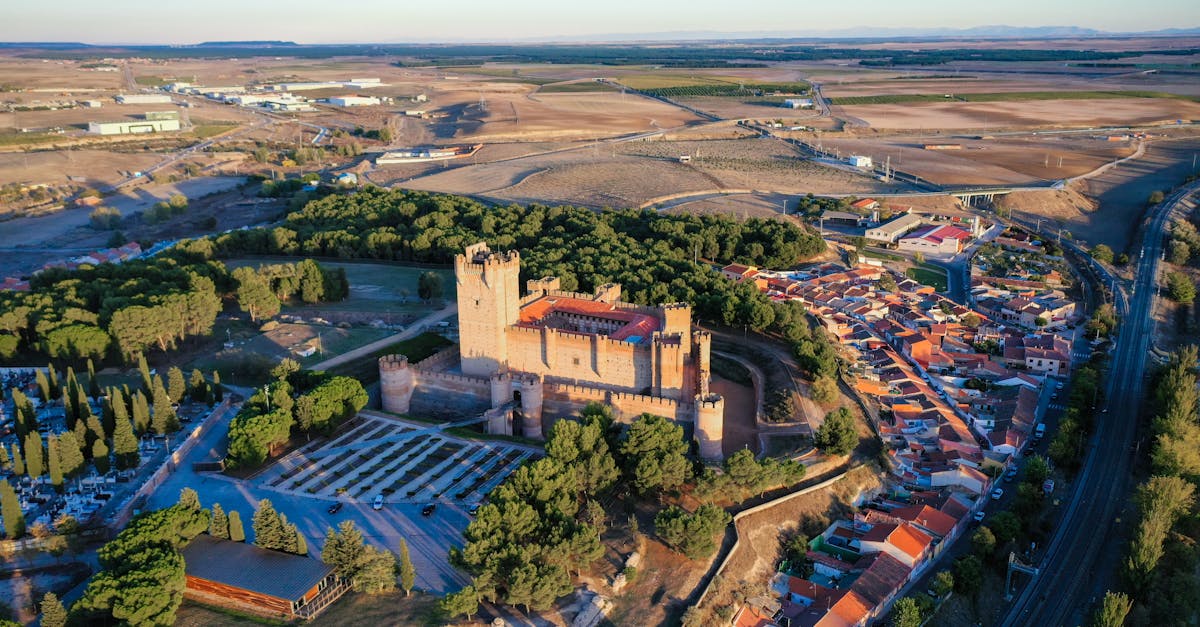
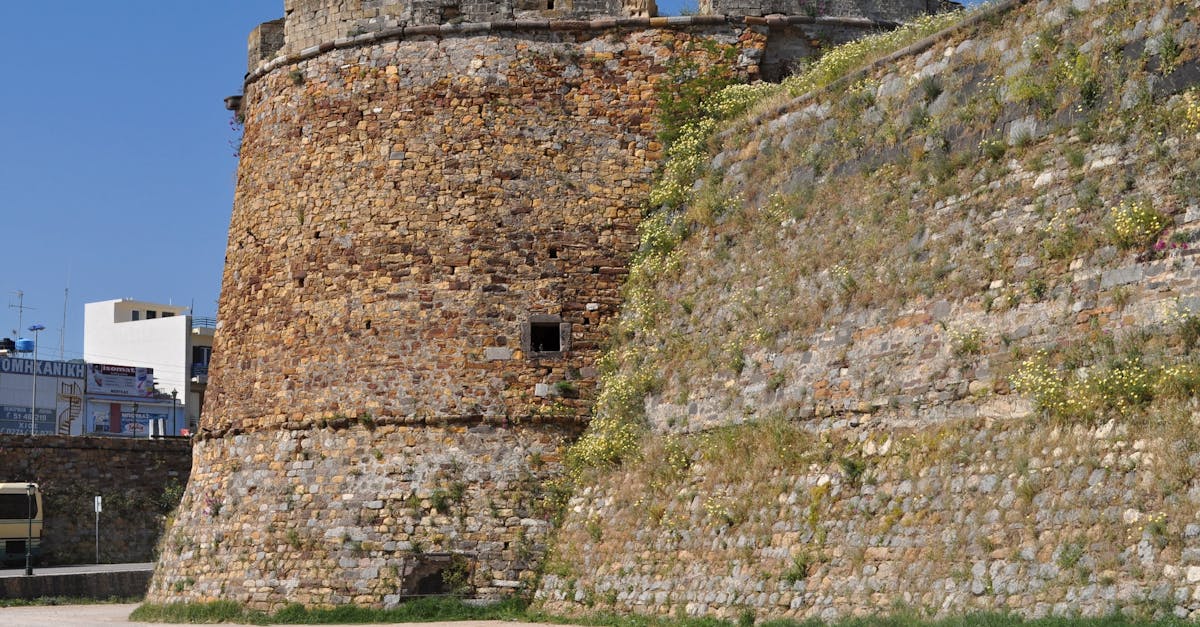
Nestled within the historic heart of Burgos, the Fortress of San Esteban stands as a stoic sentinel guarding the city's medieval legacy. Unlike the soaring spires of its famous neighbor, this fortress offers a more grounded, imposing experience with its massive stone walls and strategic towers that once protected the vital trade routes along the Camino de Santiago. As you wander through its courtyards and climb the ramparts, the sheer scale of the "stone giants" becomes palpable, transporting visitors back to an era where defense was paramount. The rugged texture of the sandstone, weathered by centuries of wind and rain, tells silent stories of sieges and royal decrees, inviting travelers to touch history directly while enjoying panoramic views of the Ebro River valley below.
Beyond its architectural grandeur, San Esteban serves as a poignant reminder of the complex political tapestry that defined Northern Spain during the Middle Ages. Once home to a monastery and later a prison, the fortress has witnessed the rise and fall of empires, yet it remains remarkably intact today. Visitors often find themselves captivated not just by the fortifications themselves, but by the atmospheric silence that fills the interior spaces, broken only by the distant hum of the modern city. Whether you are a history enthusiast tracing the footsteps of King Alfonso VIII or simply a traveler seeking a moment of reflection amidst ancient stones, this fortress provides a profound connection to the martial past of Burgos, perfectly complementing the spiritual majesty of the cathedral nearby.
 This photo was taken by Leo Pekaar on Pexels.
Gothic Splendor: Unveiling the Cathedrals of León and Santiago
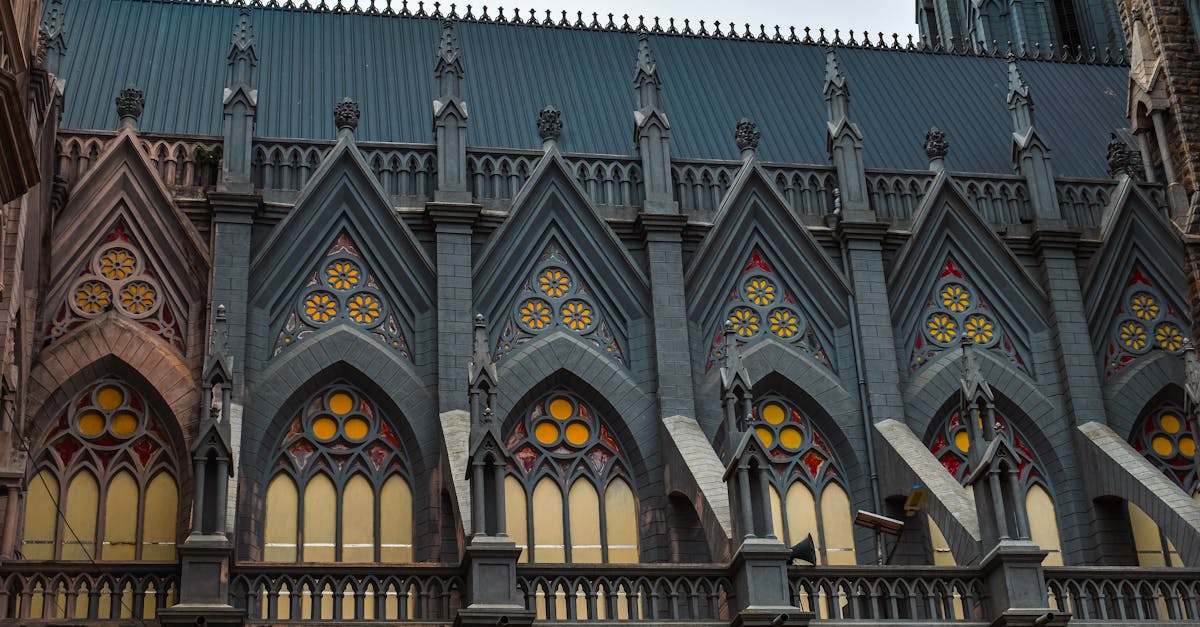
Begin your spiritual journey in León, where the Cathedral of Santa María stands as a breathtaking testament to Gothic architecture's mastery over light and stone. Often called "La Pulchra Leonina," this 13th-century marvel is renowned for housing one of the most extensive collections of original medieval stained glass in Europe, which floods the interior with a kaleidoscope of colors that seem to dance on the vaulted ceilings. As you wander through the cloisters and gaze up at the intricate rose windows, you will feel transported back to an era when faith was built not just on belief, but on the sheer audacity of engineering that allowed these structures to reach toward the heavens. The atmosphere inside is nothing short of ethereal, inviting visitors to pause and reflect on the devotion that shaped Northern Spain's religious landscape.
Journeying northward along the Camino de Santiago, the awe-inspiring Cathedral of Santiago de Compostela awaits as the ultimate destination for pilgrims from around the world. This Romanesque and Baroque masterpiece serves as the final resting place of Saint James the Apostle, drawing millions who have walked the historic routes to witness its grand facade and the famous Botafumeiro incense burner swinging majestically within the nave. Beyond its religious significance, the cathedral offers a mesmerizing blend of architectural styles, from the ornate Pórtico de la Gloria to the bustling Plaza del Obradoiro outside, where the sound of pilgrim footsteps echoes against centuries-old walls. Visiting here provides a profound connection to the region's deep-rooted history, making it a cornerstone of any medieval tour through Northern Spain.
 This photo was taken by Tanmoy Pal on Pexels.
Hidden Medieval Gems in the Asturias Mountains
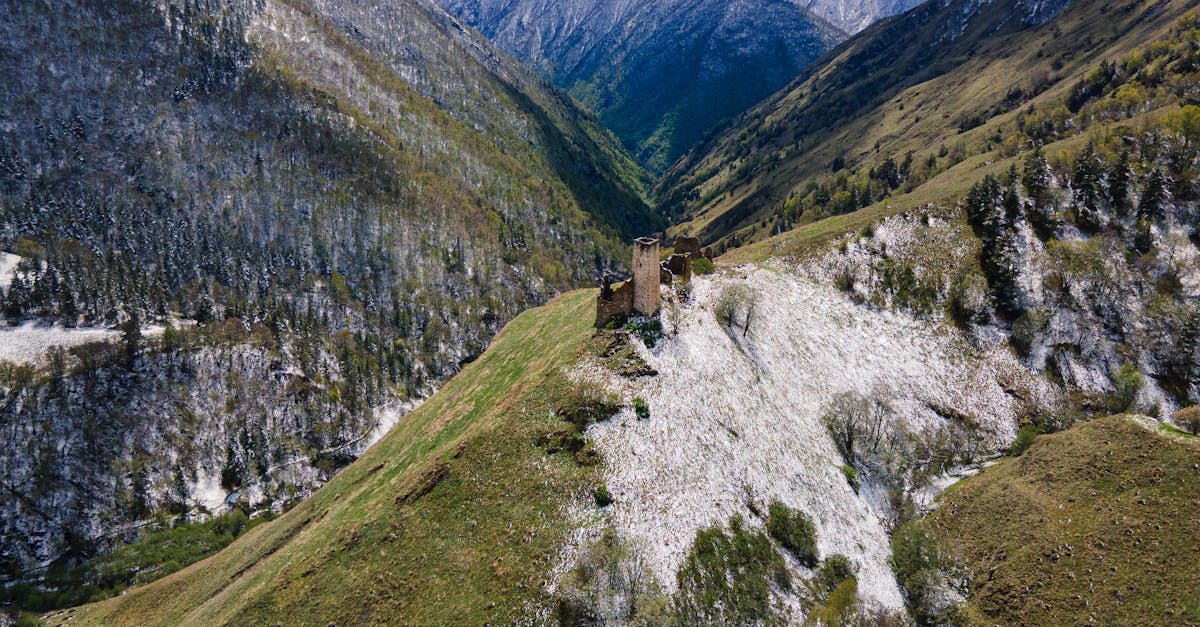
While the grand cathedrals of Oviedo and the imposing castles along the coast often steal the spotlight, the true magic of medieval Asturias lies in its secluded mountain villages, where time seems to have paused centuries ago. Venture beyond the main highways into the Picos de Europa foothills, and you will discover tiny stone hamlets like Cangas de Onís or the remote village of Tarna, where Romanesque churches with intricate tympanums stand as silent sentinels against the rugged peaks. These hidden gems offer an intimate glimpse into a bygone era, featuring rustic monasteries nestled in deep valleys that were once vital stops for pilgrims on the Northern Way, preserving a sense of spiritual solitude that is increasingly rare in modern travel.
Exploring these mountainous enclaves reveals a rich tapestry of history woven from slate roofs, narrow cobblestone streets, and fortified towers that once guarded the borders of ancient kingdoms. Unlike the bustling tourist hubs of southern Spain, the Asturian mountains provide a serene backdrop where you can wander through 12th-century crypts and marvel at the craftsmanship of local masons who carved saints and biblical scenes into limestone without the aid of heavy machinery. Whether you are tracing the footsteps of King Alfonso II in his legendary hunting lodges or simply enjoying a quiet coffee in a square surrounded by centuries-old walls, these lesser-known treasures promise an authentic and unforgettable journey into the heart of northern Spain's medieval soul.
 This photo was taken by Konstantin Abramov on Pexels.