Castles and Cathedrals: A Historical Tour of Northern Spain
 This photo was taken by Mike Art 🎥 Visual Creator | Photography and Video 📸 on Pexels.
Welcome to the rugged and enchanting heart of Spain, where misty mountains meet ancient stone. In "Castles and Cathedrals: A Historical Tour of Northern Spain," we invite you to journey beyond the sun-drenched coasts of Andalusia and into a region defined by its dramatic landscapes and profound heritage. From the formidable medieval fortresses that once guarded the Basque Country's independence to the soaring Gothic spires echoing through the green valleys of Galicia and Asturias, this corner of Europe tells a story written in granite and faith. As we walk through the timeless stone villages of Cantabria, you will discover how history is not just preserved here, but lived every day. Get ready to explore a world where every wall has a whisper and every archway leads to a new chapter of our shared past.
The Medieval Fortresses of the Basque Country
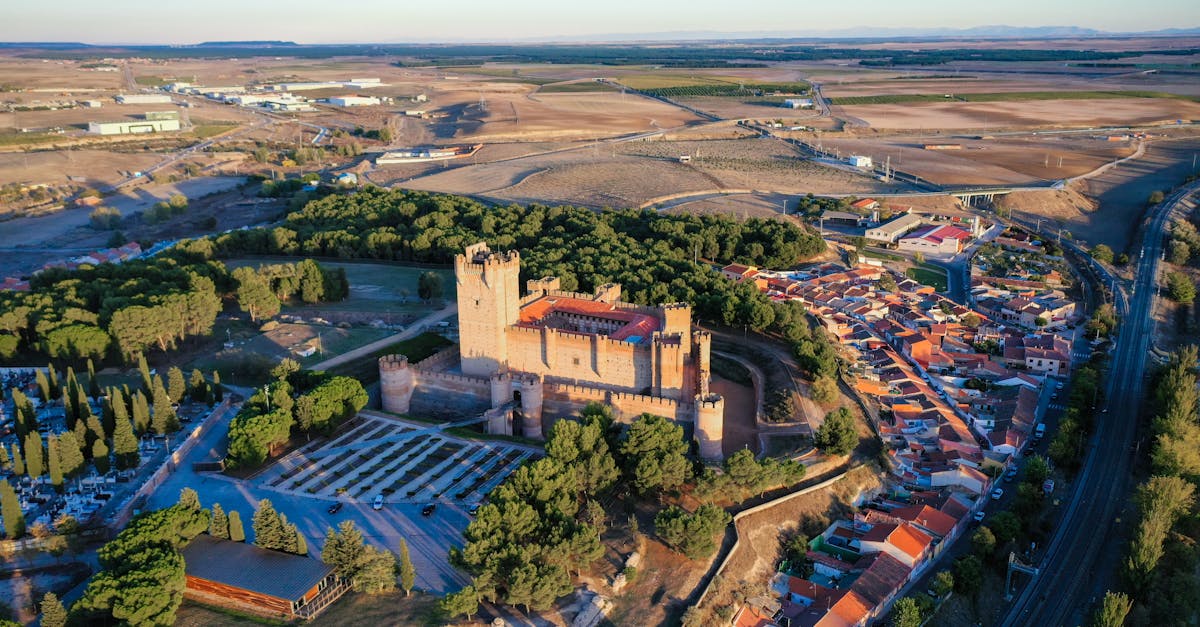
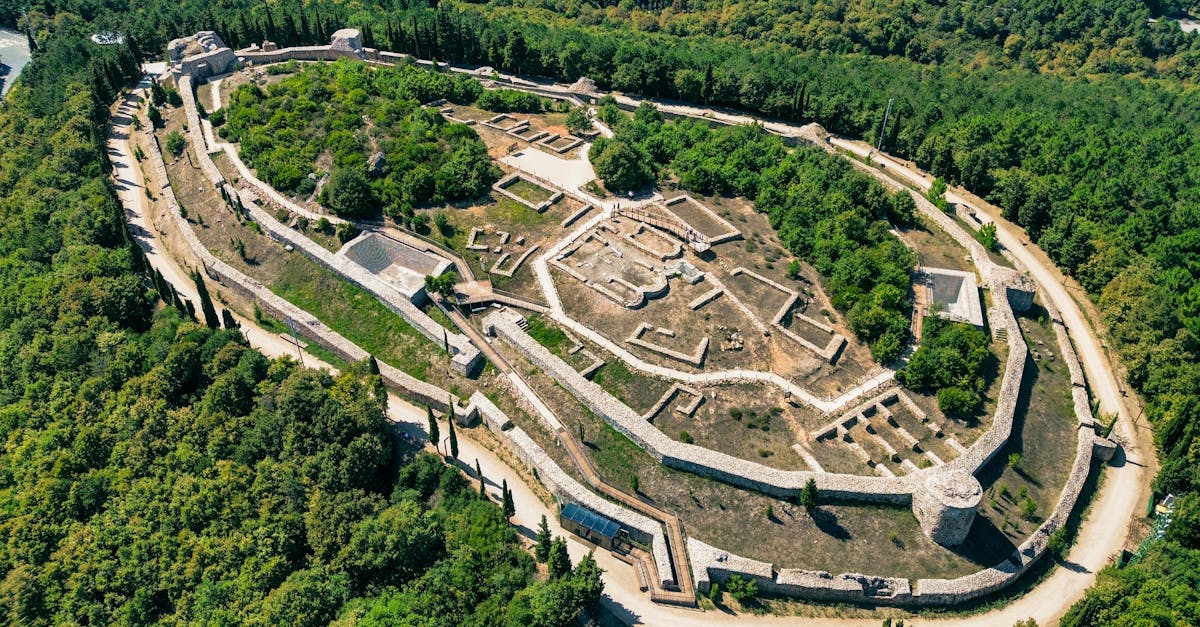
As you venture into the rugged landscapes of the Basque Country, you will discover a network of medieval fortresses that stand as silent sentinels over centuries of turbulent history. Perched atop steep hills or guarding strategic river valleys, castles like the imposing Castillo de Balmaseda in Vizcaya and the ancient walls of Durango offer more than just architectural grandeur; they tell stories of fierce battles between local lords and royal armies. Walking through their weathered stone corridors and climbing watchtowers provides a tangible connection to the region's warrior past, where every crack in the masonry whispers tales of sieges and power struggles that shaped Northern Spain.
These historic strongholds are not merely relics of the past but vibrant cultural hubs that often house museums, host medieval festivals, and overlook the lush greenery characteristic of this northern province. Unlike the sprawling palaces found elsewhere, many Basque fortifications were designed with practicality in mind, reflecting the defensive needs of a people who valued both strength and resilience against invaders. Whether you are exploring the atmospheric ruins at sunset or learning about the daily life of knights and peasants within restored sections, these sites offer an immersive journey into the heart of Basque heritage, perfectly complementing the spiritual majesty of the region's cathedrals.
 This photo was taken by Mehmet Bahtiyar Atasoy on Pexels.
Gothic Grandeur: The Cathedrals of Galicia and Asturias
Journeying north to the mist-shrouded landscapes of Galicia and Asturias, travelers are greeted by a distinct architectural splendor that defines the region's spiritual heart. The Cathedral of Santiago de Compostela stands as the ultimate destination of the Camino de Francés, its massive Baroque facade concealing a Romanesque core that has echoed with pilgrims' footsteps for over a millennium. Just across the border in Oviedo, the Cathedral of San Salvador offers a quieter yet equally profound experience, housing the revered Chamber of the Holy Relics and showcasing the unique Asturian pre-Romanesque style that blends Visigothic influences with early Christian devotion, creating a serene atmosphere where history feels palpable in every stone archway.
Beyond these monumental religious centers, the cathedrals of this northern corridor reveal a rich tapestry of Gothic grandeur adapted to the rugged Atlantic climate. In Lugo, the cathedral is uniquely integrated into the city's ancient Roman walls, offering visitors a rare glimpse of how sacred spaces were fortified during turbulent times. Meanwhile, the intricate stonework of the Cathedral of León, though technically just beyond the strict borders, casts a long shadow over the region's artistic identity with its soaring vaults and breathtaking stained glass windows that bathe the interior in ethereal light. These structures are not merely places of worship but enduring testaments to the resilience and faith of the people who built them, inviting modern explorers to step back in time within their echoing naves.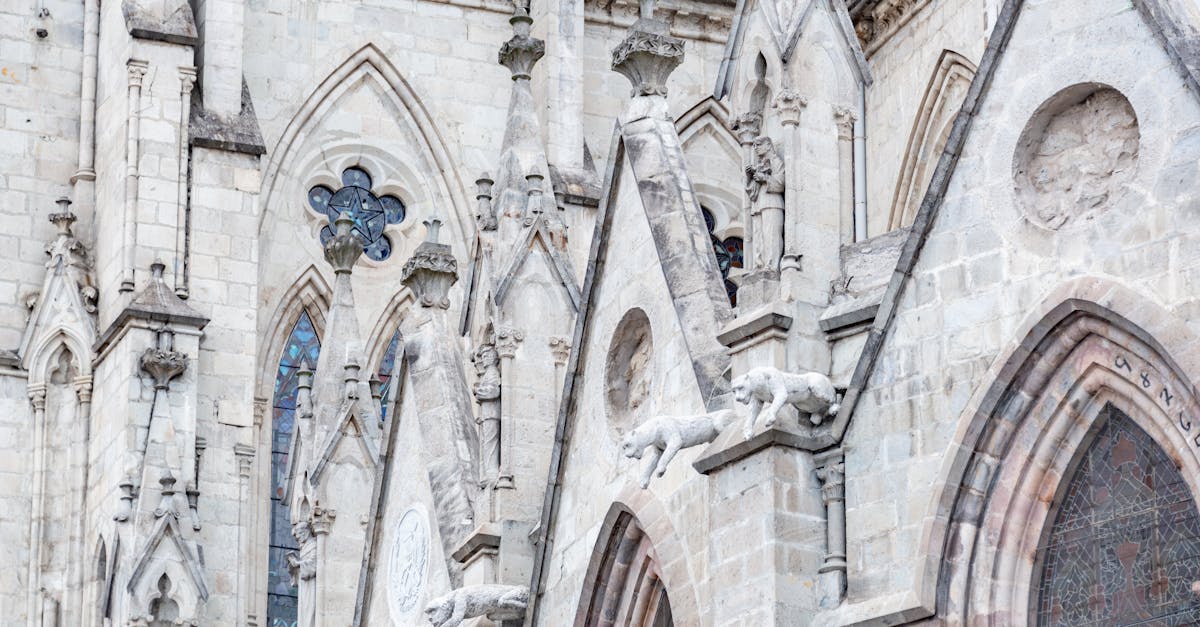 This photo was taken by Diego F. Parra on Pexels.
Walking Through History in Cantabria's Stone Villages
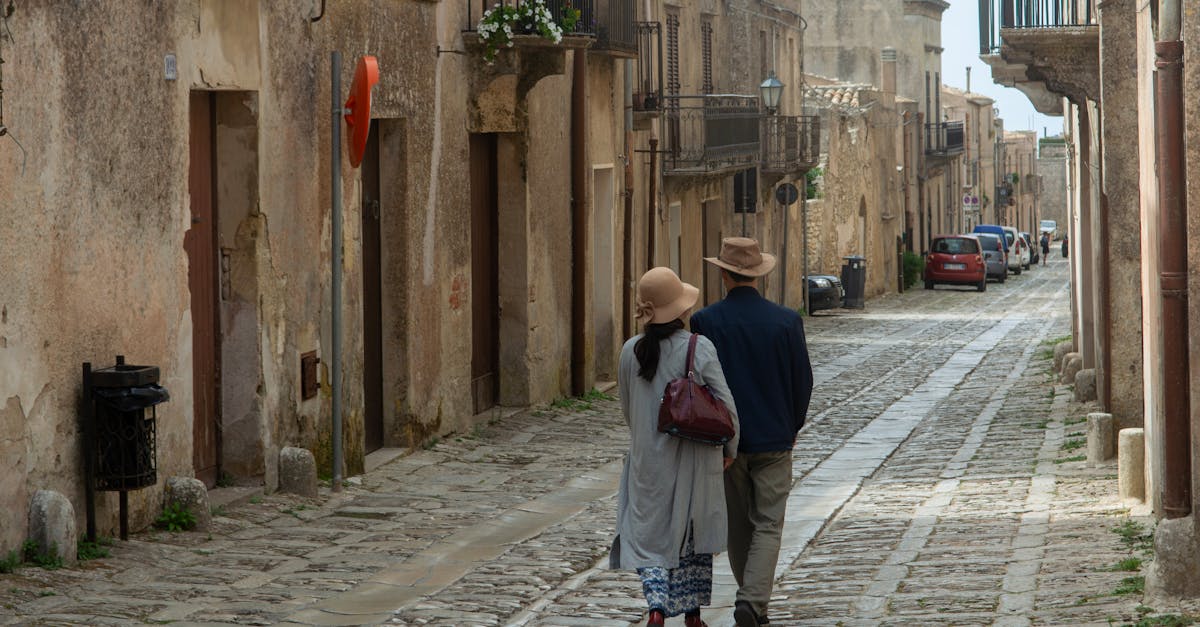
Nestled in the verdant embrace of northern Spain, Cantabria's stone villages offer a timeless journey where history is etched not just in books, but in the very mortar of their walls. As you wander through the narrow, cobblestone streets of places like Santillana del Mar or Potes, the air seems to carry whispers of medieval merchants and ancient shepherds. The architecture here tells a story of resilience and artistry, with Romanesque churches standing guard beside rustic stone houses that have weathered centuries of wind and rain. Every step feels like stepping back in time, inviting travelers to trace the origins of local traditions while admiring the intricate stonework that defines this region's unique character.
Beyond the picturesque facades lies a deeper narrative woven into the landscape itself, from prehistoric cave paintings nearby to the sturdy castles that once protected these mountain communities. Exploring these villages is an immersive experience that goes beyond sightseeing; it is a chance to connect with the soul of Northern Spain. Local artisans still practice age-old crafts in workshops tucked away in quiet alleyways, offering a tangible link to the past. Whether you are sipping on warm cider in a historic plaza or climbing the ramparts of a forgotten fortress, Cantabria invites you to slow down and let the enduring spirit of its stone heritage unfold before your eyes.
 This photo was taken by Jan van der Wolf on Pexels.