Budget Backpacking: How to Explore Spain on a Shoestring
 This photo was taken by The Lazy Artist Gallery on Pexels.
¡Hola, viajeros! Welcome to the land of vibrant sunsets, rhythmic flamenco, and endless sunshine. Many dream of exploring Spain but assume it requires a deep pocket; however, the truth is that this incredible country is one of Europe's most accessible destinations for the budget-conscious adventurer. Whether you are a seasoned backpacker or planning your first solo trip, discovering Spain on a shoestring is not only possible but often leads to the most authentic experiences. In this guide, we will dive into affordable accommodation options like hostels and camping sites, show you how to eat like a local with delicious tapas and market finds, and reveal the secrets to getting around for less using trains, buses, and free walking tours. Get ready to pack your bags and explore the magic of Spain without breaking the bank!
Affordable Accommodation: Hostels, Camping, and Budget Stays
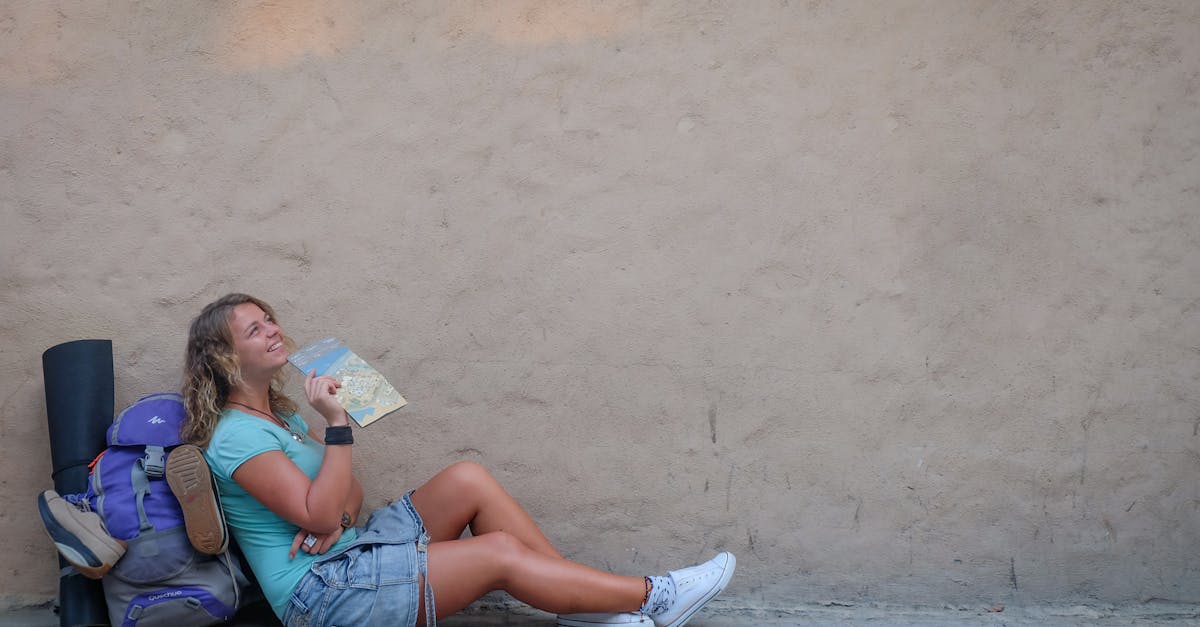
Exploring Spain on a shoestring is entirely possible thanks to its vibrant and well-organized network of hostels, which offer more than just a bed for the night. From the bustling streets of Madrid to the sun-drenched beaches of Valencia, you'll find social hubs where travelers can swap stories over shared kitchens and affordable breakfasts, often including free walking tours or pub crawls. Many of these establishments, particularly in historic cities like Seville and Barcelona, are housed in beautifully restored buildings that blend modern amenities with traditional Spanish architecture, ensuring your wallet doesn't have to suffer while you immerse yourself in the local culture.
For those seeking an even closer connection with nature or a unique outdoor experience, Spain's extensive camping infrastructure provides a budget-friendly alternative without compromising on comfort. The country boasts numerous official campsites equipped with showers, laundry facilities, and Wi-Fi, ranging from scenic coastal spots along the Costa Brava to serene mountain refuges in the Pyrenees. Additionally, "albergues" (pilgrim hostels) scattered across the Camino de Santiago offer incredibly low-cost lodging for hikers, while many rural areas allow wild camping within legal limits, giving adventurous backpackers the freedom to sleep under the stars at a fraction of the cost of a standard hotel room.
 This photo was taken by Ketut Subiyanto on Pexels.
Eating Like a Local: Tapas, Markets, and Free Refills
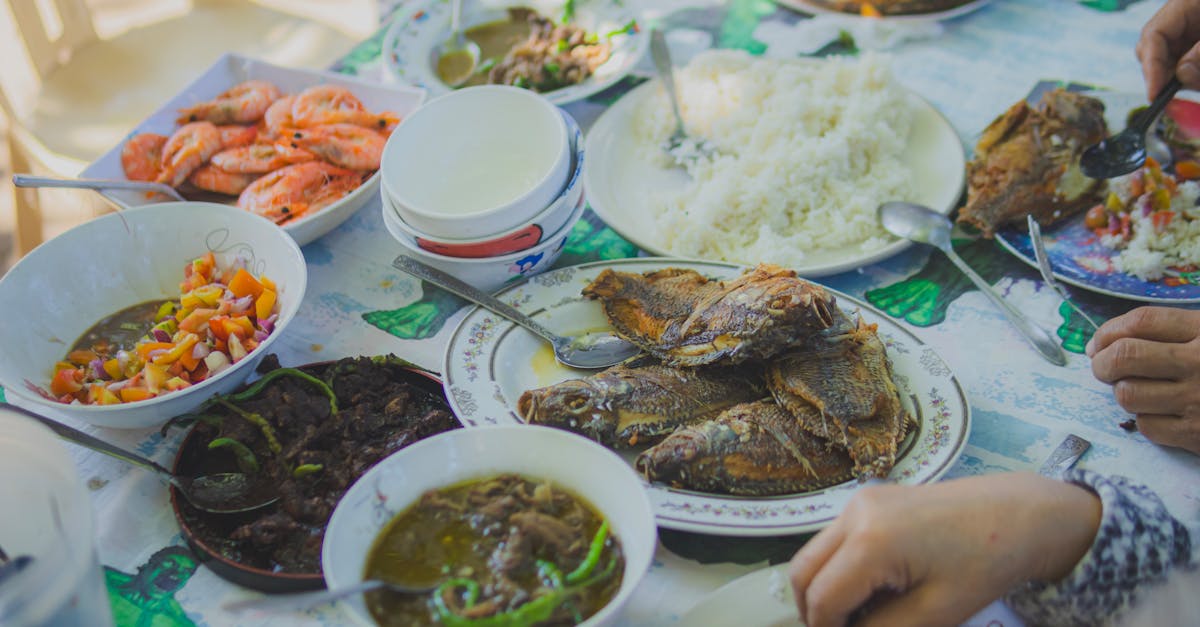
Dining like a local in Spain is the ultimate secret to stretching your budget while savoring authentic flavors, starting with the vibrant tradition of tapas. Instead of ordering expensive full-course meals at tourist-heavy restaurants, head to bustling bars where you can enjoy a small plate of jamón ibérico, patatas bravas, or fresh seafood for just a few euros. This "pica-pica" culture allows you to sample a wide variety of dishes across different establishments without breaking the bank, turning dinner into an adventurous culinary tour. To truly immerse yourself in this lifestyle, visit early evening markets like La Boqueria in Barcelona or Mercado de San Miguel in Madrid; here, you can grab a freshly squeezed orange juice or a sample of artisanal cheese at a fraction of restaurant prices, often finding that the market itself offers the most memorable and affordable dining experience.
Another crucial tip for the budget-conscious traveler is to understand the unwritten rules of Spanish drinking culture, specifically regarding free refills. In many traditional bars, especially when ordering a beer (caña) or wine (vino), it is common practice for the bartender to automatically refill your glass as long as there is space left, meaning your single drink often lasts much longer than you might expect in other countries. While this isn't a universal law everywhere, asking "¿Me lo rellenas?" (Can you fill it?) or simply watching how locals interact with their servers can save you significant money on beverages throughout the day. By combining these smart dining habits with the generosity of local hospitality, you can eat and drink well for pennies compared to standard tourist pricing.
 This photo was taken by Nothing Ahead on Pexels.
Getting Around for Less: Trains, Buses, and Walking Tours
Exploring Spain on a shoestring budget is entirely possible by leveraging its exceptional and affordable public transport network. The Renfe train system connects major cities like Madrid, Barcelona, and Seville with competitive prices, especially when you book the "Renfe Media Distancia" or "Avlo" tickets in advance to secure fares as low as €5. For reaching smaller towns and rural villages that trains miss, the extensive bus networks operated by companies like ALSA are incredibly cheap and punctual. Many travelers also opt for intercity carpooling services like BlaBlaCar, which often undercut both train and bus prices while offering a chance to meet locals. By planning your route around these efficient options, you can traverse the diverse landscapes of Spain without breaking the bank.
Once you arrive in a city, the best way to truly soak in the atmosphere is on foot, as many historic centers are compact and pedestrian-friendly. Cities like Granada, Santiago de Compostela, and the old quarters of Toledo are best explored by walking, allowing you to stumble upon hidden plazas, tapas bars, and architectural gems that tours might skip. To maximize this experience, consider joining free walking tours offered by local guides in most major tourist destinations; while these operate on a tip-only basis, they provide invaluable historical context and insider tips that help you save money on paid attractions. Combining strategic use of regional buses with immersive walking itineraries ensures your backpacking adventure remains financially light while being culturally rich.
 This photo was taken by Caique Araujo on Pexels.