Beyond the Beaches: Exploring Spain's Inland Villages
 This photo was taken by alleksana on Pexels.
While the sun-drenched coasts of Costa del Sol and the Balearic Islands draw millions of visitors each year, Spain's true soul often beats within its rugged interior. Beyond the bustling beaches lies a labyrinth of charming villages that offer a slower pace of life, breathtaking landscapes, and a rich tapestry of history waiting to be uncovered. From the starkly white houses clinging to Andalusian cliffs to the wind-swept plains of La Mancha and the stone-walled medieval towns of Castilla y León, this journey invites you to step off the beaten path and experience the authentic heart of our beloved country.
Discovering the White Villages of Andalusia
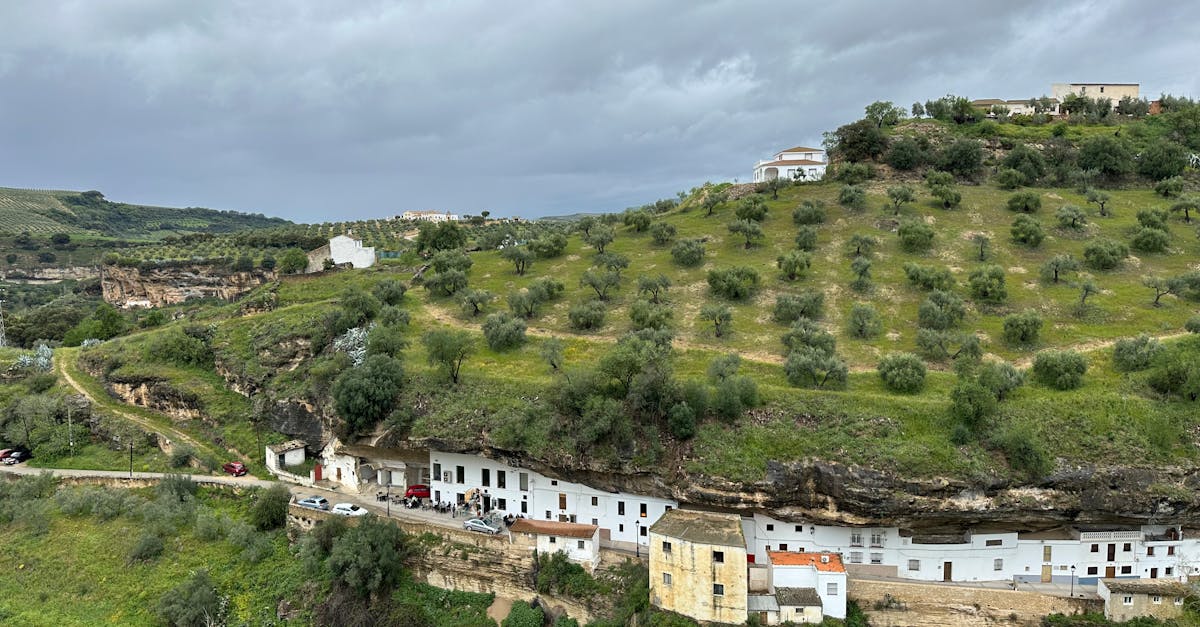
Nestled high in the Sierra de Grazalema and the mountains of Granada, the Pueblos Blancos (White Villages) offer a breathtaking escape from the coastal crowds, where whitewashed houses cascade down steep hillsides like cascading snow against a backdrop of deep blue skies. As you wander through their narrow, winding cobblestone streets, you will be greeted by the scent of blooming jasmine and the sight of vibrant bougainvillea spilling over iron balconies, creating a picturesque contrast that has inspired artists for centuries. Each village, from the iconic Ronda perched dramatically above the El Tajo gorge to the serene white labyrinth of Setenil built into the rock face, tells a unique story of Moorish heritage and Andalusian resilience, inviting travelers to pause and soak in the timeless tranquility of rural Spain.
Beyond their visual charm, these inland gems provide an authentic cultural immersion that is hard to find elsewhere in Europe. Imagine sipping a glass of local sherry in a shaded plaza while listening to the distant sound of traditional flamenco guitar, or hiking through ancient olive groves that have stood for millennia. The culinary delights here are equally compelling, featuring hearty stews, fresh mountain cheeses, and roasted meats prepared with recipes passed down through generations. Whether you choose to explore the historic architecture, engage with friendly locals who still maintain traditional ways of life, or simply lose yourself in the quiet beauty of the landscape, the White Villages promise a soulful journey into the very heart of Andalusia.
 This photo was taken by Sergei Gussev on Pexels.
A Culinary Journey Through La Mancha's Hidden Gems
Stepping into the vast, windswept plains of La Mancha reveals a culinary landscape far removed from the bustling coastlines, where tradition is served on every plate. Here, the iconic manchego cheese, aged to perfection in the cool caves of the region, pairs beautifully with the rich, dark hues of local wines like those from the famous D.O. La Mancha vineyards. As you wander through villages like Almagro or Consuegra, you will discover that the true stars are often humble: a simple stew of rabbit and snails simmered with wild herbs, or the legendary "pisto," a vegetable medley that captures the essence of the sun-drenched fields. These dishes are not just meals; they are a testament to a slow-paced lifestyle that has survived for centuries, inviting travelers to savor flavors that have been passed down through generations of shepherds and farmers.
For the adventurous foodie, the hidden gems of this inland region extend beyond the restaurant menus to the very heart of its festivals and markets. Imagine tasting the world-famous "queso de oveja" alongside a glass of robust red wine while watching the windmills spin against a backdrop of golden wheat, a scene immortalized by Cervantes but alive with modern gastronomic creativity. Many small towns offer unique experiences such as olive oil tastings in ancient mills or workshops on making fresh tortillas de patatas using locally sourced ingredients. Whether you are exploring the narrow cobblestone streets of an evening market or sharing a communal meal in a rustic courtyard, La Mancha offers an authentic taste of Spain's soul, proving that some of the country's most memorable flavors are found far away from the seaside resorts.
 This photo was taken by John Photography on Pexels.
Immersing in History: The Medieval Towns of Castilla y León
Step back in time as you wander through the cobblestone streets of Castilla y León, a region where the Middle Ages seem to have paused in time. Towns like Segovia and Ávila offer an unparalleled glimpse into Spain's feudal past, with their majestic Roman aqueducts and perfectly preserved medieval walls that encircle centuries-old cathedrals and palaces. Unlike the bustling coastal resorts, these inland gems invite you to slow down, exploring narrow alleyways lined with stone houses that whisper tales of knights, kings, and ancient trade routes. The air here carries the scent of roasted chestnuts and woodsmoke, creating an atmospheric backdrop for discovering hidden courtyards and witnessing the enduring legacy of the Reconquista.
Beyond the architectural marvels, immersing yourself in these towns means engaging with a living history that permeates every corner of daily life. You can dine in taverns that have served travelers since the 12th century, savoring hearty stews and local wines that pair perfectly with the region's rugged landscape. Whether you are climbing the ramparts of Zamora to watch the sunset over the Duero River or attending a traditional festival celebrating patron saints, the cultural rhythm of Castilla y León remains deeply rooted in its medieval heritage. This authentic experience offers a profound connection to Spain's soul, proving that the country's true magic often lies not in its sun-drenched shores, but in the quiet grandeur of its historic heartland.
 This photo was taken by Jean-Paul Wettstein on Pexels.