Beyond the Beaches: Discovering Spain's Inland Villages
 This photo was taken by alleksana on Pexels.
While the sun-drenched coasts of Spain often steal the spotlight, the true soul of this vibrant nation beats strongest in its quiet interior. Beyond the bustling beaches lies a labyrinth of historic towns, rolling plains, and ancient landscapes waiting to be explored. In this journey, we leave the shoreline behind to uncover the pristine beauty of Andalusia's White Villages, savor the rich, earthy flavors of Castilla-La Mancha, and walk through the hallowed halls of medieval castles and Roman ruins that define the country's heartland. Join us as we discover the authentic magic hidden within Spain's inland villages.
Hidden Gems: The White Villages of Andalusia
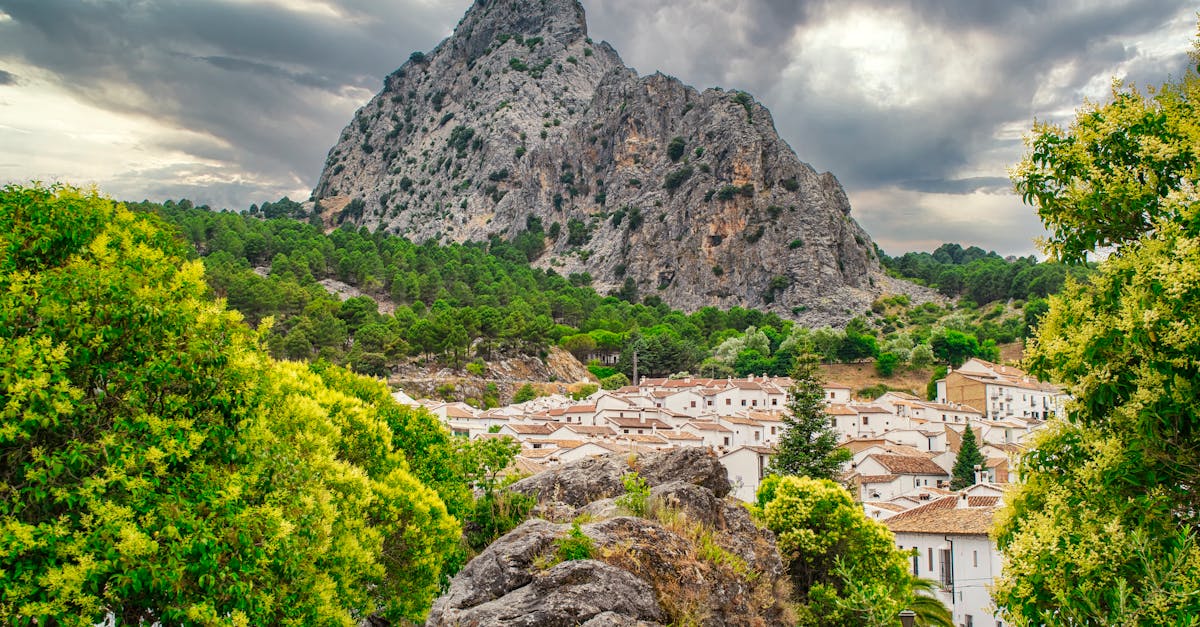 This photo was taken by Enrique on Pexels.
Culinary Treasures: Taste the Authentic Flavors of Castilla-La Mancha
Nestled in the heart of Spain, Castilla-La Mancha offers a culinary journey that transcends the typical coastal fare, inviting travelers to savor the rustic soul of the Iberian plateau. Here, the landscape itself shapes the flavor profile, from the golden fields of saffron that lend their vibrant hue and earthy aroma to the legendary Arroz de Manchego, to the slow-roasted lamb and game meats seasoned with wild herbs. A visit to this region is incomplete without indulging in its world-renowned cheeses, particularly the sharp, crumbly Queso Manchego made from the milk of local sheep, or the savory queso curado aged to perfection. These dishes are best enjoyed alongside the region's famous wines, such as the robust reds from La Mancha DO, which pair beautifully with the hearty stews and grilled specialties found in every village tavern.
Beyond the main courses, the true essence of Manchan cuisine lies in its traditional sweets and the communal atmosphere of its dining tables. As the sun sets over the windmills, locals gather to share plates of polvorones and yemas, delicate pastries made with almonds and sugar that have been crafted for centuries. Whether you are sampling fresh olives at a roadside stand in Albacete or enjoying a leisurely lunch in a stone-walled courtyard in Cuenca, the food tells a story of resilience and celebration. This gastronomic heritage is not just about sustenance; it is an immersive cultural experience where every bite connects you to the timeless traditions of Don Quixote's land, proving that Spain's inland treasures offer flavors far more profound than the sea breeze alone.
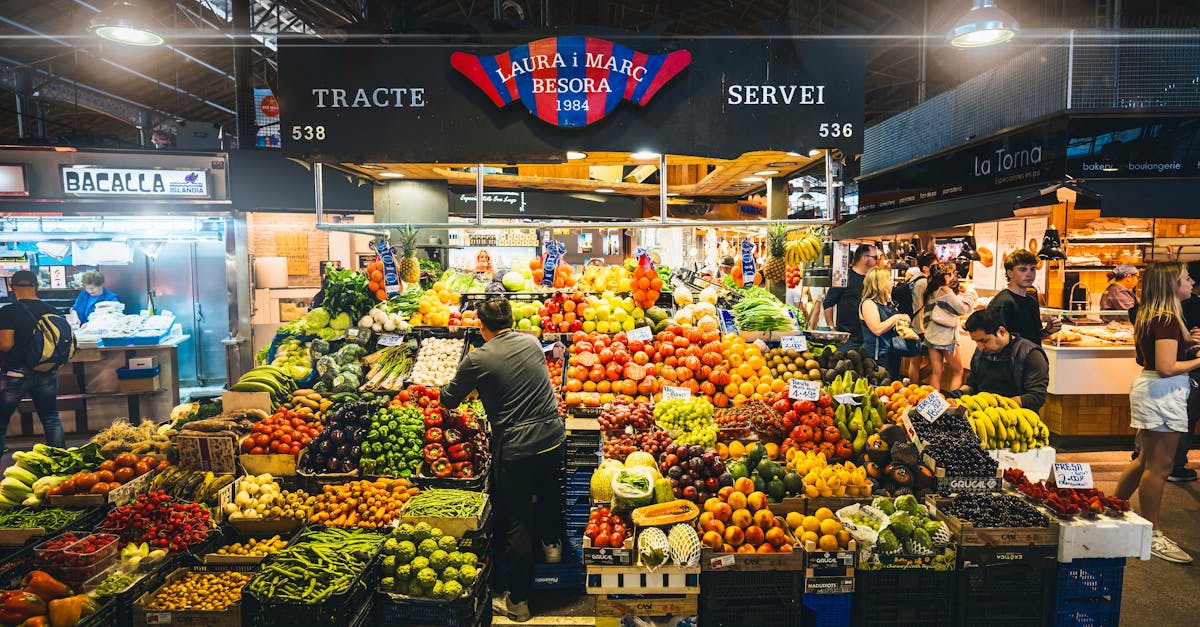 This photo was taken by maxed. RAW on Pexels.
Timeless Heritage: Medieval Castles and Roman Ruins in the Heartland
Deep within the rugged heartland of Spain, where the golden wheat fields meet ancient stone walls, lies a landscape frozen in time by its formidable medieval castles. From the imposing Alcázar of Segovia, perched precariously on a rocky crag like a fairytale fortress, to the mysterious ruins of Calatrava la Vieja, these structures are not merely relics but enduring testaments to centuries of conflict and kingship. Wandering through their weathered corridors offers an immersive journey back to the Reconquista era, where every archway and battlement whispers tales of chivalry, sieges, and the shifting tides of power that once defined this strategic interior region.
Beneath the cobblestones of these inland villages, the foundations of an even older civilization lie waiting to be discovered: the sprawling Roman ruins that laid the groundwork for modern Spain. In towns like Mérida or Tarragona's hinterlands, visitors can stroll across perfectly preserved aqueducts, marvel at amphitheaters that still echo with phantom cheers, and trace the grid lines of ancient streets that have guided travelers for two millennia. This unique layering of history allows you to walk through a living museum where the grandeur of the Roman Empire seamlessly merges with the stoic silence of medieval fortifications, proving that Spain's true soul resides far beyond its sun-drenched coastlines.
 This photo was taken by Erik Mclean on Pexels.