Best Time to Visit Spain: Seasonal Weather and Crowd Tips
 This photo was taken by Erik Mclean on Pexels.
¡Hola, viajeros! As your local guide through the sun-drenched streets and vibrant plazas of Spain, I know that planning your trip can be as exciting as the journey itself. With its diverse landscapes ranging from the snowy Pyrenees to the golden beaches of the Costa del Sol, Spain offers a unique experience year-round. However, choosing the right moment to visit is key to unlocking the country's true magic. In this post, we will explore the seasonal rhythms of our beloved homeland, helping you decide whether to chase the perfect mild temperatures of spring and autumn, embrace the lively heat and festivals of summer, or discover the quiet charm and winter sports opportunities during the cooler months. Let's dive into the best times to create unforgettable memories in Spain.
Spring and Autumn: The Sweet Spot for Perfect Weather
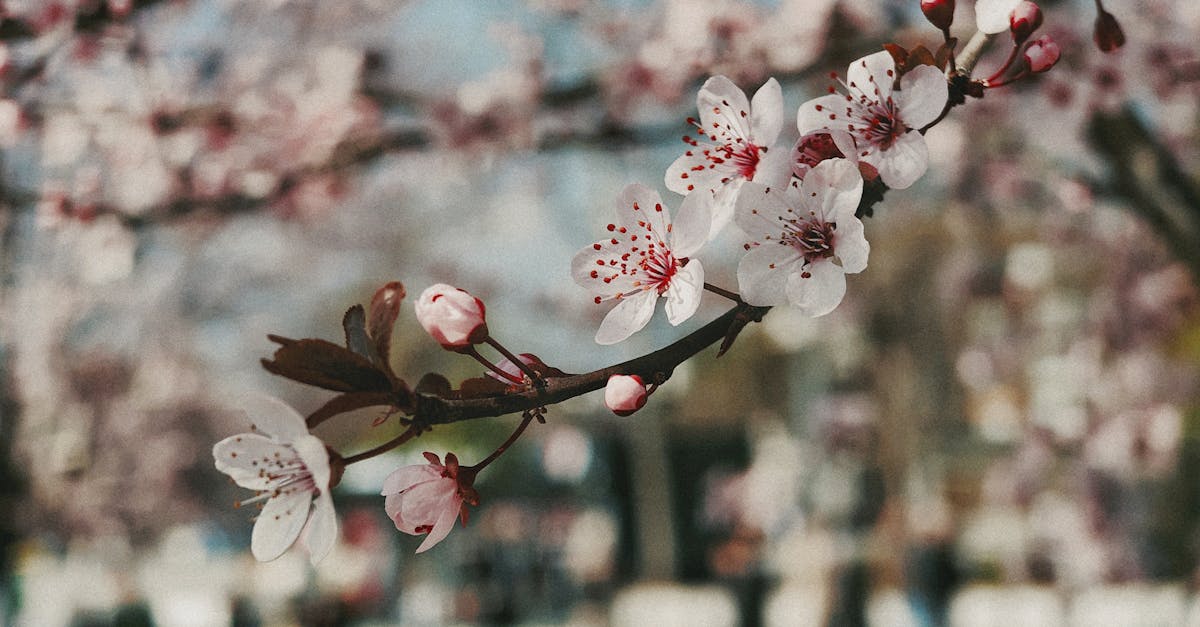
Spring and autumn in Spain are widely considered the golden windows for travelers seeking an ideal balance of comfort and cultural immersion. During these shoulder seasons, particularly from April to June and September to October, the scorching heat of summer dissipates, replaced by mild temperatures that hover between 18°C and 25°C (64°F-77°F), perfect for exploring cobblestone streets without breaking a sweat. In Andalusia, the orange trees burst into bloom while the vineyards of La Rioja turn a vibrant gold, offering picturesque backdrops for photography and leisurely wine tours. Whether you are hiking the Camino de Santiago or wandering through the Alhambra's gardens, the weather is consistently pleasant, allowing you to enjoy outdoor dining and evening strolls when the air is crisp and the sun sets later than in winter.
Beyond the climatic advantages, visiting during these months offers a distinct advantage regarding crowd levels and pricing. While the peak summer rush has not yet arrived or has just subsided, popular destinations like Barcelona, Seville, and Madrid remain accessible, meaning you can admire Gaudí's masterpieces or sample tapas in historic plazas without enduring long queues or overcrowded beaches. Accommodation rates often drop significantly compared to July and August, providing better value for your budget while still ensuring that all major attractions, festivals, and local events are fully operational. This sweet spot allows for a more authentic connection with Spanish life, as locals are out enjoying their own spring walks or autumn harvest celebrations rather than being overwhelmed by mass tourism.
 This photo was taken by Abdullah Öğük on Pexels.
Summer Escapes: Beach Days and Festivals Amidst the Crowds
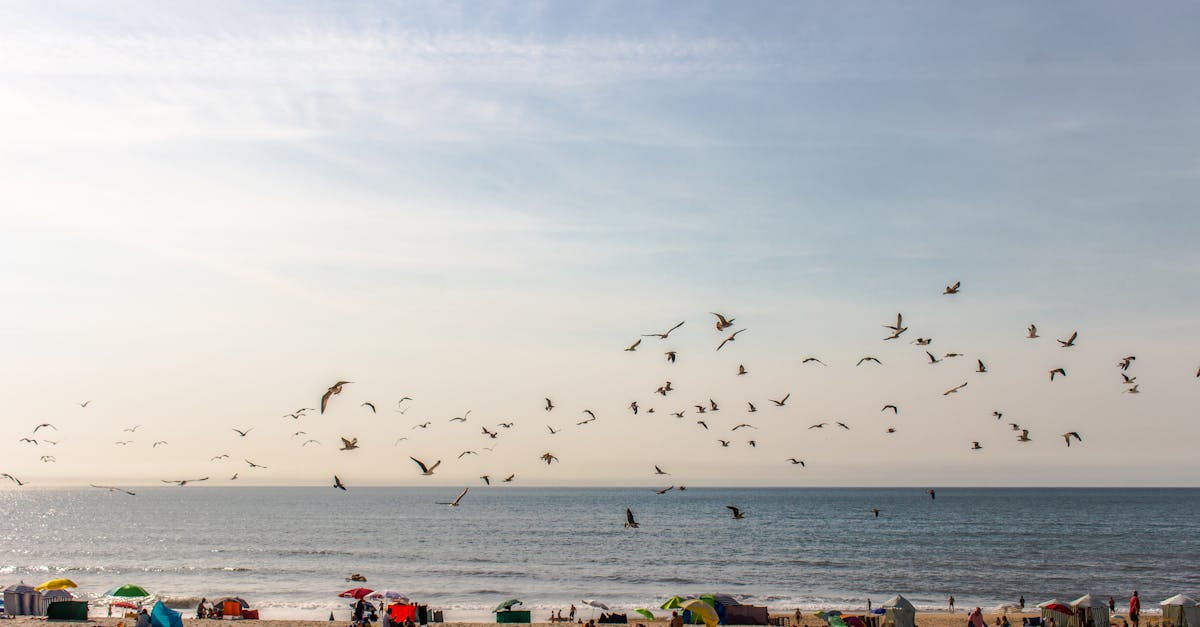
When summer arrives, Spain transforms into a vibrant playground where the sun-kissed coasts of Andalusia and Catalonia come alive with energy. While the beaches of Barcelona's Barceloneta or Malaga's La Malagueta offer crystal-clear waters perfect for swimming, be prepared for a bustling atmosphere as locals and international travelers alike flock to the shoreline. To truly enjoy these golden sands without feeling overwhelmed, consider waking up early to secure a spot before the midday rush, or venture slightly further from the city centers to hidden coves in Costa Brava where the sea remains invitingly serene even during peak season.
Beyond the waves, the summer months are synonymous with Spain's most iconic festivals, creating an unforgettable cultural tapestry woven with music, dance, and tradition. From the electrifying atmosphere of San Fermín in Pamplona to the fiery passion of Las Fallas in Valencia (though technically March) and the world-famous La Tomatina in Buñol, crowds are inevitable but part of the magic. Embrace the chaos by arriving days in advance to book accommodation, participating in local customs with respect, and perhaps planning your itinerary to include lesser-known village fiestas that offer a more intimate glimpse into Spanish life away from the tourist hotspots.
 This photo was taken by Marcos Túlio on Pexels.
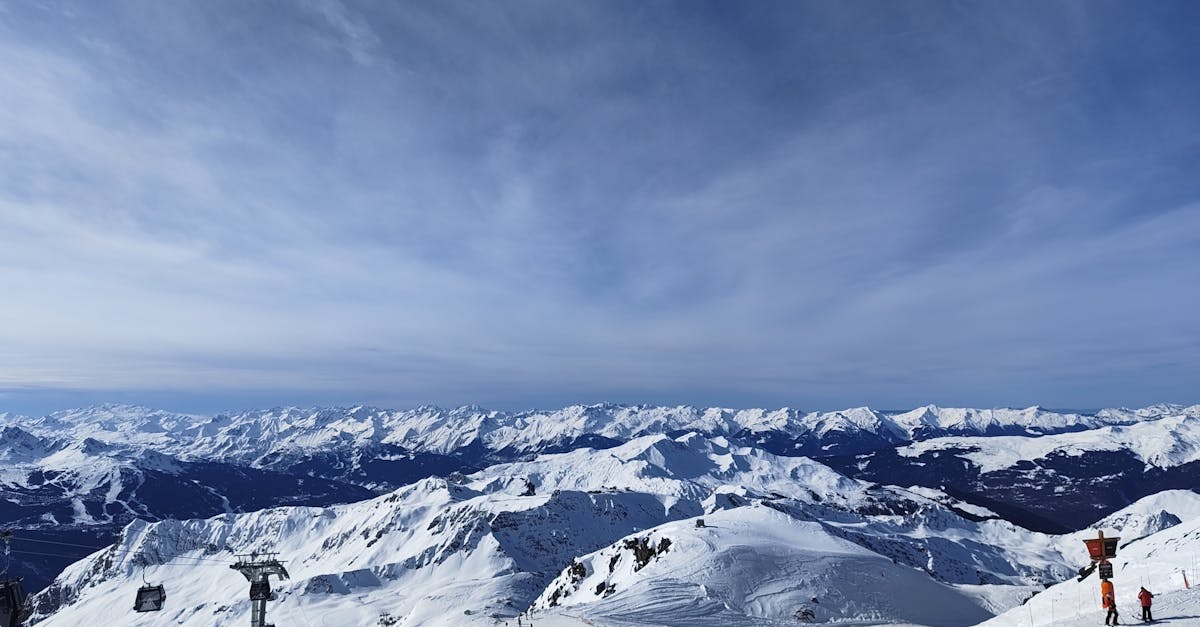
Winter Wonders: Skiing in the Pyrenees and Avoiding the Rush
 This photo was taken by Loic Van Montagu on Pexels.