Art Lover's Dream: Picasso, Dalí, and Gaudí in One Trip
 This photo was taken by Eslam Mohammed Abdelmaksoud on Pexels.
Welcome to the heart of Catalonia, where the boundaries between reality and imagination blur in a spectacular display of artistic genius. As your guide through Spain's most vibrant cultural landscape, I invite you on an unforgettable journey that weaves together three distinct threads of creativity into a single, breathtaking tapestry. From the whimsical, organic curves of Antoni Gaudí's Barcelona to the revolutionary geometric forms pioneered by Pablo Picasso in his hometown of Málaga and the bustling streets of the city, and finally to the dreamlike landscapes of Salvador Dalí across Figueres and Port Lligat, this trip promises more than just sightseeing—it offers a deep dive into the very soul of modern art. Whether you are standing beneath the mosaic dragon at Park Güell or wandering through the surreal rooms of the Dalí Theatre-Museum, prepare to have your perceptions challenged and your senses delighted in what truly is an art lover's paradise.
Barcelona's Modernist Masterpieces: Gaudí's Unforgettable Landmarks
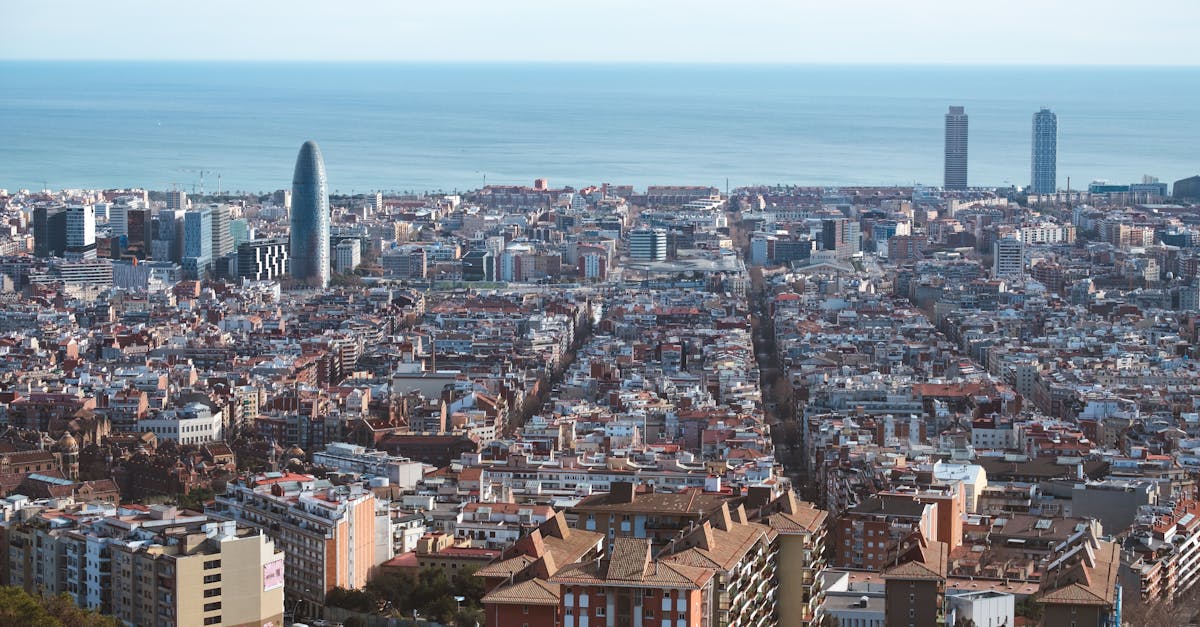
Immerse yourself in the vibrant soul of Barcelona as you wander through streets that seem to have been sculpted by nature itself, thanks to Antoni Gaudí's revolutionary vision. No visit to this Catalan gem is complete without standing in awe before the Sagrada Família, where light filters through stained glass to paint the interior in a kaleidoscope of colors, telling biblical stories with architectural precision that defies gravity. Just a short stroll away, Park Güell offers a whimsical escape where serpentine benches covered in colorful ceramic tiles invite you to rest while overlooking the city, proving that for Gaudí, architecture was not just about shelter but a celebration of life, color, and organic forms that continue to inspire visitors from around the globe.
Beyond these iconic structures, the city pulses with modernist energy at Casa Batlló and La Pedrera, where facades ripple like water or resemble skeletal remains, challenging every convention of traditional design. As you trace the intricate ironwork and explore the rooftop chimneys that look like surreal warriors, you will understand why Barcelona is often called an open-air museum of Modernisme. These landmarks are more than mere tourist attractions; they are testaments to a creative explosion that transformed the urban landscape, offering art lovers a unique opportunity to experience how a single visionary could reshape an entire city into a living work of art.
 This photo was taken by Jo Kassis on Pexels.
The Cubist Revolution: Exploring Picasso's Legacy in Málaga and Barcelona
Begin your artistic odyssey in Málaga, the sun-drenched birthplace of Pablo Picasso, where the city has transformed into a vibrant open-air museum dedicated to his revolutionary spirit. A visit to the meticulously curated Museo Picasso Málaga offers an intimate journey through the artist's formative years and his radical break from tradition, showcasing how his early sketches evolved into the groundbreaking Cubist movement that would redefine modern art. Beyond the museum walls, the historic streets of the old town whisper tales of the young genius who once roamed these cobblestones, while the annual Malaga Festival celebrates his legacy with contemporary exhibitions and street performances, proving that his influence is as dynamic today as it was a century ago.
Journeying north to Barcelona, you will encounter another facet of Picasso's enduring impact within the city's pulsating cultural heart, particularly at the Fundació Joan Miró and the numerous galleries along the Passeig de Gràcia where his works often share space with the avant-garde movements he inspired. While Barcelona is famously associated with Dalí's surrealism and Gaudí's organic architecture, the city also served as a crucial hub for Picasso during his later years, hosting pivotal exhibitions that cemented his status as a global icon. Walking through the Gothic Quarter or exploring the bustling El Born district allows you to trace the footsteps of artists who gathered in its cafés, discussing the very ideas that sparked the Cubist Revolution, creating a seamless narrative that connects Málaga's origins to Barcelona's cosmopolitan evolution.
 This photo was taken by Jean-Paul Wettstein on Pexels.
Dali's Surreal World: From Figueres to Port Lligat
Begin your surrealist journey in Figueres, the birthplace of Salvador Dalí, where the Teatro-Museo Dalí stands as a testament to his eccentric genius. This building, which once housed the city's former theater, was transformed by the artist into an immersive labyrinth filled with his most iconic works, from the melting clocks of The Persistence of Memory to the electrifying Rainy Taxi. As you wander through the basement and rooftop, you will feel as though you have stepped inside Dalí's own mind, surrounded by his personal artifacts, hidden mechanisms, and dreamlike installations that challenge reality itself. It is a place where the boundary between art and life dissolves, offering a profound glimpse into the creative chaos of one of Spain's most celebrated figures.Continue your pilgrimage along the Costa Brava to Port Lligat, the secluded fishing village where Dalí spent decades creating alongside his wife, Gala. Here, the artist purchased several small fishermen's cottages and connected them with corridors and terraces to form a unique home that reflects his intimate connection with the rugged Mediterranean landscape. Strolling through the museum located within this compound, you can explore the studio where he painted many of his masterpieces, surrounded by the same sea views and rocky coves that inspired his later works. The atmosphere is serene yet charged with artistic energy, allowing visitors to understand how the isolation and natural beauty of Port Lligat fueled the surreal visions that would captivate the world. This photo was taken by ing Do on Pexels.