Art Lovers' Delight: Picasso, Dalí, and the Prado Museum
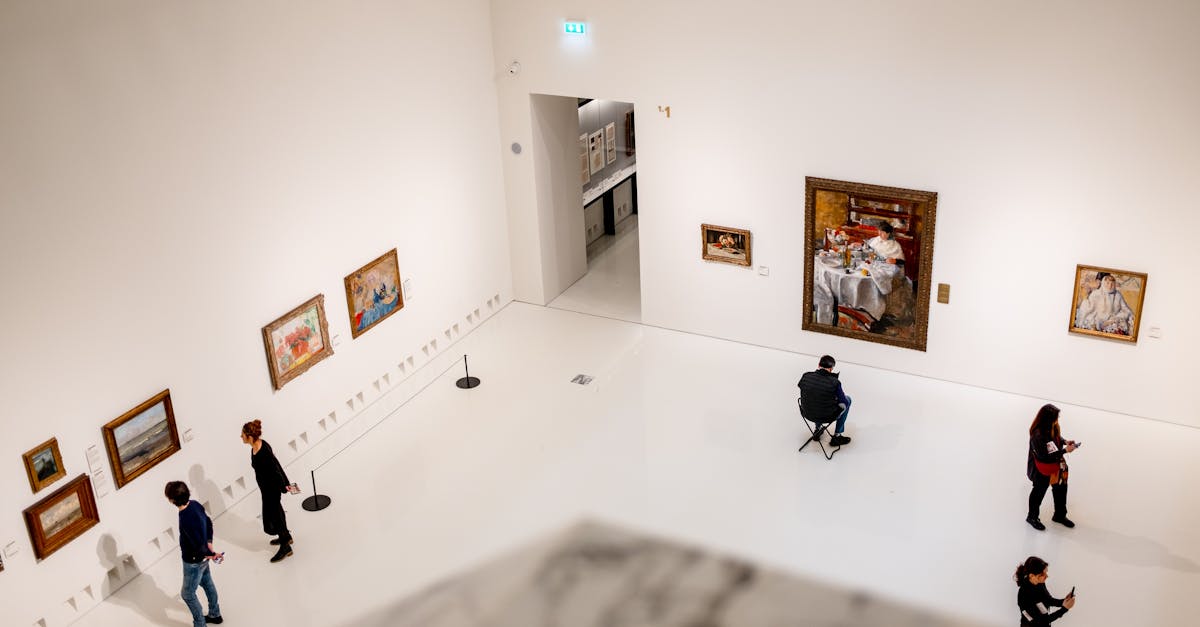 This photo was taken by Laura Paredis on Pexels.
Welcome to the vibrant heart of Spanish culture, where every cobblestone street and museum wall whispers stories of genius. If you are an art enthusiast planning your next journey through Spain, you are in for an unforgettable adventure that spans from the melancholic hues of Barcelona's early 20th century to the dreamlike landscapes of Catalonia, culminating in the unparalleled treasures of Madrid's national gallery. In this post, we will guide you through the evocative streets where Picasso painted his Blue Period, explore the surreal dimensions brought to life by Dalí in Figueres, and immerse ourselves in the Golden Age masterpieces waiting to be discovered at the Prado Museum. Get ready to embark on a visual pilgrimage that defines the very soul of Spanish artistic heritage.
Tracing Picasso's Blue Period in Barcelona
For art enthusiasts visiting Barcelona, tracing the haunting beauty of Picasso's Blue Period offers a profound journey into the artist's early struggles and emotional depth. While many associate his fame with later cubist works, it was in this Catalan capital, between 1901 and 1904, that Pablo Picasso painted some of his most melancholic masterpieces, characterized by monochromatic shades of blue and blue-green that evoke themes of poverty, isolation, and despair. Visitors can explore the historic Born district where he lived and worked, or visit the Museu Picasso to see pivotal works like The Tragedy and The Old Guitarist, which capture the raw human condition during a time when the young artist was living in near destitution amidst the vibrant bohemian culture of the city.
Walking through the streets of El Raval and Gràcia today, one can almost feel the atmosphere that inspired these somber canvases, as the narrow alleys and quiet plazas once echoed with the stories of the marginalized figures who populated his paintings. The museum dedicated to his life provides an intimate look at his evolution from a talented youth in Barcelona to a global icon, showcasing sketches and early studies that reveal the meticulous development of his iconic style. This specific chapter of his career serves as a poignant reminder of how personal hardship can fuel artistic genius, making a visit to Barcelona essential for those seeking to understand not just the visual language of modern art, but the deeply human story behind the brushstrokes.
 This photo was taken by Brett Sayles on Pexels.
Dali's Surreal World: From Figueres to the Gala-Salvador Dalí Museum
For the art enthusiast, a journey through Catalonia is incomplete without immersing oneself in the hallucinatory landscapes of Salvador Dalí, beginning in his hometown of Figueres. Here, the Teatre-Museu Dalí stands as a testament to the artist's genius, ingeniously constructed within the ruins of the old Municipal Theatre where he once performed. As you wander through its labyrinthine corridors, you are invited into a world where time seems to suspend itself, filled with melting clocks, elephants with spindly legs, and the iconic lobster telephone that define the Surrealist movement. The museum offers an intimate glimpse into Dalí's mind, showcasing not just his paintings but also his eccentric sculptures and installations, creating an immersive experience that blurs the line between reality and dreams.
Continuing this artistic pilgrimage along the Costa Brava, the Gala-Salvador Dalí Museum in Portlligat provides a serene yet equally captivating contrast to the bustling energy of Figueres. Located in a cluster of fishermen's cottages on the coast, this was the artist's beloved home and studio for decades, now preserved exactly as he left it. Visitors can explore the rooms where Dalí and his muse, Gala, lived, worked, and found inspiration from the rugged coastline and the changing light of the Mediterranean. From the famous "Crucifixion" series displayed here to the personal artifacts that reveal the couple's unique bond, the museum offers a profound understanding of the man behind the myth, making it an essential stop for anyone seeking to fully appreciate the surreal depth of Dalí's legacy in Spain.
 This photo was taken by Esra Erdoğdu on Pexels.
Masterpieces of the Golden Age at the Prado
Step into the hallowed halls of the Prado Museum, where the Golden Age of Spanish art comes alive in a breathtaking display of human emotion and technical mastery. Here, you will stand before the towering figures of Velázquez, whose "Las Meninas" remains a masterclass in perspective and mystery, inviting visitors to ponder the very nature of observation itself. As you wander through galleries dedicated to El Greco's elongated saints and Zurbarán's dramatic monks, you are transported back to an era when Spain was the epicenter of European culture, witnessing how these artistic giants used light and shadow to convey profound spiritual and political narratives that still resonate today.
Beyond the religious and royal portraits, the Prado offers an intimate glimpse into the daily lives and inner worlds of 16th and 17th-century Spain through the works of Goya, who bridges the gap between classical tradition and modern sensibility. His dark, haunting paintings like "The Third of May 1808" challenge the viewer with raw depictions of war and injustice, marking a pivotal shift in art history that paved the way for the avant-garde movements of later centuries. Whether you are tracing the delicate brushstrokes of Murillo's cherubic angels or marveling at the complex symbolism in Bosch's fantastical landscapes, this collection provides an unparalleled journey through the soul of Spain, proving why it remains a pilgrimage site for art lovers from around the globe.
 This photo was taken by Leah Newhouse on Pexels.