Art Enthusiast's Itinerary: Picasso, Dalí, and Gaudí in One Week
 This photo was taken by FRANCISCO MÉRIDA on Pexels.
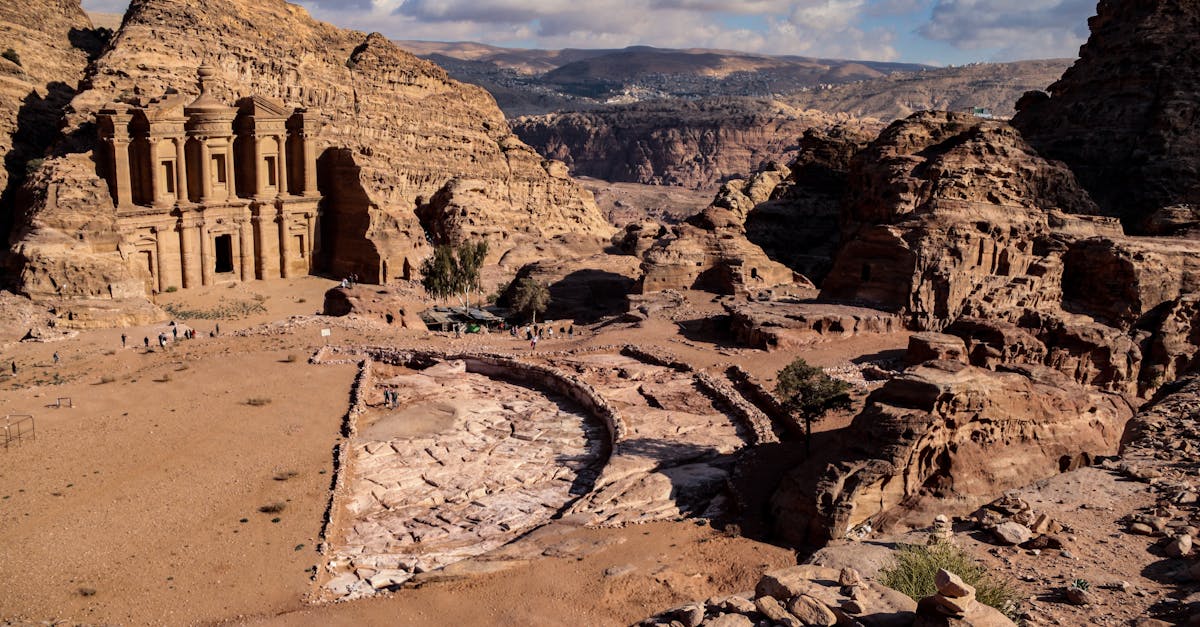
Welcome to the ultimate journey through Spain's artistic soul, where the lines between reality and imagination blur in spectacular fashion. For one week, we invite you to step into the vibrant worlds of three titans who reshaped modern art: Antoni Gaudí, Pablo Picasso, and Salvador Dalí. From the soaring, organic architecture that defines Barcelona's skyline to the surreal landscapes of the Costa Brava, this itinerary promises an immersive experience for every art lover. Whether you are tracing the early influences of a genius or wandering through dreamlike museums, prepare to be inspired by the unparalleled creativity that flows through Catalonia. Let us begin our adventure across time and style.
Barcelona: Gaudí's Modernist Masterpieces
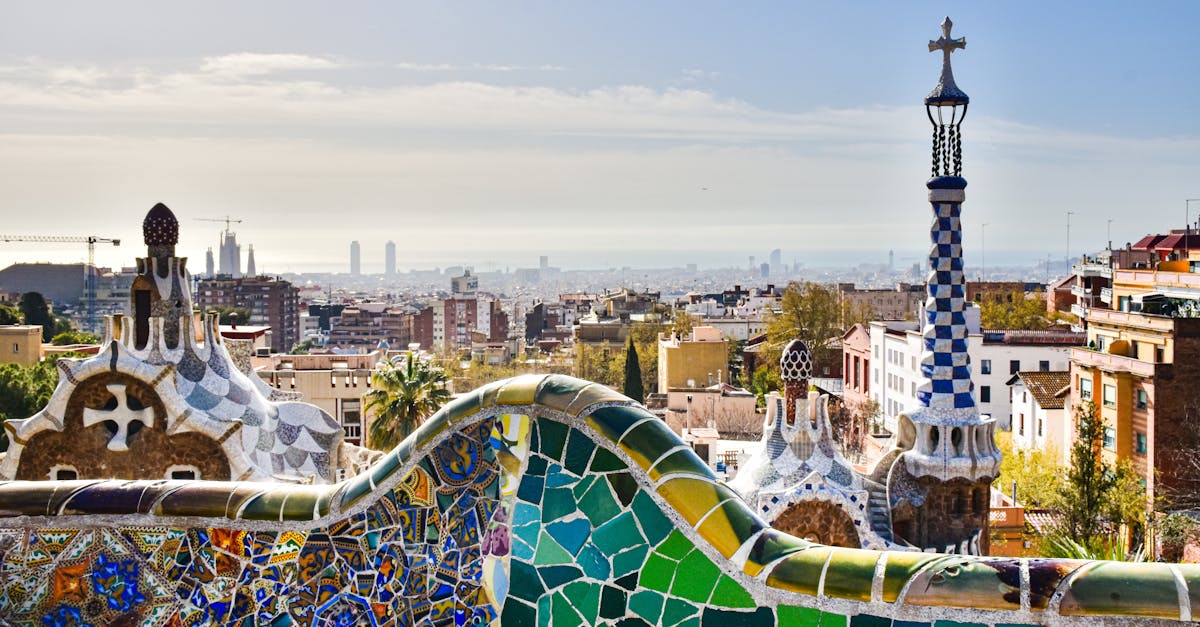
Immerse yourself in the vibrant soul of Barcelona, where Antoni Gaudí's imagination has transformed stone and iron into organic poetry that seems to breathe. Your journey begins at the iconic Sagrada Família, a basilica still under construction yet already standing as a testament to faith and architectural genius; here, the interplay of light through stained glass creates a kaleidoscope of colors that feels almost divine. Just a short walk away, Park Güell offers a whimsical escape with its serpentine benches clad in colorful trencadís mosaics and structures that defy conventional geometry, inviting you to stroll through a landscape where nature and art merge seamlessly.
For a more intimate encounter with Modernism, explore the Casa Batlló and Casa Milà, two residential masterpieces that showcase Gaudí's unique ability to blend functionality with fantasy. The Batlló house, known as the "House of Bones," features undulating facades and skeletal balconies that tell a story of dragons and saints, while the Milà building boasts an awe-inspiring rooftop filled with surreal chimneys that resemble medieval warriors. As you wander these streets, notice how every curve and detail challenges the rigid lines of traditional architecture, offering an unforgettable visual experience that captures the very essence of Catalonia's creative spirit during the turn of the 20th century.
 This photo was taken by AXP Photography on Pexels.
Paris to Catalonia: Tracing Picasso's Roots
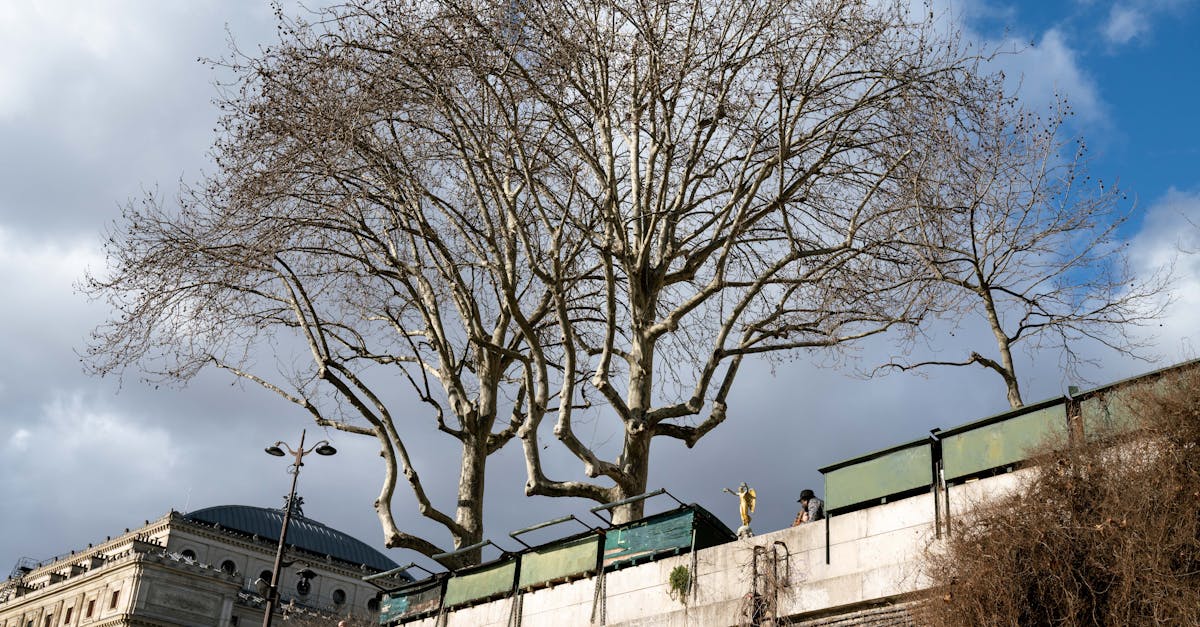
Begin your artistic pilgrimage in Paris before crossing the Pyrenees to trace the formative years of Pablo Picasso, whose genius was forged between his native Málaga and the vibrant streets of Barcelona. While many assume his style crystallized solely in Spain, a significant portion of his early evolution occurred during his frequent visits to Paris, where he absorbed Cubism and avant-garde movements before returning home. This journey invites you to explore the Casa Natal in Málaga, then travel north to the Museu Picasso in Barcelona, located within an exquisite collection of medieval palaces that once housed the artist's own studio. Here, you will discover over 4,000 works that reveal how his time in France influenced his mastery of line and form, creating a tangible link between the French capital's bohemian energy and Catalonia's rich cultural heritage.
Completing this specific leg of your itinerary involves walking the very cobblestone paths where Picasso sketched his first masterpieces, bridging the gap between his French education and his Spanish soul. As you wander through the Gothic Quarter of Barcelona, imagine the young artist navigating these narrow alleys, blending the modernist currents he encountered in Paris with the deep-rooted traditions of Catalan art. This section of your week serves as a crucial prelude to meeting Salvador Dalí in Figueres and Antoni Gaudí's architectural marvels in Barcelona, offering a comprehensive view of how these three titans of modern art drew inspiration from both international influences and their local soil. By connecting the dots between Paris and Catalonia, you gain a deeper appreciation for the cosmopolitan spirit that defined not just Picasso, but the entire artistic renaissance of early 20th-century Spain.
 This photo was taken by Bingqian Li on Pexels.
The Surreal Coast: Exploring Dalí's Figueres
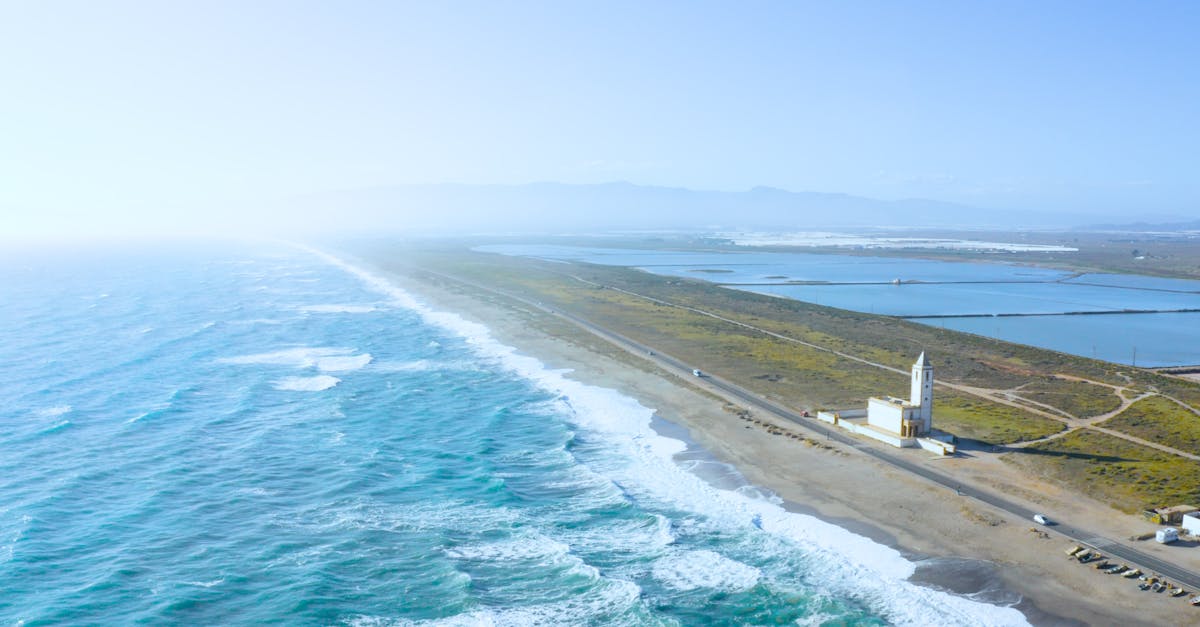
Just a short train ride from Barcelona lies Figueres, the birthplace of Salvador Dalí and home to the world's most extraordinary tribute to his mind: the Teatre-Museu Dalí. This isn't merely a museum; it is a total work of art where the boundary between reality and the surreal dissolves completely. As you wander through the building that once housed the town's theatre, you will find yourself stepping into Dalí's dreamscape, surrounded by melting clocks, lobster telephones, and the famous "Rainy Taxi" exhibit. The architecture itself seems to defy gravity, with its egg-shaped dome and labyrinthine corridors designed by the artist to guide visitors on a journey through his psyche, culminating in the crypt where Dalí himself rests beneath a glass floor.
Beyond the museum walls, the entire town of Figueres invites you to explore the vibrant colors and whimsical shapes that permeated Dalí's life. Stroll through the Plaça de l'Església to see how local artists have incorporated surrealist elements into public spaces, or visit the nearby Gala Dalí Castle in Púbol, which the artist transformed into a romantic fortress for his muse and wife. Whether you are tracing the steps of the master in his hometown or simply soaking in the unique atmosphere that inspired one of history's greatest artistic minds, Figueres offers an unforgettable chapter in your Spanish art adventure, proving that the line between imagination and reality is delightfully blurred here.
 This photo was taken by RemalProds on Pexels.