Architecture Wonders: From Gaudí's Sagrada Família to Moorish Palaces
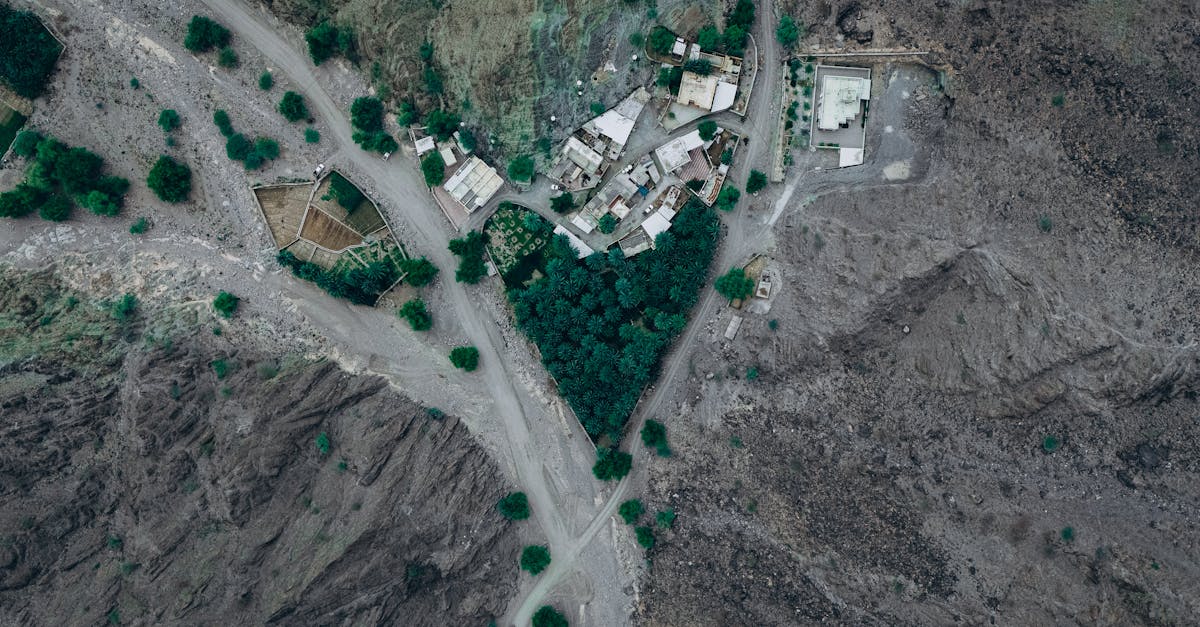 This photo was taken by Eslam Mohammed Abdelmaksoud on Pexels.
Welcome to the beating heart of Spanish architecture, where every stone tells a story of centuries past and artistic revolution. From the soaring, organic curves of Barcelona to the intricate geometric mosaics of Andalusia, our journey will take you through a landscape defined by breathtaking diversity. In this post, we will explore Antoni Gaudí's surreal masterpieces that defy gravity, step inside the enchanting Moorish palaces of the Alhambra and the Mezquita of Cordoba, and discover how Gothic, Renaissance, and Baroque styles intertwine in our historic cities. Get ready to uncover the architectural wonders that make Spain a true open-air museum.
The Masterpieces of Antoni Gaudí: A Modernist Journey
At the heart of Barcelona's architectural soul lies the breathtaking legacy of Antoni Gaudí, a visionary whose organic forms and vibrant colors have redefined modernism. His magnum opus, the Sagrada Família, stands as a testament to this unique style, where towering spires reach toward the heavens like giant stone trees, illuminated by stained glass that bathes the interior in a kaleidoscope of light. Walking through his other masterpieces, such as Casa Batlló and Park Güell, visitors are transported into a whimsical world where nature and architecture merge seamlessly; undulating facades mimic ocean waves, while colorful mosaic benches invite you to rest amidst living gardens. This journey is not merely about observing buildings but experiencing a sensory immersion into Gaudí's dreamlike interpretation of faith, nature, and Catalan identity.
While Gaudí's work dominates the skyline of Catalonia, it serves as a dynamic bridge connecting Spain's diverse architectural history, from the bold lines of the 20th century back to the intricate elegance of Moorish palaces. The contrast between Gaudí's fluid, nature-inspired curves and the geometric precision of the Alhambra in Granada or the Alcázar of Seville creates a fascinating narrative of cultural fusion that defines Spanish heritage. As you traverse these sites, you witness how centuries of artistic evolution—from Islamic geometric patterns to Art Nouveau flourishes—have coalesced into a rich tapestry of design. This modernist journey invites travelers to appreciate not just individual structures, but the enduring spirit of innovation that has shaped Spain's built environment, making every corner of the country a living museum of human creativity.
 This photo was taken by Greta Hoffman on Pexels.
Moorish Magic: Exploring the Alhambra and Cordoba's Mezquita
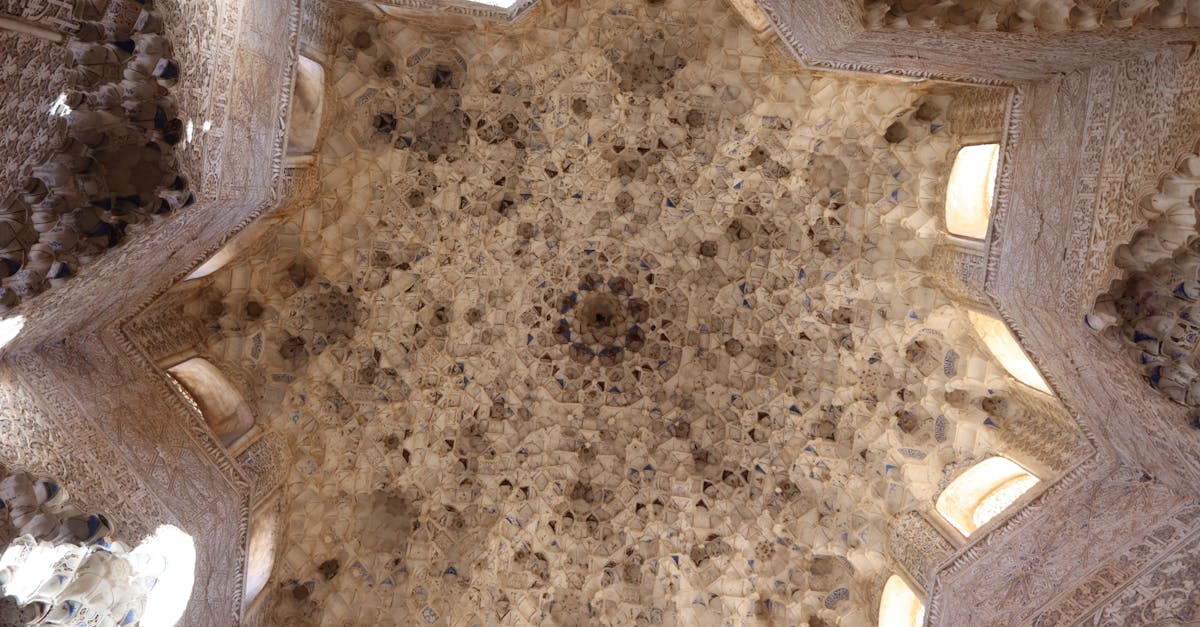
Journey back to the golden age of Al-Andalus as you step into the breathtaking realms of the Alhambra in Granada and the Great Mosque of Córdoba. The Alhambra, a sprawling fortress-palace complex perched on the Sabika Hill, offers an enchanting blend of intricate stucco work, geometric tile mosaics, and serene courtyards like the Court of the Lions, where water dances beneath arches adorned with delicate calligraphy. Just a short distance away, Córdoba's Mezquita-Catedral presents a stunning architectural paradox; what began as a vast hypostyle forest of over 800 red-and-white striped columns has been seamlessly integrated with a Renaissance cathedral at its heart, creating a visual dialogue between Islamic artistry and Christian devotion that leaves visitors in awe.
Walking through these monumental sites is akin to reading a history book written in stone and light, where every archway and fountain tells a story of cultural synthesis and artistic mastery. In the Alhambra, the interplay of shadow and sunlight across the Nasrid Palaces creates a magical atmosphere that shifts with the hour, while the expansive gardens of the Generalife offer a tranquil escape filled with blooming orange trees and whispering fountains. Similarly, inside the Mezquita, the sheer scale of the prayer hall, with its rhythmic repetition of horseshoe arches leading the eye toward the mihrab, evokes a profound sense of spiritual grandeur. Together, these Moorish treasures not only showcase the pinnacle of Islamic architecture in Europe but also serve as enduring testaments to the rich, layered heritage that defines much of southern Spain's soul.
 This photo was taken by José Manuel on Pexels.
A Fusion of Eras: Where Gothic, Renaissance, and Baroque Meet
As you wander through the historic heart of Spain, you will discover a breathtaking architectural tapestry where the soaring verticality of Gothic cathedrals seamlessly transitions into the harmonious proportions of the Renaissance and the dramatic opulence of the Baroque. Cities like Toledo and Salamanca serve as open-air museums where centuries of artistic evolution are preserved in stone; here, the intricate tracery of medieval windows frames elegant courtyards adorned with classical columns, while nearby chapels burst with ornate golden altarpieces that seem to defy gravity. This layered history is not merely a collection of styles but a living dialogue between eras, inviting visitors to trace the footsteps of master builders who sought to capture the divine through evolving aesthetics.
What makes this fusion so unique is how these distinct periods coexist without clashing, creating a visual rhythm that tells the story of Spain's cultural resilience and transformation. In places like Seville, the modest simplicity of early structures provides a stunning backdrop for the flamboyant curves of later additions, allowing light to dance across surfaces that have witnessed centuries of change. Whether you are tracing the shadowed arches of a 12th-century cloister or marveling at the swirling stucco work of a 17th-century church facade, each step reveals a new chapter in Spain's architectural narrative, proving that the past is never truly gone but rather reimagined by every generation that calls this vibrant land home.
 This photo was taken by Caique Araujo on Pexels.