Architecture Without Borders: From Alhambra to Sagrada Família
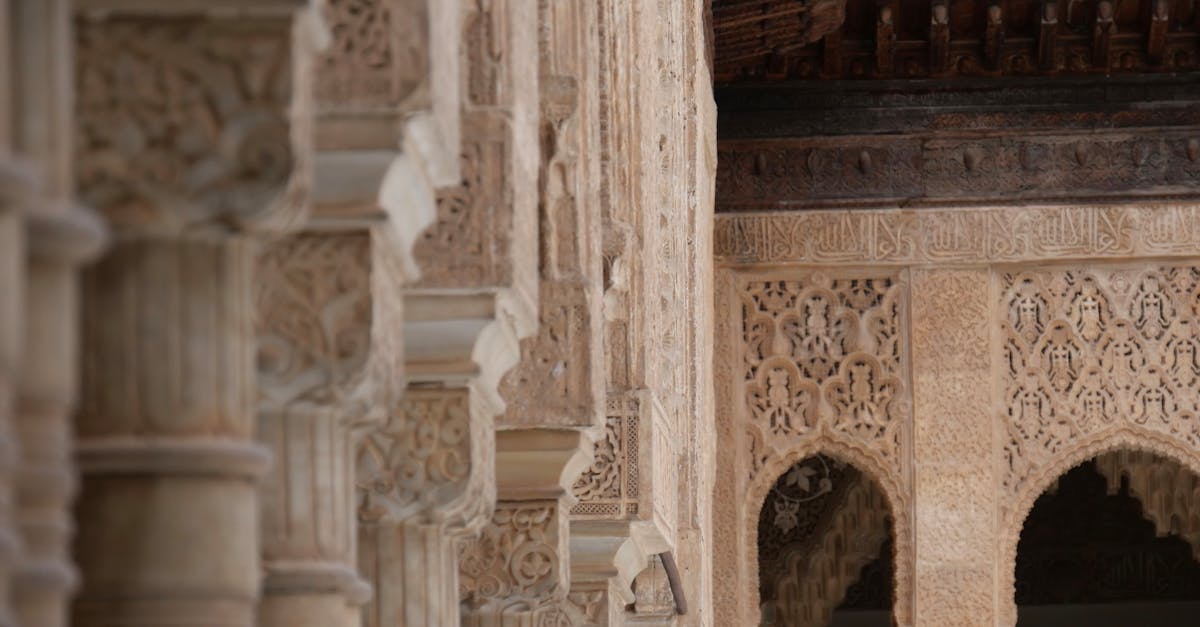 This photo was taken by Dirk Pothen on Pexels.
Welcome to the heart of Spain, where every stone tells a story and every skyline whispers a history of cultural convergence. As your guide through this land of endless wonder, I invite you on a journey that transcends time and geography, exploring an architectural narrative defined by its lack of borders. From the intricate geometric dances of the Alhambra's desert palace to the soaring, organic spires of Barcelona's Sagrada Família, we will uncover how distinct civilizations have woven their unique threads into a single, breathtaking tapestry. Join me as we walk through Moorish mastery, marvel at Gaudí's divine vision, and discover the timeless dialogue where Islamic, Gothic, and Modernist styles meet in perfect harmony.
Moorish Mastery: The Geometric Elegance of the Alhambra
Nestled within the Sierra Nevada foothills, the Alhambra stands as a breathtaking testament to Moorish mastery, where geometry transcends mere decoration to become a spiritual language. As you wander through the Court of the Lions and the Hall of the Two Sisters, your eyes are drawn to intricate stucco work and carved cedar ceilings that seem to dissolve into infinity. These endless arabesques, built upon complex mathematical principles of symmetry and repetition, were designed not just to dazzle the senses but to evoke the infinite nature of the divine, creating an atmosphere of serene contemplation amidst the vibrant Andalusian sun.
The true elegance of this Nasrid palace lies in its seamless integration with nature, where water acts as a living mirror reflecting the delicate latticework above. Every tile, every arch, and every window frame follows a precise geometric rhythm that guides the visitor's gaze across walls adorned with calligraphy from the Quran, blending poetry with pattern. This architectural harmony, achieved centuries before modern design theories existed, offers a profound contrast to the organic chaos of the surrounding city, inviting travelers to pause and marvel at a civilization that turned stone and light into a timeless masterpiece of order and beauty.
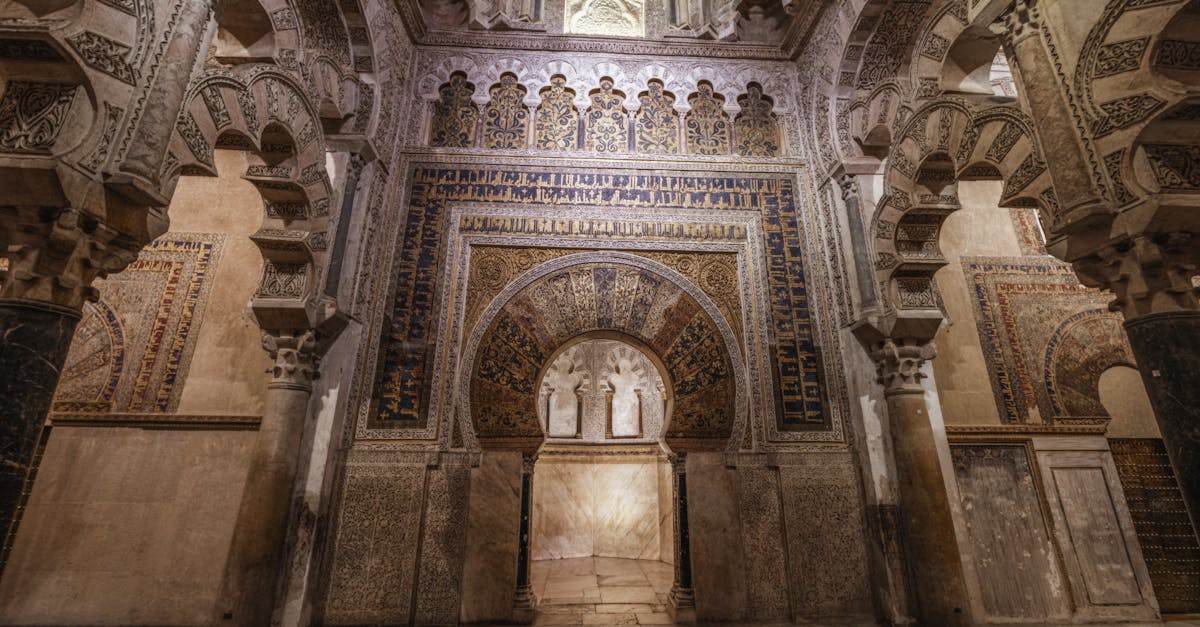 This photo was taken by Rino Adamo on Pexels.
Gaudí's Vision: Organic Forms and Spiritual Light in Barcelona
Navigating the vibrant streets of Barcelona, one cannot help but feel as though they are walking inside a living sculpture, a testament to Antoni Gaudí's revolutionary vision where architecture transcends rigid geometry to embrace the fluidity of nature. His masterpieces, most notably the Sagrada Família, reject straight lines in favor of organic forms that mimic the twisting branches of trees and the undulating curves of the sea, creating spaces that feel less like man-made structures and more like geological formations brought to life. This unique approach transforms stone and glass into a dialogue with the natural world, inviting visitors to see the city not merely as a collection of buildings, but as an extension of the earth itself, where every arch and column whispers stories of growth and resilience.
Beyond his structural innovations, Gaudí was a master of manipulating spiritual light, treating illumination as a sacred material capable of evoking divine presence within the secular realm. In the Sagrada Família, he engineered a complex system of stained glass windows that bathes the interior in a kaleidoscope of colors, shifting from cool blues and greens at dawn to warm reds and oranges at sunset, effectively turning the nave into a dynamic canvas of celestial energy. This interplay of light and form creates an atmosphere of profound transcendence, guiding the visitor's gaze upward toward the heavens and reinforcing the idea that true architectural beauty lies in its ability to connect the human spirit with something greater, seamlessly blending faith, art, and the organic rhythms of life.
 This photo was taken by Erik Mclean on Pexels.
A Timeless Dialogue: Where Islamic, Gothic, and Modernist Styles Converge
Stepping through the streets of cities like Seville, Granada, or Barcelona feels like walking through an open history book where every stone tells a story of cultural fusion. The intricate stucco work and geometric mosaics of Islamic heritage, born from centuries of Al-Andalus rule, do not merely sit alongside Gothic cathedrals but often form their very foundation, creating a visual conversation that defies strict stylistic boundaries. You can witness this seamless blend in the Mudéjar architecture found throughout Spain, where Christian builders adopted Moorish craftsmanship to create breathtaking palaces and churches, proving that these distinct traditions were never truly separate but rather interwoven threads in the nation's rich tapestry.
This architectural dialogue reaches its modern crescendo when you look toward the visionary works of Antoni Gaudí, whose organic forms in the Sagrada Família and Park Güell breathe new life into Catalonia while respecting the spiritual gravity of the past. Gaudí did not simply reject tradition; he reinterpreted it, infusing the structural logic of Gothic vaulting with a fluidity inspired by nature and the ornate complexity of Islamic patterns. As a guide, I invite you to trace this evolution from the serene courtyards of the Alhambra to the soaring spires of Barcelona, realizing that Spanish architecture is a timeless testament to how diverse influences can converge to create something entirely unique and profoundly beautiful.
 This photo was taken by Caique Araujo on Pexels.