Architecture Walks: From Gothic Cathedrals to Modernist Masterpieces
 This photo was taken by Michael D Beckwith on Pexels.
Welcome to the heart of Spain, where every stone tells a story and every skyline whispers a different era. As your guide through this sun-drenched land, I invite you to step away from the typical tourist trail and into an open-air museum that spans centuries of human ingenuity. From the soaring vaults and intricate tracery of medieval Gothic cathedrals that pierce the sky in cities like León and Burgos, to the vibrant, flowing curves of Antoni Gaudí's Modernist masterpieces that redefine Barcelona, our journey is one of awe-inspiring transformation. In this post, we will trace the enduring legacy of ancient stonework, explore the organic revolution of Catalonia's unique style, and walk the path where history meets innovation across the diverse architectural eras of our beloved country. Get ready to look up, look closer, and discover the timeless beauty hidden in plain sight.
Tracing the Stone Legacy of Gothic Cathedrals
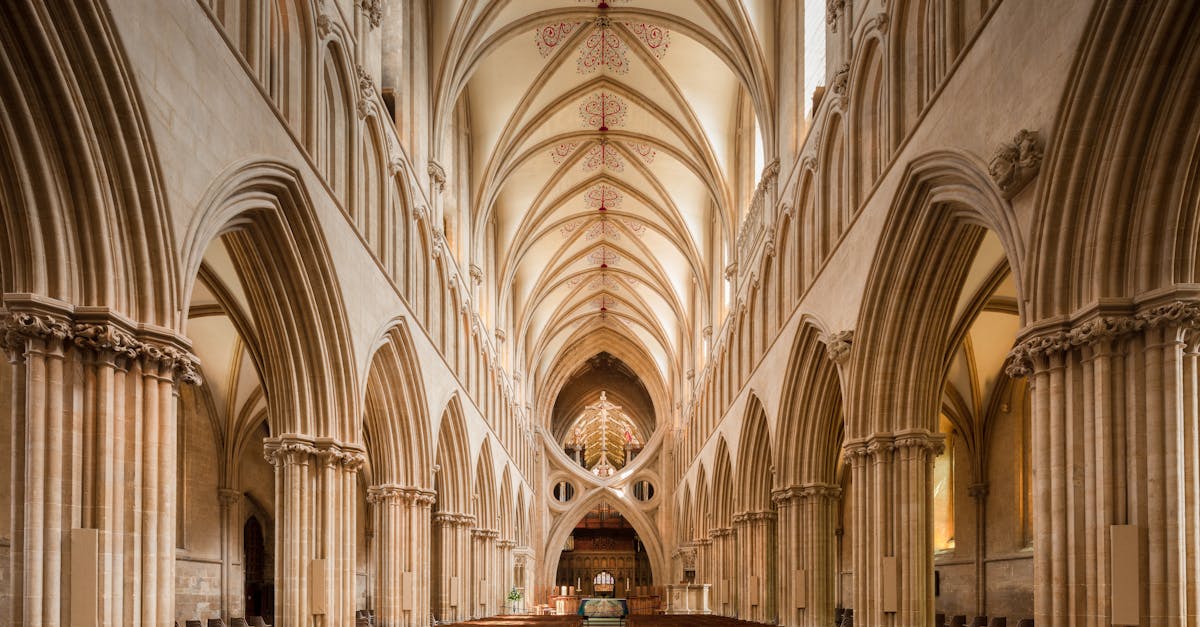
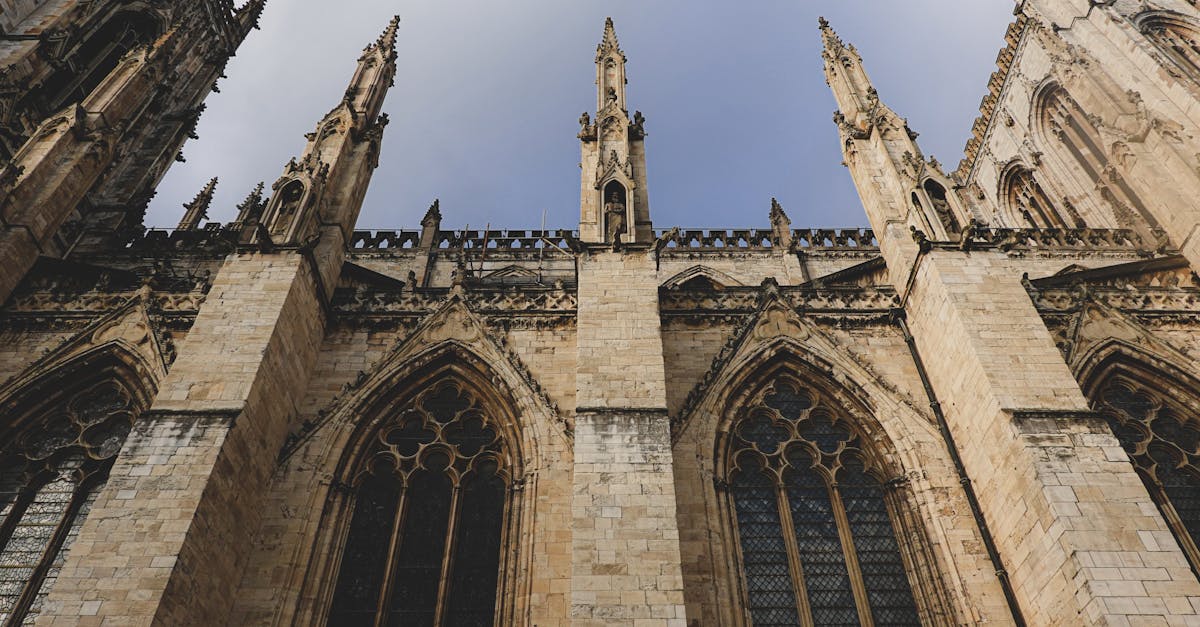
Stepping into the shadowed grandeur of Spain's Gothic cathedrals is like entering a stone forest where light and faith dance in eternal harmony. From the soaring vaults of Burgos, which seem to defy gravity with their intricate ribbing, to the luminous rose windows of Seville that bathe the nave in celestial color, these structures are more than mere buildings; they are testaments to a medieval obsession with reaching toward the heavens. As you trace the weathered facades adorned with biblical narratives carved in high relief, you can almost hear the whispers of centuries of pilgrims who once sought solace within these sacred walls, marveling at how master masons transformed heavy limestone into ethereal lace without the aid of modern engineering.
The journey through these architectural marvels reveals a unique Spanish evolution of the Gothic style, blending French rigor with local Moorish influences and Renaissance flourishes that give each cathedral its distinct personality. In Toledo, the interplay of light filtering through stained glass creates an atmosphere of solemn mystery, while in Barcelona, the unfinished yet breathtaking facade of La Sagrada Família (though technically Neo-Gothic) echoes this legacy with its organic, tree-like columns. Walking these historic streets allows travelers to appreciate not just the monumental scale, but the intimate details—the gargoyles watching over the plaza, the quiet cloisters where silence reigns supreme, and the enduring spirit of craftsmanship that continues to inspire awe in every visitor fortunate enough to stand beneath their arches.
 This photo was taken by Reuben K Sam on Pexels.
The Organic Revolution: Exploring Modernist Barcelona
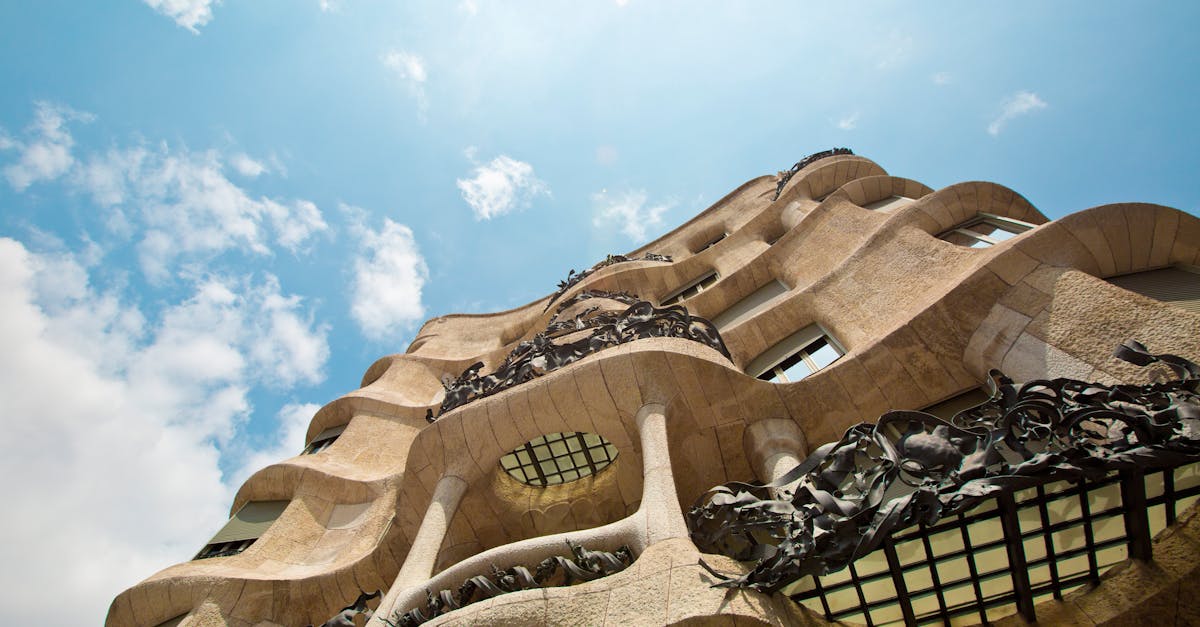
While Barcelona's Gothic Quarter offers a mesmerizing glimpse into medieval history, the city truly comes alive when you step into the late 19th and early 20th-century Organic Revolution known as Modernism. This artistic movement transformed the urban landscape into an open-air museum where stone seems to breathe and iron dances with light. As you wander through the Eixample district, look up to admire the undulating facades of Antoni Gaudí's creations, such as Casa Batlló and La Pedrera, which reject rigid geometric lines in favor of organic forms inspired by nature. These structures are not merely buildings but living organisms, featuring skeletal balconies, dragon-like roofs, and interiors that flow like water, embodying the Catalan spirit of innovation and freedom.
Beyond Gaudí's iconic masterpieces, this architectural revolution was a collective effort by visionary artists who integrated sculpture, stained glass, and ceramics into their designs to create a total work of art. Walking along Passeig de Gràcia or exploring the hidden courtyards of Llotja de Mar reveals how architects like Lluís Domènech i Montaner and Josep Puig i Cadafalch embraced the "organic" philosophy, using natural motifs to soften the industrial city. Each corner tells a story of a time when Barcelona was determined to redefine itself on the global stage, turning everyday streets into a symphony of curves and colors. For the modern traveler, these districts offer more than just visual splendor; they provide a profound connection to a cultural era that believed architecture could heal society and celebrate the beauty of the natural world.
 This photo was taken by tyler hendy on Pexels.
Where History Meets Innovation: A Journey Through Spain's Architectural Eras
Embarking on an architectural walk through Spain is akin to turning the pages of a living history book, where every stone tells a story of conquest, faith, and cultural fusion. Begin your journey in the heart of old cities like Toledo or Burgos, where towering Gothic cathedrals pierce the skyline with their intricate tracery and soaring vaults, standing as testaments to the medieval era's profound devotion. These majestic structures, often blending Mudéjar influences with French Gothic styles, invite you to step back in time, tracing the lines of centuries-old craftsmanship that define the Spanish soul. As you wander through narrow cobblestone streets, the shadow of the past seems to linger, offering a tangible connection to the diverse civilizations that shaped this vibrant nation.
Yet, Spain's architectural narrative does not end in antiquity; it bursts forth into the dazzling light of innovation, particularly in Barcelona where Antoni Gaudí redefined the very essence of modernism. Here, nature and geometry dance together in whimsical forms, from the undulating curves of Casa Batlló to the forest-like columns of La Sagrada Família, proving that tradition can evolve into something breathtakingly new. This seamless transition from the solemn grandeur of historic cathedrals to the playful, organic energy of 20th-century masterpieces illustrates Spain's unique ability to honor its roots while boldly embracing the future, making every city a dynamic canvas where the past and present coexist in perfect harmony.
 This photo was taken by Matej on Pexels.