Architecture Unveiled: Walking the Streets of Gaudí's Barcelona
 This photo was taken by Erik Mclean on Pexels.
Welcome to Barcelona, a city where the very stones seem to breathe and dance with life. As your local guide, I invite you to step beyond the postcard views and discover the magic woven into every cobblestone by the visionary Antoni Gaudí. In this journey through "Architecture Unveiled," we will wander hand-in-hand through the streets of his masterpieces, exploring how he blurred the lines between nature, faith, and design. From the whimsical, bone-like curves of Casa Batlló, which feels like a living organism, to the mosaic-covered terraces of Park Güell that mimic the organic patterns of the forest, each stop reveals a new layer of wonder. Finally, we will gaze upward at the unfinished symphony of light and stone in the Sagrada Família, where spiritual aspirations reach toward the heavens. Get ready to have your perspective on architecture forever changed as we uncover the secrets hidden within Gaudí's extraordinary vision.
The Iconic Facades of Casa Batlló
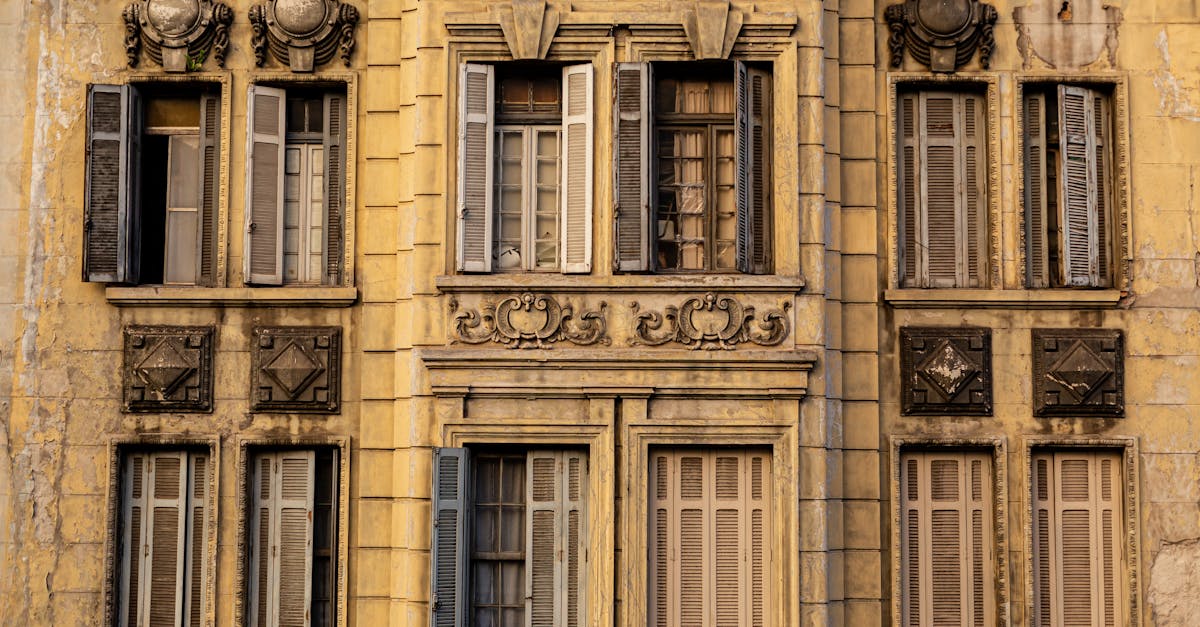
Stepping onto Passeig de Gràcia, the eye is immediately drawn to Casa Batlló, a masterpiece where Antoni Gaudí abandoned rigid geometry for organic fluidity. The facade appears almost alive, with its undulating limestone walls mimicking the scales of a dragon's back and balconies that resemble skeletal masks gazing out at the city. Above, the roofline creates a dramatic silhouette against the sky, culminating in the famous "dragon spine" chimney stacks that seem ready to breathe fire, all bathed in a mosaic of shattered ceramic tiles known as trencadís which shimmer in the Mediterranean sun like iridescent fish scales.
The building's exterior is not merely decorative but deeply symbolic, telling the legend of Saint George slaying the dragon to save the princess of Barcelona. As you walk along the street, the interplay of light and shadow on the wrought-iron railings and the colorful glass windows reveals a texture that changes with every hour of the day, inviting visitors to imagine the structure breathing. This iconic facade stands as a testament to Gaudí's revolutionary vision, transforming a traditional urban dwelling into a soaring sculpture that challenges our perception of what architecture can be, making it an essential stop for any traveler exploring the soul of Catalan Modernism.
 This photo was taken by Marcelo Chagas on Pexels.
Nature's Geometry at Park Güell
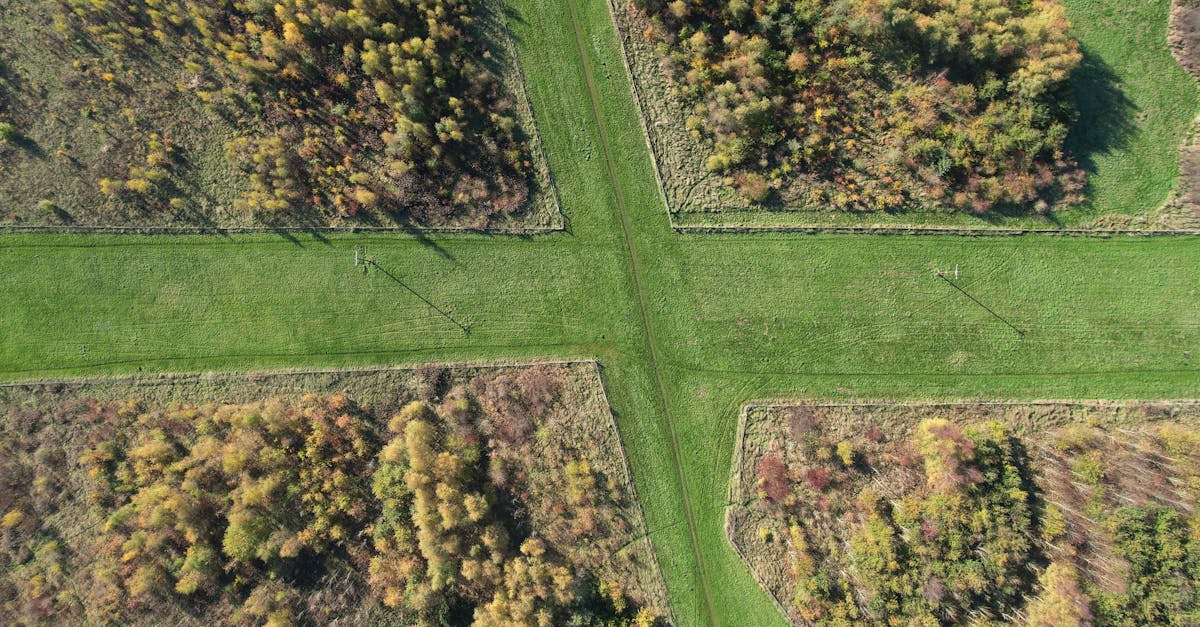
Stepping into Park Güell is akin to entering a living sculpture where the rigid lines of conventional geometry dissolve into Gaudí's organic vision. The famous serpentine bench, draped in vibrant trencadís mosaics, curves organically along the hillside, mimicking the flow of a river or the spine of a giant creature rather than adhering to strict architectural angles. Here, nature and artistry merge seamlessly; the stone columns supporting the porticoes are designed to resemble massive tree trunks, creating a forest-like canopy that filters the sunlight into dappled patterns on the ground, proving that for Gaudí, even man-made structures should obey the laws of the natural world.
As you wander through the park's winding pathways, you will discover how Gaudí utilized geometric principles not to impose order, but to harmonize with the rugged topography of Carmel Hill. The layout avoids right angles entirely, favoring hyperbolic paraboloids and catenary arches that distribute weight with mathematical elegance while echoing the shapes found in shells, bones, and plant life. This unique approach transforms the landscape into a three-dimensional puzzle where every curve serves a structural purpose, offering visitors a breathtaking vantage point over Barcelona framed by an environment that feels both meticulously planned and wildy untamed.
 This photo was taken by Declan Conor on Pexels.
The Spiritual Spires of Sagrada Família
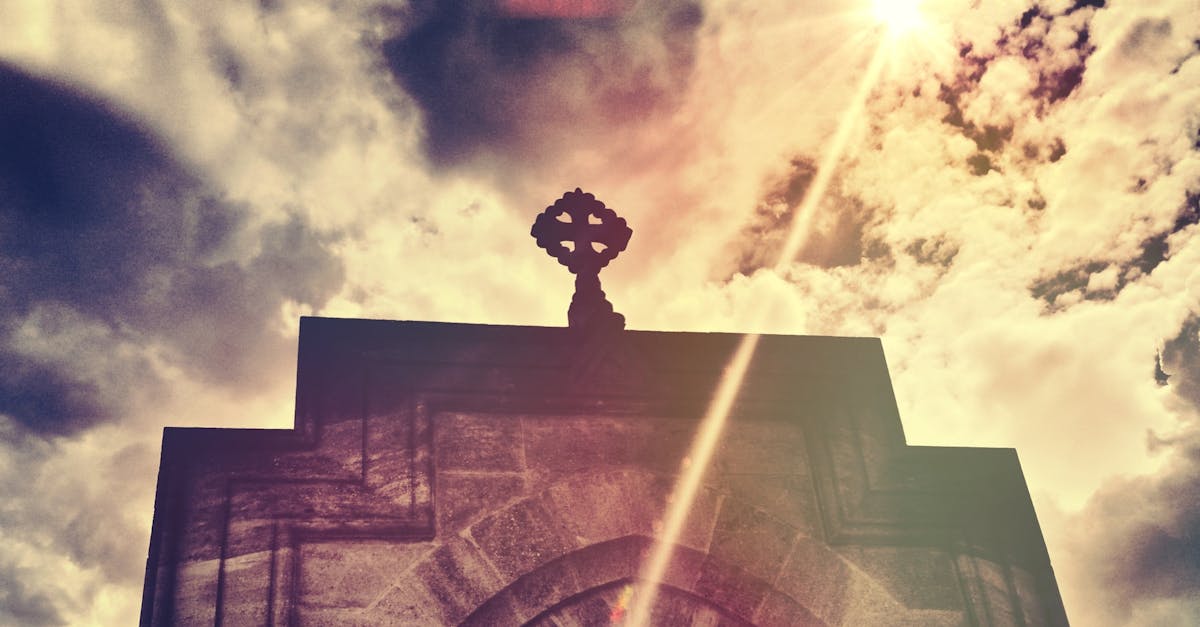
As you stand before the towering, unfinished masterpiece of Antoni Gaudí's Sagrada Família, you are not merely observing a building but witnessing a symphony of stone and light that has been composing itself since 1882. The facade dedicated to the Nativity bursts with organic forms, where every column mimics a tree trunk branching out to support a canopy of leaves, while the Passion facade presents a stark, angular contrast that speaks to raw emotion. Inside, the forest-like interior transforms the cathedral into a living organism; sunlight filters through stained glass windows in a kaleidoscope of colors, shifting from the cool blues and greens of dawn to the fiery oranges and reds of dusk, creating an atmosphere so immersive it feels as though the very air is vibrating with spiritual energy.
Despite being over a century in the making, this basilica remains a testament to Gaudí's visionary belief that architecture should be a direct expression of nature and faith, a philosophy that continues to inspire awe in visitors from around the globe. The intricate details, from the honeycomb ceiling patterns to the sculpted biblical scenes, invite you to slow down and contemplate the divine, turning a simple walk through Barcelona into a profound journey of discovery. As you explore the museum within the towers or simply gaze upward at the spires piercing the Catalan sky, you realize that the Sagrada Família is more than just a tourist attraction; it is a living prayer, a unique fusion of art, science, and spirituality that defines the soul of Gaudí's Barcelona.
 This photo was taken by Suzy Hazelwood on Pexels.