Architecture Unveiled: Gaudi's Masterpieces in Catalonia
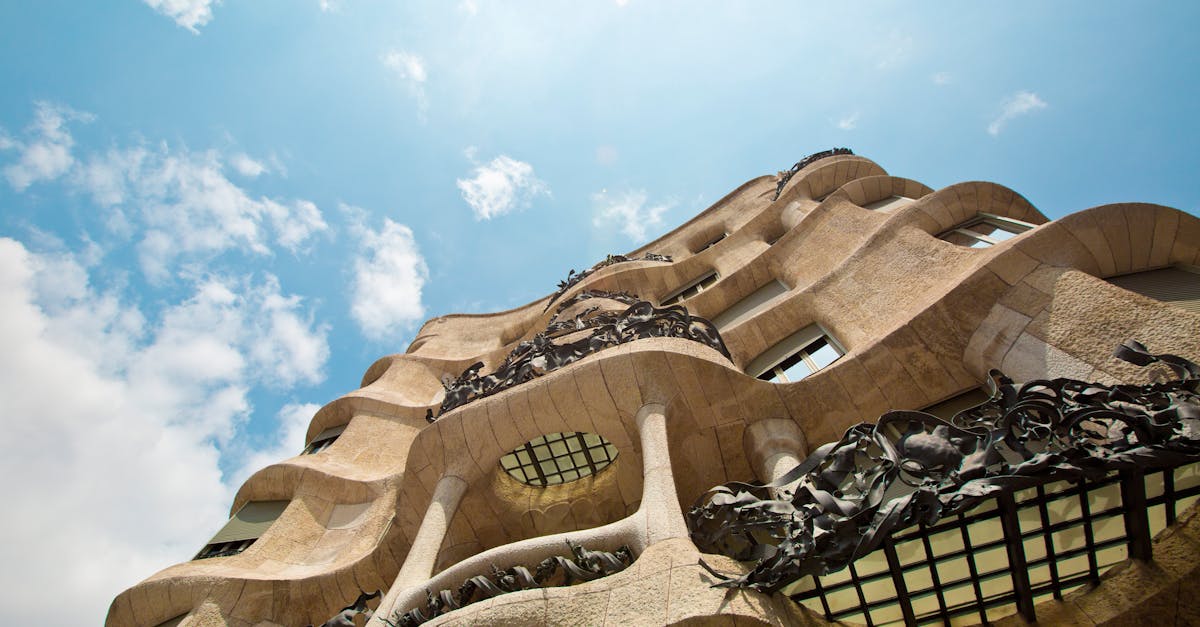 This photo was taken by tyler hendy on Pexels.
Welcome, travelers! As your local guide through the sun-drenched landscapes of Catalonia, I am thrilled to invite you on a journey where stone seems to breathe and colors dance in harmony with nature. In this post, Architecture Unveiled: Gaudí's Masterpieces in Catalonia, we will step inside the mind of Antoni Gaudí, the visionary whose work has redefined the very essence of Modernism. From the soaring, unfinished symphony of La Sagrada Família to the whimsical mosaics of Park Güell, prepare to discover how one man turned Barcelona into an open-air museum. Let us explore these organic revolutions and modernist marvels that continue to captivate visitors from around the globe.
The Organic Revolution: Inside La Sagrada Família
While the towering spires of La Sagrada Família often dominate discussions on Gaudí's structural genius, a quieter yet profound revolution is unfolding within its very stones: an organic movement that bridges the gap between nature and spirituality. Unlike the rigid geometry of traditional Gothic cathedrals, Gaudí designed this basilica to breathe like a living forest, where columns branch out like trees to support a canopy of light-filtering stained glass. This architectural philosophy has evolved into a modern ecological statement, with recent restoration efforts utilizing advanced 3D printing and sustainable materials that honor the original vision while minimizing environmental impact. As you walk through the nave, you are not merely observing a building; you are immersed in a dynamic ecosystem where light, stone, and nature converge to create a space that feels as ancient as it is futuristic.
The ongoing construction itself serves as a testament to this organic revolution, blending centuries-old craftsmanship with cutting-edge technology to ensure the structure stands for another hundred years without compromising its natural aesthetic. Local artisans continue to hand-carve intricate floral motifs inspired by Catalan flora, ensuring that every detail remains rooted in the earthy textures of Catalonia's landscape rather than abstract industrial forms. For the modern traveler, visiting the site offers more than just a glimpse into art history; it provides a unique perspective on how architecture can evolve sustainably, respecting both the past and the planet. As you ascend to the towers, keep an eye out for the subtle integration of solar panels and rainwater collection systems hidden within the stonework, proving that even a masterpiece dedicated to divine glory can lead the way in our contemporary fight for a greener future.
 This photo was taken by Erik Mclean on Pexels.
A Colorful Playground: Exploring Park Güell
Stepping into Park Güell is like entering a surreal dreamscape where the rigid lines of conventional architecture dissolve into Gaudí's organic, flowing forms. The iconic serpentine bench, covered in vibrant trencadís mosaics of broken ceramic tiles, invites visitors to sit and soak in panoramic views of Barcelona that stretch from the Mediterranean Sea to the distant mountains. Every corner reveals a whimsical detail, from the gingerbread-like pavilions at the entrance to the towering columns of the Hypostyle Hall, which seem to mimic the trunks of ancient trees supporting a forest canopy. This UNESCO World Heritage site is not merely a park but a colorful playground where nature and artistry merge seamlessly, offering a sensory experience that captures the very soul of Catalan modernism.
As you wander through the winding paths shaded by lush vegetation, you will discover how Gaudí masterfully integrated the natural topography into his design, ensuring that the built environment feels as though it has grown out of the hillside itself. The interplay of light and shadow across the kaleidoscope of colors creates a dynamic atmosphere that changes with every hour of the day, making it an endless source of inspiration for photographers and artists alike. Whether you are marveling at the intricate dragon sculpture guarding the main staircase or simply finding a quiet spot to enjoy the breeze, Park Güell offers a unique escape from the urban bustle, proving that Gaudí's vision extends far beyond buildings to encompass the very landscape we inhabit.
This photo was taken by Erik Mclean on Pexels.
Modernist Marvels Beyond Barcelona
While Barcelona undoubtedly claims the crown for Antoni Gaudí's most famous works, the spirit of Catalan Modernism breathes through other cities in the region with equal fervor. In Tarragona and Reus, you can wander past the elegant facades of Josep Puig i Cadafalch's creations, where intricate brickwork and sculptural details tell stories of a prosperous industrial era without the overwhelming crowds found on La Rambla. These architectural gems offer a more intimate glimpse into the movement, allowing visitors to appreciate how local artisans adapted Gaudí's organic forms to suit their own unique regional identities, creating a tapestry of design that extends far beyond the city limits.Venturing further inland to towns like Sitges or Vic reveals even more hidden treasures, where churches and civic buildings showcase the fluid lines and nature-inspired motifs that define the style. Here, the interplay of light and shadow on colorful ceramic mosaics creates an enchanting atmosphere that feels both timeless and vibrantly alive, inviting travelers to slow down and truly observe the craftsmanship. By exploring these lesser-known sites, you discover that the modernist revolution was not confined to a single metropolis but was a widespread cultural awakening that transformed the entire landscape of Catalonia into an open-air museum of artistic innovation. This photo was taken by Jan van der Wolf on Pexels.