Architecture Lover's Guide: Gaudí, Moorish Palaces, and Modernism
 This photo was taken by Jan van der Wolf on Pexels.
Welcome, fellow explorers! If your heart beats in rhythm with stone and steel, Spain offers an architectural tapestry unlike any other on Earth. From the whimsical, nature-inspired curves of Antoni Gaudí to the intricate geometric beauty of Moorish palaces that once defined Al-Andalus, our history is written in breathtaking structures. In this guide, we will take you on a journey walking through Gaudí's organic dreams in Barcelona, tracing the enduring Moorish legacy across the south, and unveiling the stunning Modernist masterpieces that define Spanish identity. Get ready to marvel at the genius of the past as we explore the very soul of Spain, one building at a time.
Walking Through Gaudí's Organic Dreams
Step into the surreal landscape of Barcelona, where Antoni Gaudí's vision transcends mere architecture to become a living, breathing organism. Walking through Park Güell or along the undulating facades of Casa Batlló feels less like touring a city and more like wandering inside a dream sculpted from stone, tile, and light. Gaudí rejected the rigid straight lines of traditional design, opting instead for curves that mimic the spirals of seashells, the bones of animals, and the flow of nature itself. As you trace the colorful mosaic trencadís and gaze up at the skeletal balconies that resemble masks, you will understand why his work is often described as "organic," blurring the boundary between the built environment and the natural world in a way that leaves visitors breathless.
These organic dreams are not confined to parks; they permeate the very soul of the city's most iconic landmarks, inviting you to explore every nook and cranny with a sense of wonder. Inside La Sagrada Família, the forest-like columns branch out overhead, creating a canopy of light that filters through stained glass windows to paint the interior in shifting hues of gold, blue, and red, simulating the dappled sunlight of a Mediterranean grove. For the architecture lover, this journey is an immersive lesson in Modernism, where structural innovation meets poetic expression. Whether you are running your hands over the rough-hewn stone of the Nativity façade or marveling at the intricate ironwork of the wrought-iron gates, Gaudí's legacy offers a timeless reminder that buildings can be as fluid and dynamic as life itself.
 This photo was taken by Eslam Mohammed Abdelmaksoud on Pexels.
Tracing the Moorish Legacy in Al-Andalus
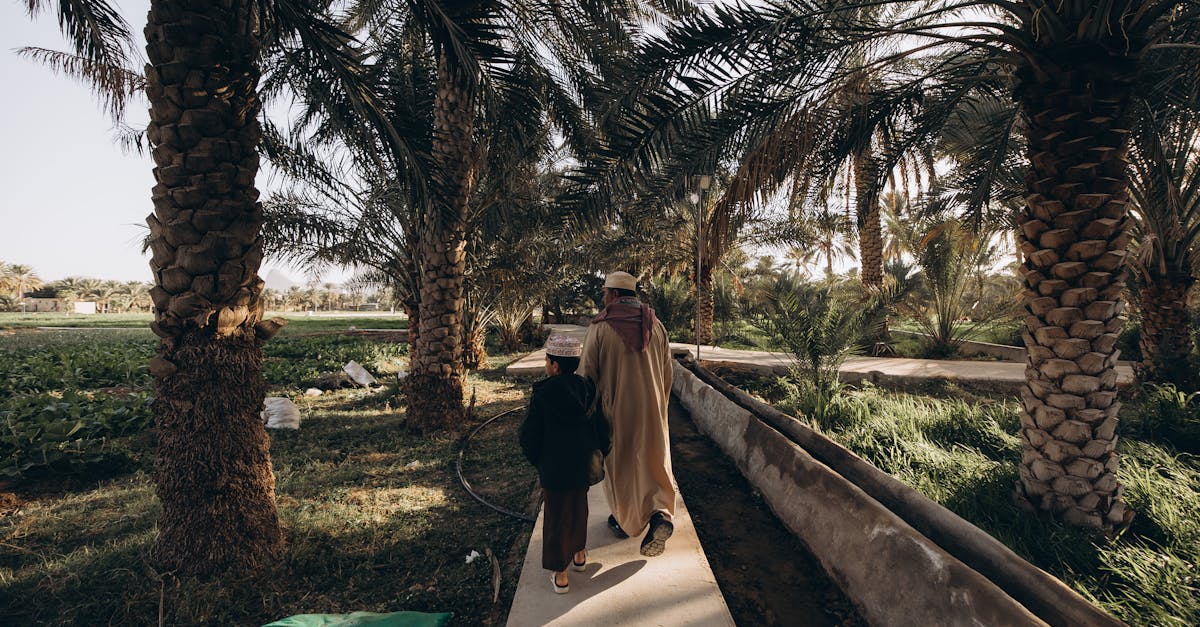
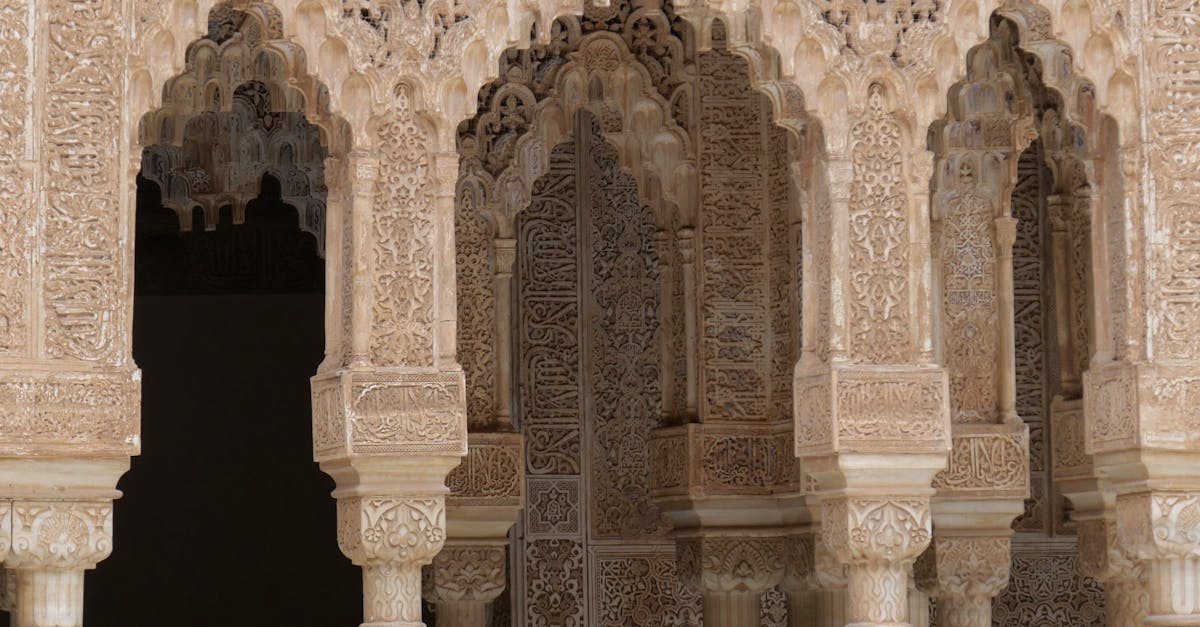
Stepping into the heart of Al-Andalus is like walking through a living history book where Islamic artistry seamlessly blends with Spanish soul, creating architectural wonders that have stood the test of time. The Alhambra in Granada stands as the crown jewel of this legacy, its intricate stucco work, serene courtyards, and whispering fountains offering a glimpse into the sophisticated court life of the 13th century. As you wander through the Generalife gardens or trace the geometric patterns on the walls of the Mezquita-Catedral in Córdoba, you will feel the profound influence of the Moors who shaped Spain's cultural identity for nearly eight centuries, leaving behind a visual language of light, water, and symmetry that continues to captivate visitors from around the globe.
Beyond these iconic monuments, the Moorish footprint extends across Andalusia in hidden gems like the Alcázar of Seville, where mudéjar craftsmanship creates an ethereal atmosphere of arches and tiles that defy description. These structures are not merely relics of a bygone era but vibrant testaments to a civilization that mastered the art of transforming harsh desert landscapes into lush paradises through ingenious hydraulic engineering and ornate decoration. For architecture enthusiasts, understanding this period provides essential context for appreciating the subsequent layers of Spanish design, revealing how the interplay between Christian, Jewish, and Muslim traditions forged a unique aesthetic that remains the beating heart of Spain's tourist appeal today.
 This photo was taken by Dirk Pothen on Pexels.
Unveiling Spain's Modernist Masterpieces
While Barcelona is often synonymous with the whimsical curves of Antoni Gaudí, Spain's Modernist movement extends far beyond the Sagrada Família and Casa Batlló to reveal a tapestry of urban renewal that defined an era. As you wander through the Eixample district, observe how architects like Lluís Domènech i Montaner infused buildings such as the Palau de la Música Catalana with vibrant stained glass and organic forms that seem to dance in the sunlight. This architectural revolution was not merely aesthetic; it was a bold declaration of Catalan identity and progress, transforming cities into open-air museums where every iron balcony, ceramic mosaic, and sculpted facade tells a story of innovation and artistic freedom.
However, to truly understand the depth of Spanish architectural heritage, one must look back to the Moorish influences that laid the groundwork for these modern expressions, creating a unique dialogue between past and present. In Seville, the Real Alcázar stands as a breathtaking testament to Mudéjar art, where intricate stucco work and serene courtyards inspired later generations to blend Islamic geometric precision with contemporary design. By tracing this lineage from the Alhambra's whispering halls to the bustling plazas of Madrid and Valencia, travelers discover that Spain's modernism is not a break from history, but rather a glorious evolution that honors its diverse cultural roots while embracing the future.
 This photo was taken by Siarhei Nester on Pexels.