Architectural Wonders: Gaudí's Masterpieces and Beyond
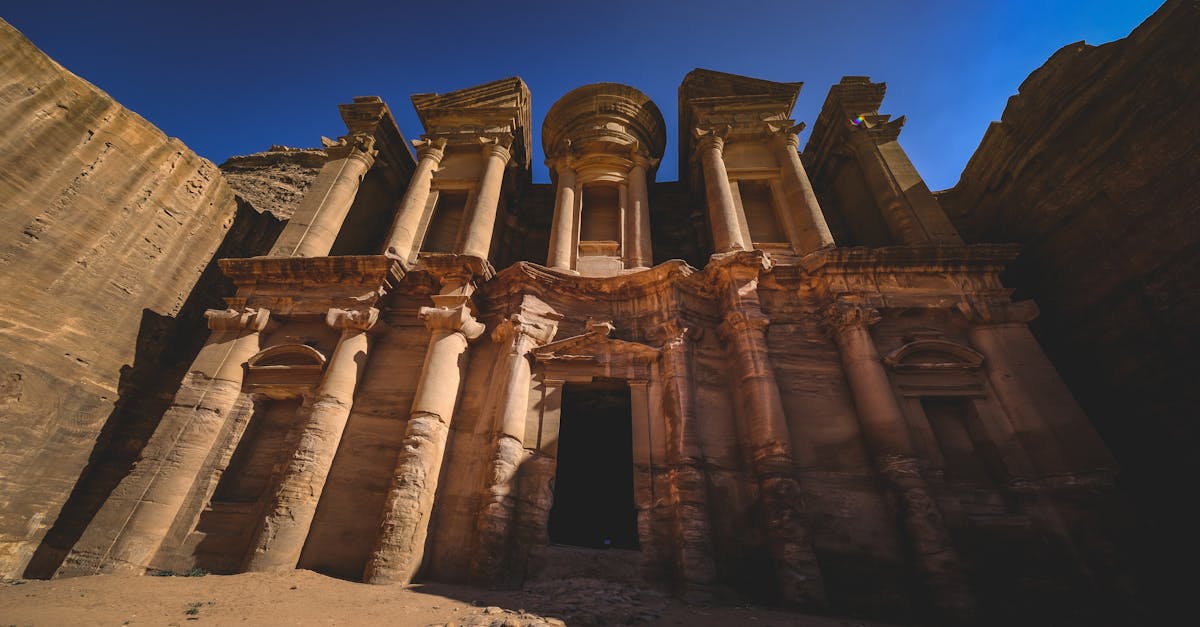 This photo was taken by Francesco Ungaro on Pexels.
Welcome to the heart of Catalonia, where the very stones seem to breathe with life and imagination knows no bounds. As your guide through Spain's most vibrant cultural landscape, I invite you to step into a world where architecture transcends mere function to become pure poetry. In this journey, we will unravel the organic dreams that define Antoni Gaudí's iconic Sagrada Família, explore the whimsical color and curves that bring Park Güell to life, and venture beyond Barcelona to discover Modernism's hidden gems waiting to be explored. Get ready to witness how these masterpieces have shaped not just a city, but an entire artistic movement that continues to captivate visitors from around the globe.
This photo was taken by Francesco Ungaro on Pexels.
Welcome to the heart of Catalonia, where the very stones seem to breathe with life and imagination knows no bounds. As your guide through Spain's most vibrant cultural landscape, I invite you to step into a world where architecture transcends mere function to become pure poetry. In this journey, we will unravel the organic dreams that define Antoni Gaudí's iconic Sagrada Família, explore the whimsical color and curves that bring Park Güell to life, and venture beyond Barcelona to discover Modernism's hidden gems waiting to be explored. Get ready to witness how these masterpieces have shaped not just a city, but an entire artistic movement that continues to captivate visitors from around the globe.
The Organic Dreams of Sagrada Família
Stepping into the shadow of Antoni Gaudí's unfinished masterpiece, visitors are immediately transported into a forest of stone where nature and divinity intertwine in an organic symphony. The Sagrada Família is not merely a church; it is a living organism that breathes through its towering columns, which mimic the branching patterns of ancient trees to support the weight of the sky. As sunlight filters through the stained-glass windows, casting a kaleidoscope of emerald greens and fiery reds upon the interior floor, one can truly feel the "organic dreams" that fueled Gaudí's vision, transforming rigid masonry into a fluid, breathing sanctuary that seems to grow rather than be built.
What makes this architectural wonder even more profound is its enduring evolution, a testament to the belief that art should never be static but should continue to evolve like a living entity. For over a century, generations of stonemasons have worked alongside modern laser technology to add new facades and spires, ensuring that the basilica remains a dynamic project that mirrors the passage of time itself. As you walk beneath the soaring vaults, you are witnessing a dialogue between the past and the future, where every carved detail tells a story of faith and creativity, inviting you to imagine how this spiritual forest will look when its final chapter is written.
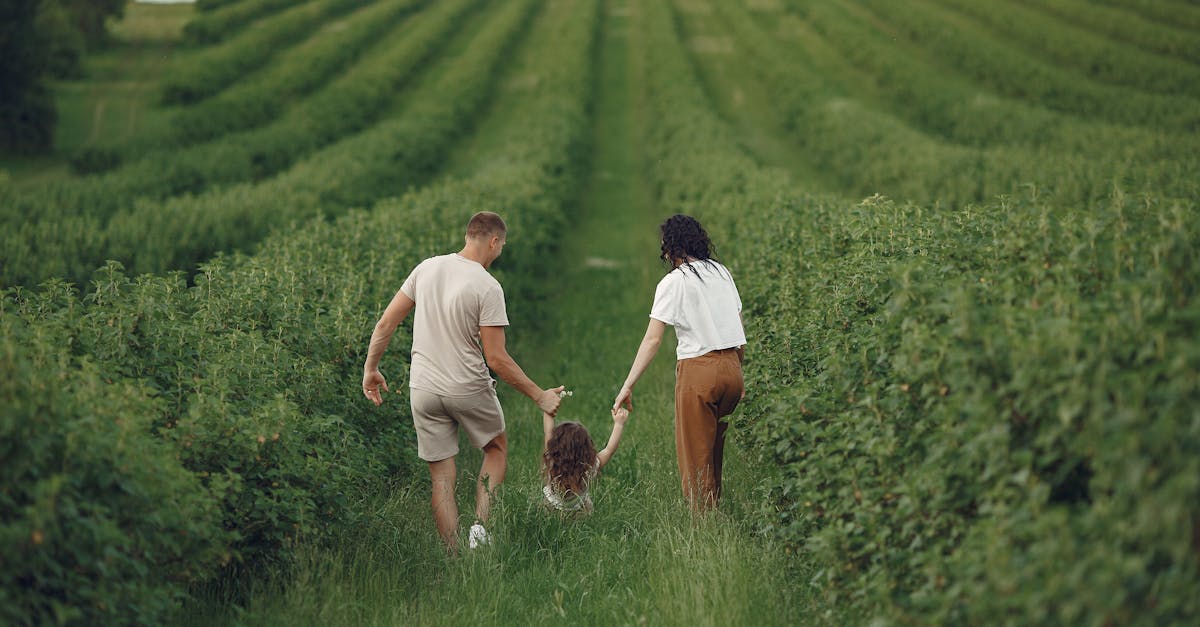 This photo was taken by Gustavo Fring on Pexels.
Color and Curves: The Magic of Park Güell
Stepping into Park Güell feels like entering a living painting where Antoni Gaudí's imagination bursts forth in a riot of vibrant hues and organic shapes. The iconic serpentine bench, known as the "Dragon's Back," invites visitors to sit upon its undulating surface, which is draped in trencadís mosaics crafted from broken ceramic tiles that shimmer in shades of azure, emerald, and terracotta under the Mediterranean sun. This architectural marvel defies rigid geometry, instead embracing the fluid lines found in nature, creating a whimsical atmosphere where stone seems to melt into flowing water and the air itself appears colored by the artist's boundless creativity.
Beyond the famous mosaic terrace, the park reveals a secret garden of curves that harmonize perfectly with the surrounding Collserola hills, offering panoramic views of Barcelona that are nothing short of magical. As you wander through the forested pathways lined with colonnades that twist like tree trunks, you discover how Gaudí seamlessly integrated the built environment with the natural landscape, ensuring that every structure appears to grow organically from the earth rather than being imposed upon it. Whether you are exploring the honeycomb ceiling of the Hypostyle Hall or gazing at the gingerbread-like gatehouses, the interplay of light, color, and curvature creates an unforgettable sensory experience that truly captures the soul of Catalan modernism.
 This photo was taken by Bl∡ke on Pexels.
Beyond Barcelona: Modernism's Hidden Gems
While Barcelona's Sagrada Família and Park Güell draw the crowds, Spain's Modernist movement extends far beyond the city limits, offering a treasure trove of architectural secrets waiting to be discovered. In Valencia, the Turia Gardens hide the stunning City of Arts and Sciences, where Santiago Calatrava's futuristic designs echo Gaudí's organic forms on a monumental scale. Just a short train ride away in Alicante, the Casa de la Cultura showcases a unique blend of Art Nouveau and local craftsmanship, featuring intricate ironwork and stained glass that tell stories of the region's maritime history. These lesser-known gems provide a quieter, more intimate experience for travelers seeking to understand how this artistic revolution reshaped entire towns across the country.
Journeying further inland to San Sebastián or Bilbao reveals even more profound interpretations of Modernism that often escape the typical tourist itinerary. Here, architects like Ricardo Bastida and Francisco Javier Sáenz de Oiza reimagined the style through the lens of the Basque landscape, creating structures that harmonize with rugged coastlines and rolling hills rather than dominating them. Exploring these hidden locations allows visitors to appreciate the diversity of the movement, from the delicate floral motifs found in small town halls to the bold geometric lines of industrial buildings repurposed as cultural centers. By venturing off the beaten path, you uncover a richer narrative of Spanish creativity that proves the spirit of Modernism is alive and thriving in every corner of the nation.
 This photo was taken by Erik Mclean on Pexels.