Architectural Wonders: Gaudí's Masterpieces and Moorish Palaces
 This photo was taken by Jan van der Wolf on Pexels.
Welcome to the heart of Spain, a land where history is not merely read in books but carved into stone and woven into intricate tilework. From the soaring spires of Barcelona to the serene courtyards of Granada, our journey invites you to explore the mesmerizing dialogue between two distinct architectural eras: the visionary modernism of Antoni Gaudí and the timeless elegance of Moorish palaces. As we delve into the stone symphony of the Sagrada Família, wander through the geometric paradise of The Alhambra, and trace the evolution from Gothic roots to modernist dreams, prepare to witness how faith, nature, and art have shaped the soul of this magnificent country.
Sagrada Família: A Stone Symphony of Faith and Nature
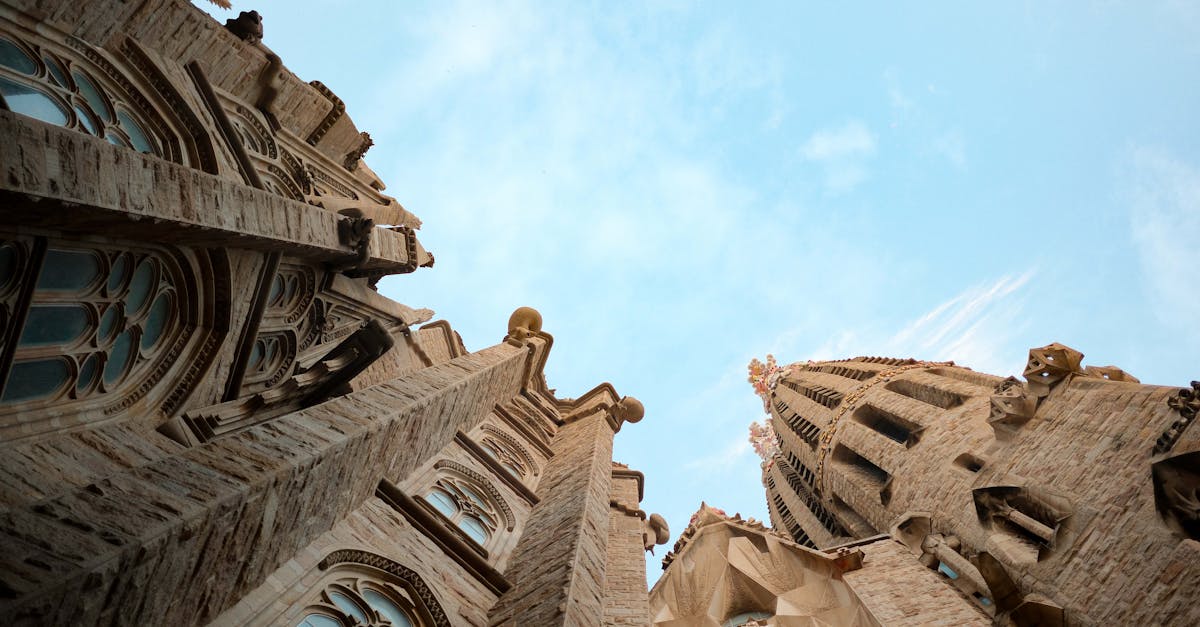
Standing as a towering testament to Antoni Gaudí's visionary genius, the Sagrada Família is far more than a mere church; it is a stone symphony where faith and nature dance in perpetual harmony. Since construction began in 1882, this UNESCO World Heritage site has evolved into a breathtaking fusion of Gothic lines and Art Nouveau curves, designed to mimic the organic complexity of a forest. The façade tells the story of salvation through intricate carvings, while the interior immerses visitors in a play of light that filters through stained glass windows like sunlight piercing a canopy of leaves, shifting from vibrant greens and blues to warm oranges and reds as the day progresses.
Even after over a century of work, with its completion anticipated in the near future, the Basilica remains an active masterpiece where every pillar seems to grow from the earth rather than being built upon it. Gaudí's unique approach ensures that no two columns are alike, each branching out to support the vaulted ceiling as if they were giant tree trunks holding up the sky. For the modern traveler, stepping inside offers a transcendent experience that defies traditional architecture, inviting you to look upward and witness how stone can capture the divine essence of the natural world, making it the ultimate symbol of Barcelona's enduring spirit and artistic soul.
 This photo was taken by Diana Nguyen on Pexels.
The Alhambra: Where Moorish Geometry Meets Andalusian Gardens
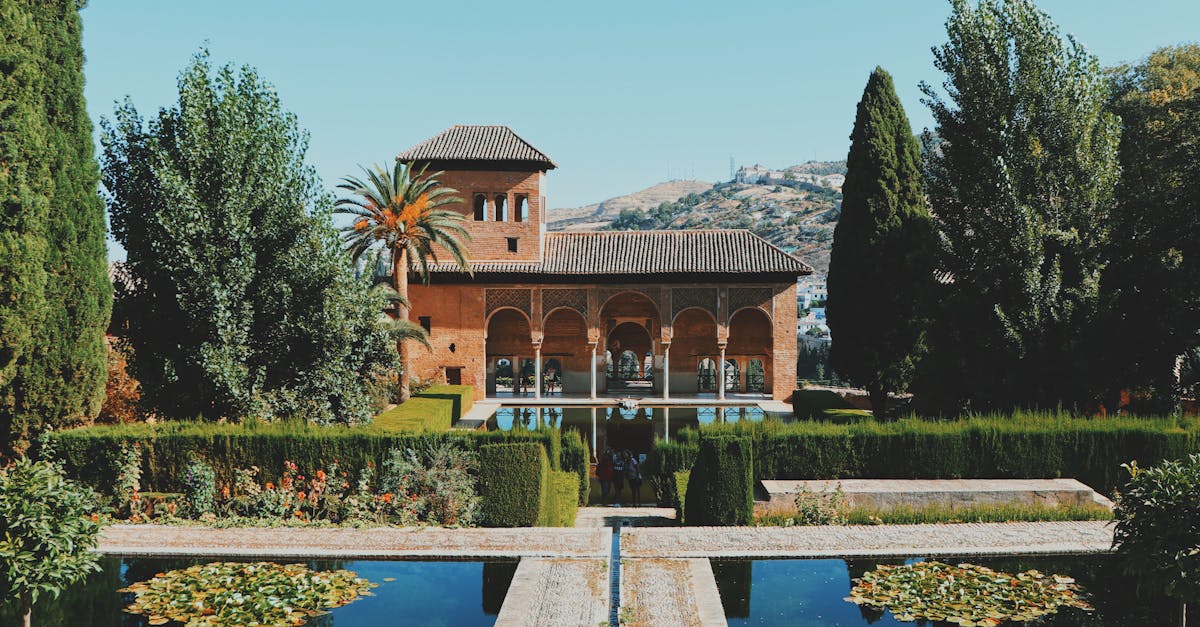
Nestled on the hill of Sabika in Granada, the Alhambra stands as a breathtaking testament to over eight centuries of Islamic rule in Spain, where intricate Moorish geometry dances with the soft light of Andalusia. Every surface within its walls tells a story of mathematical precision and artistic devotion; from the mesmerizing muqarnas stalactite vaulting that seems to dissolve stone into liquid crystal, to the endless repetition of arabesques that cover the stucco walls of the Palace of Charles V's neighbor. As you wander through the Court of the Lions, the rhythmic patter of water echoing against marble columns creates a symphony of tranquility, inviting visitors to lose themselves in a world where architecture is not merely built but woven from light, shadow, and the profound silence of history.
Beyond the opulent interiors lies the Generalife, an expansive garden complex that perfectly embodies the Islamic paradise described in ancient texts, serving as a serene retreat for the Nasrid sultans. Here, the rigid lines of geometric flowerbeds contrast beautifully with the organic curves of cypress trees and blooming jasmine, all cradled by cascading fountains that cool the air in the sweltering summer heat. Walking along the terraces, one can gaze across the vast expanse of the city below while surrounded by lush vegetation, experiencing the unique harmony between nature and human design that defines this UNESCO World Heritage site. It is a place where the strict order of Moorish patterns meets the wild beauty of the Mediterranean landscape, offering a sensory journey that remains unforgettable long after you leave the gates.
 This photo was taken by Wei Huang on Pexels.
From Gothic Roots to Modernist Dreams: The Evolution of Catalan Architecture
Journeying through Catalonia is akin to walking through a living history book, where the stone streets whisper tales of ancient Gothic cathedrals that once dominated the skyline with their soaring spires and intricate ribbed vaults. In Barcelona's historic Born district, you can still trace the footsteps of medieval merchants beneath the shadow of the Santa Maria del Mar basilica, a masterpiece of Catalan Gothic style that embodies the region's deep spiritual roots and communal strength. These solemn structures, built with precision and faith centuries ago, laid the essential foundation for a unique architectural identity that would eventually break free from tradition to embrace the boundless creativity of the future.
As the sun sets over the city, the narrative shifts dramatically from these medieval shadows to the vibrant, organic forms of Modernism, a movement that turned architecture into an art form celebrating nature and light. It was here that Antoni Gaudí and his contemporaries reimagined every curve and color, transforming the rigid geometry of the past into the fluid, dreamlike lines of the Sagrada Família and the whimsical mosaics of Park Güell. This evolution from the solemnity of Gothic devotion to the exuberant optimism of Modernist dreams defines the soul of Catalonia, offering visitors a rare glimpse into how a culture can honor its heritage while fearlessly inventing a new visual language that continues to captivate the world today.
 This photo was taken by Erik Mclean on Pexels.