Architectural Marvels: Gaudí's Masterpieces in Barcelona
 This photo was taken by Jan van der Wolf on Pexels.
Bienvenidos a Barcelona, a city where the sky seems to whisper secrets to the earth and architecture dances with an impossible rhythm. As your guide through this vibrant corner of Spain, I invite you to step into the surreal world of Antoni Gaudí, the visionary genius who transformed stone, light, and imagination into living monuments. In this journey, we will explore the whimsical facade of Casa Batlló, marvel at the spiritual grandeur of La Sagrada Família, and wander through the mosaic-covered landscapes of Park Güell. Prepare to have your senses awakened as we uncover how nature's geometry became the blueprint for some of the most extraordinary structures on our planet.
The Organic Fantasy of Casa Batlló
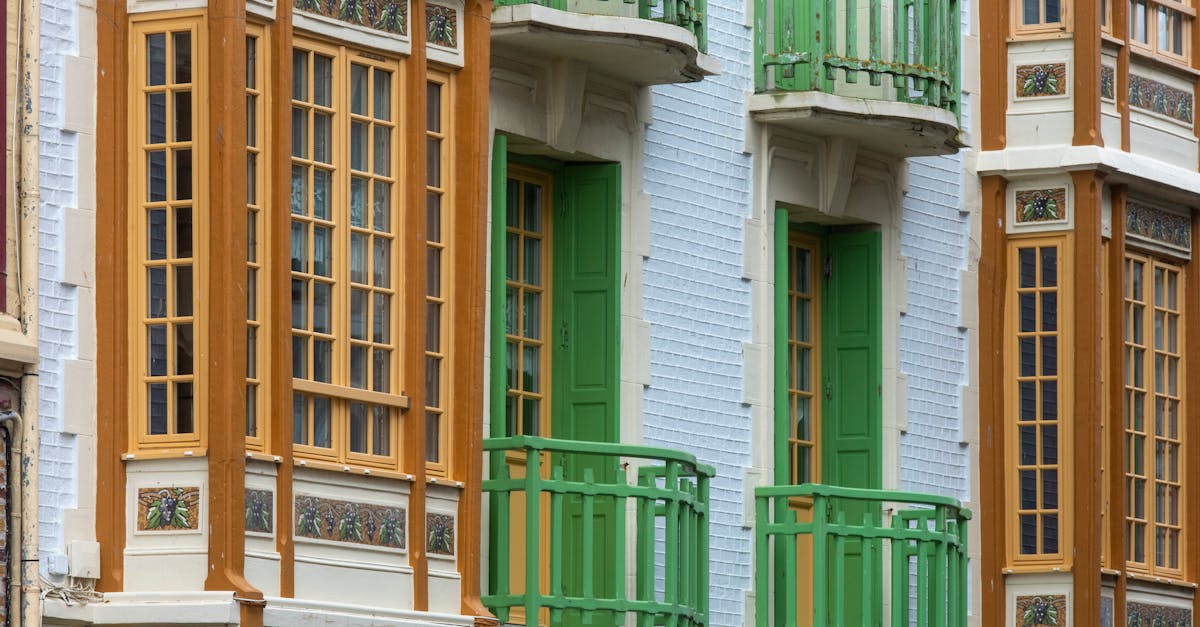
Stepping into Casa Batlló feels less like entering a building and more like diving into a vibrant, living dream where the boundaries between architecture and nature dissolve. Designed by Antoni Gaudí, this masterpiece transforms the very concept of a home into an organic fantasy, with every curve and surface inspired by the natural world. The façade, resembling a dragon's scaled back or a coral reef, glows with colorful ceramic tiles that shift in hue under the Barcelona sun, while the interior spaces flow with fluid lines that mimic the movement of water and wind. As you wander through the halls, you are surrounded by light wells shaped like seashells and windows framed in bone-like wood, creating an atmosphere that is both ethereal and deeply grounded in the earth.
The true magic of Casa Batlló lies in its ability to turn everyday functionality into poetic expression, inviting visitors to imagine a world where buildings breathe and grow. The central atrium acts as the heart of this aquatic narrative, bathing the home in soft, diffused light that filters through a mosaic of blue glass, evoking the depths of the Mediterranean Sea. Even the smallest details, from the skeletal door handles to the undulating ceiling beams, tell a story of evolution and adaptation, reflecting Gaudí's profound belief that there are no straight lines in nature. For any traveler exploring Barcelona, experiencing this organic fantasy is not merely a tour of rooms but a journey into the mind of a visionary who saw the soul within stone and mortar.
 This photo was taken by Maria-Theodora Andrikopoulou on Pexels.
A Stone Symphony: Inside La Sagrada Família
Stepping inside La Sagrada Família is akin to entering a living forest where stone and light dance in an eternal symphony. Antoni Gaudí's vision transcends mere architecture; it creates a sacred space where the massive, twisting columns mimic ancient tree trunks, supporting a vaulted ceiling that filters sunlight into a kaleidoscope of colors. As the sun traverses the sky, the stained glass windows cast shifting hues across the interior—cool blues and greens from the nativity side giving way to warm oranges and reds on the passion facade—transforming the stone structure into a dynamic canvas that changes with every passing hour.
The intricate details within this basilica reveal Gaudí's deep connection to nature and his revolutionary approach to structural engineering, all while remaining unfinished nearly a century after his death. Every surface tells a story, from the hyper-realistic sculptures depicting biblical scenes to the organic forms that seem to grow rather than be built. Visitors often find themselves in a state of awe, not just by the sheer scale of the construction but by the profound spiritual atmosphere that permeates the air, making La Sagrada Família not only an architectural marvel but a deeply moving testament to faith, art, and the enduring power of human creativity in Barcelona.
 This photo was taken by Rev. Lisa j Winston on Pexels.
Nature's Geometry at Park Güell
Stepping into Park Güell is akin to walking through a living sculpture where nature and architecture dissolve into one another, revealing Gaudí's obsession with organic forms. The park's most iconic feature, the serpentine bench known as the "Dragon's Back," curves along the hillside in a fluid, undulating line that mimics the natural contours of the earth rather than imposing rigid straight edges. This masterpiece of trencadís mosaic work, crafted from broken ceramic tiles, shimmers in the Mediterranean sun, creating a kaleidoscope of colors that change with the light throughout the day. It is here that you can truly appreciate how Gaudí rejected the square and the circle in favor of hyperbolic paraboloids and catenary arches, structures that are not only visually stunning but also structurally sound, echoing the mathematical precision found in pinecones, seashells, and spider webs.
The geometry of Park Güell extends beyond its famous bench to the forested paths and stone columns that support the monumental entrance gate, which stand like ancient giants guarding a mythical realm. These columns, arranged in a deliberate yet seemingly random pattern, create a hypostyle hall that feels less like a man-made structure and more like a grove of petrified trees, designed to distribute weight efficiently while allowing dappled sunlight to filter through. As you wander up the winding pathways, the landscape itself becomes part of the design, with staircases that twist like ribbons and fountains that mimic the flow of water over rocks. For the tourist seeking a deeper understanding of Barcelona, this space offers a unique perspective on how Gaudí viewed nature not as something to be conquered, but as the ultimate blueprint for architectural innovation.
 This photo was taken by Declan Conor on Pexels.