A Foodie's Ultimate Guide to Spanish Tapas by Region
 This photo was taken by Flora Cruells Benzal on Pexels.
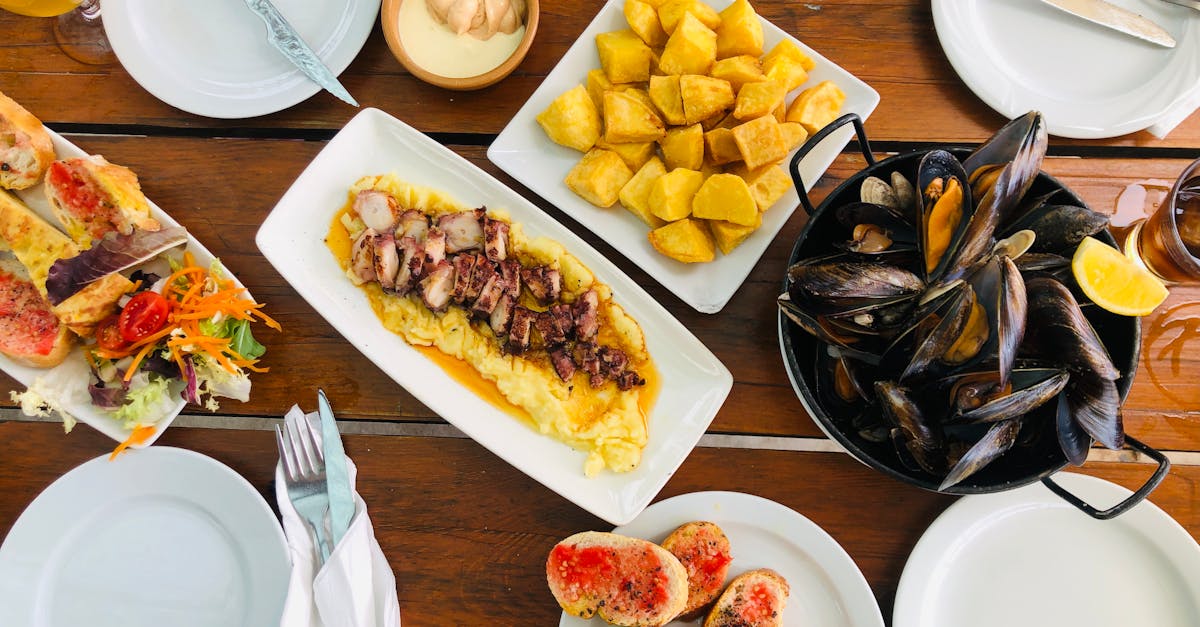
Welcome to the heart of Spanish culinary culture, where every bite tells a story and every region offers its own unique flavor profile. As your local guide, I invite you on a delicious journey through the diverse tapestry of Spain's tapas scene. From the sun-drenched streets of Andalusia, where the tradition began, to the bustling pintxo bars of the Basque Country that have elevated small plates to high art, we will explore it all. We'll also sail along the coastlines of Galicia and Catalonia to discover fresh seafood treasures and rustic charcuterie that define their distinct identities. Get ready to savor the authentic tastes of Spain, one plate at a time.
Andalusia: The Birthplace of the Tapas Experience
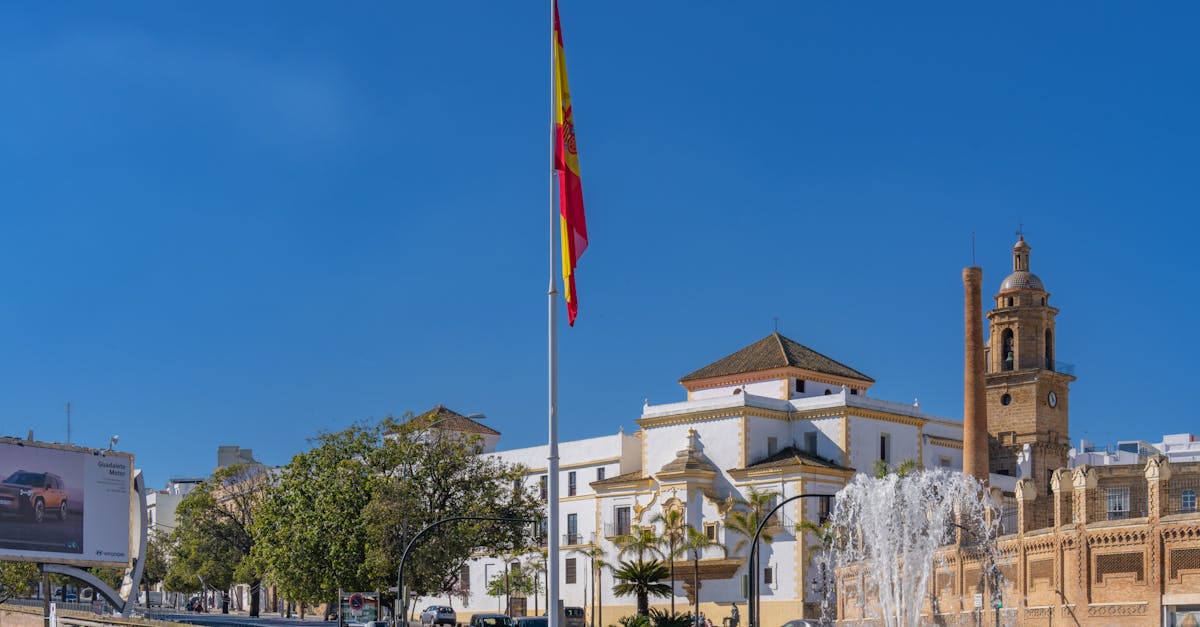
Andalusia is the undisputed heartland where the tapas culture was born, transforming a simple act of eating into a vibrant social ritual that defines the region's soul. From the sun-drenched streets of Seville to the historic alleys of Granada and Cádiz, the tradition invites you to hop from bar to bar, savoring small plates like jamón ibérico, gambas al ajillo, and fresh tortilla española alongside a cold glass of local wine or a crisp sherry. Unlike other regions where food might be served in larger portions, here the focus is entirely on variety and conversation, encouraging travelers to explore a multitude of flavors in a single evening while soaking in the lively atmosphere of bustling plazas and traditional taverns.
To truly experience the magic of Andalusian gastronomy, one must embrace the regional variations that make each city unique; in Granada, for instance, ordering a free tapa with every drink remains a cherished custom, offering everything from creamy croquetas to spicy chorizo, while in Málaga, the emphasis shifts toward anchovies and salted cod prepared with Mediterranean flair. Whether you are standing at a crowded counter in a hidden bodega in Jerez or enjoying a sunset view over the Guadalquivir River, the Andalusian approach to dining is an immersive journey through history and flavor, proving that the best way to understand this passionate land is by sharing its tables and stories one small plate at a time.
 This photo was taken by Emilio Sánchez Hernández on Pexels.
Basque Country: Elevating Pintxos to an Art Form
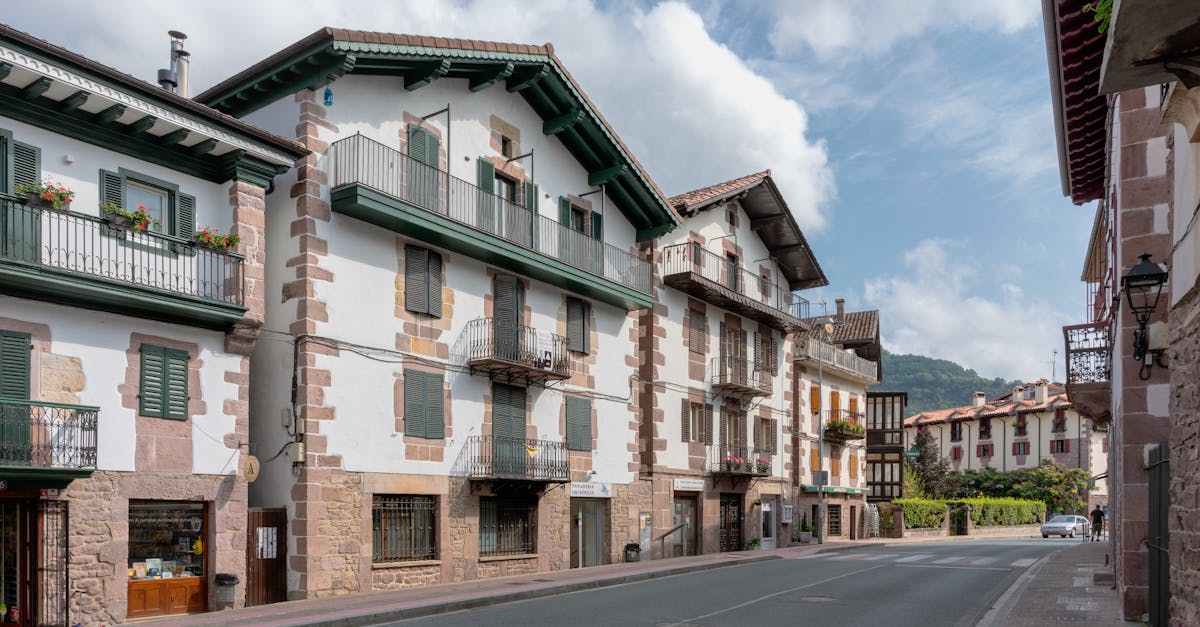
In the Basque Country, specifically within the bustling streets of San Sebastián, tapas evolve into their more refined cousin, pintxos, transforming a simple snack into a culinary art form. Unlike the traditional tapas found elsewhere in Spain, which are often served on small plates, pintxos are elaborate creations skewered with toothpicks and piled high on slices of bread or crackers. Each bar competes to offer the most visually stunning and inventive bites, featuring ingredients like premium Iberian ham, fresh Atlantic seafood, truffle-infused sauces, and locally sourced cheeses. The act of enjoying them is a ritual; patrons move from bar to bar, sampling one or two distinct flavors per stop while sipping a crisp txakoli wine, creating a dynamic social experience that celebrates regional terroir.
This gastronomic culture has earned the region global acclaim, culminating in San Sebastián holding the title of the city with the highest concentration of Michelin stars per capita. The dedication to perfection extends beyond the food itself to the presentation, where chefs treat every bite as a miniature sculpture, balancing textures and flavors with precision. Whether you are exploring the historic Old Town (Parte Vieja) or the modern artistic districts, the pintxo bars offer an immersive journey through Basque identity, where tradition meets innovation. For any food enthusiast, dedicating time to wander these narrow alleyways and taste the daily specials is not merely about eating; it is about witnessing a living museum of flavor that defines the soul of this vibrant northern Spanish region.
 This photo was taken by Santiago Boada on Pexels.
Galicia & Catalonia: Coastal Delights and Rustic Charcuterie
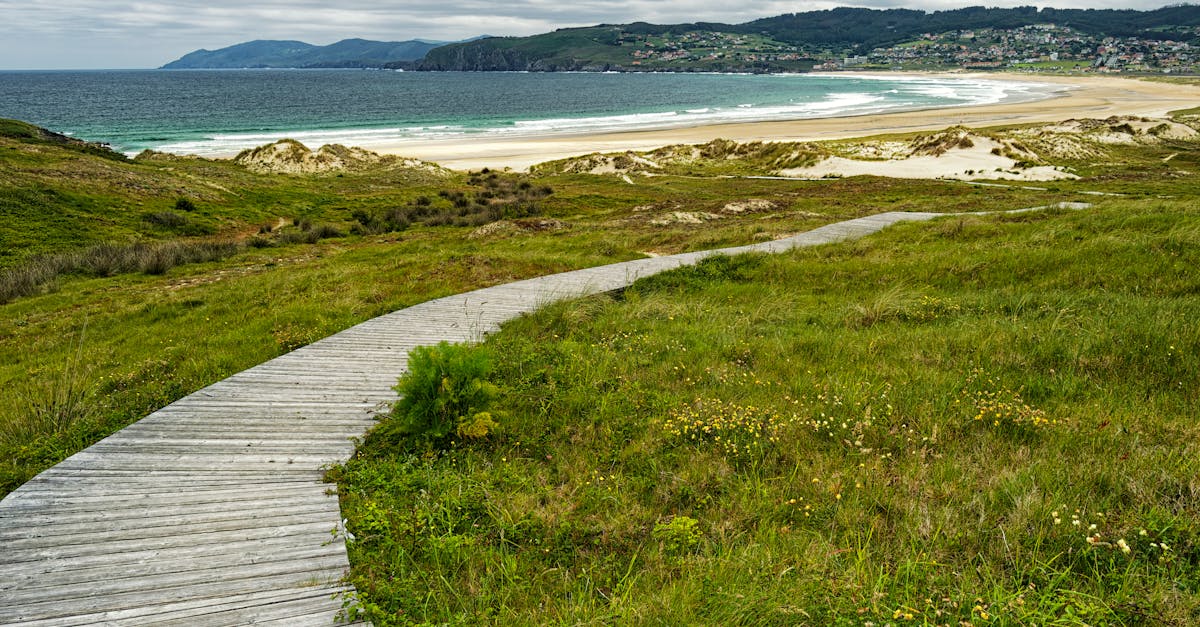
On the rugged northern coast of Galicia, the sea is not just a backdrop but the primary ingredient in a culinary tradition that celebrates the freshest catch of the day. Here, tapas often arrive as simple yet profound plates of pulpo á feira (octopus with paprika and potatoes) or marinated anchovies from the Cantabrian Sea, best enjoyed alongside a glass of crisp Albariño wine. Just across the border in Catalonia, the Mediterranean influence brings a different kind of coastal delight, where pa amb tomàquet (bread rubbed with tomato and olive oil) serves as the perfect canvas for local delicacies like botifarra sausage or grilled sardines. The Catalan coastline offers a vibrant mix of seafood stews and salt-cured fish, creating a dining experience that feels both intimate and deeply connected to the azure waters lapping against its shores.
Beyond the seaside feasts, both regions boast an incredible rustic heritage when it comes to charcuterie, offering a savory journey through their inland traditions. In Galicia, you will find the bold, smoky flavors of lacón (cured pork shoulder) and chorizo de Tineo, which are staples on any robust tapa board accompanied by hearty breads and local cheeses. Meanwhile, Catalonia's interior produces some of Spain's most renowned cured meats, including the earthy fuet and the rich, garlicky sobrassada spread that defines many breakfast and snack tables. Whether you are sampling these artisanal sausages in a bustling Barcelona market or a quiet village tavern in the Galician mountains, the depth of flavor reflects centuries of preservation techniques designed to honor the land and its livestock.
 This photo was taken by Carsten Ruthemann on Pexels.