A Foodie's Paradise: Where to Find the Best Paella in Valencia
 This photo was taken by Erik Mclean on Pexels.
Welcome to the birthplace of paella, where the golden rice fields meet the Mediterranean coast in a symphony of flavors that has captivated food lovers for centuries. As your local guide through Valencia's culinary landscape, I am thrilled to take you on a journey beyond the tourist traps to discover the true soul of this iconic dish. In this post, we will unravel the secret to authentic Valencian paella, revealing the traditional ingredients and techniques that define the region's heritage. Whether you are craving fresh catches from the Albufera or looking for the bustling spots where locals gather, we have curated a list of the top 5 hidden gems for seafood lovers alongside an exclusive look at beyond the restaurant: where locals actually eat. Get ready to savor every bite in what is truly a foodie's paradise.
The Secret to Authentic Valencian Paella
The true secret to authentic Valencian paella lies not in the seafood or saffron, but in its humble origins as a farmer's dish rooted in the Albufera natural park. Traditionalists insist that a genuine recipe must feature only rabbit, chicken, and sometimes green beans known as "ferraura," seasoned with fresh rosemary and cooked over an open wood fire. The key to unlocking its legendary flavor is the socarrat, that coveted layer of crispy, caramelized rice at the bottom of the pan which forms when the heat is carefully managed just before serving; this textural contrast is what separates a tourist trap meal from a culinary masterpiece.
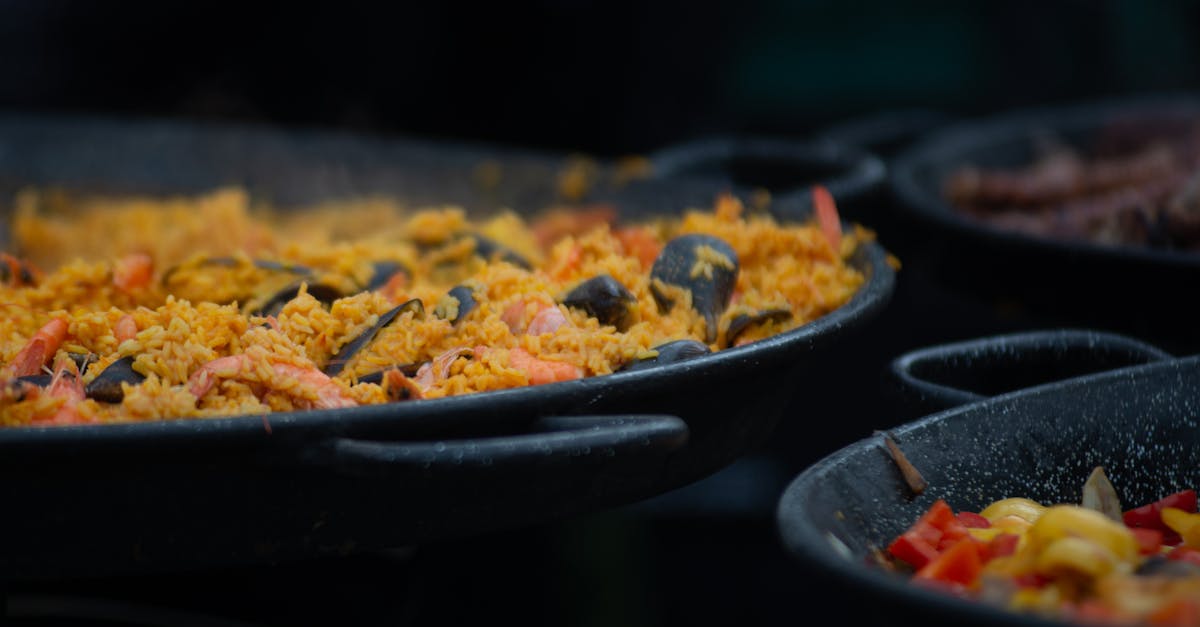
Furthermore, the soul of the dish resides in the specific variety of rice used, typically Bomba or Senia, which absorbs up to three times its volume in broth without losing its structure. Many locals believe that adding lemon juice to the rice while cooking ruins the delicate balance of flavors, reserving it instead for a final squeeze by the diner if they desire a hint of acidity. To experience this tradition fully, one should seek out a "paellera" (open-air grill) where you can watch the rice simmer and listen to the sizzling sounds, ensuring you are enjoying a plate prepared exactly as it has been for centuries in the heart of Valencia.
 This photo was taken by Александр Лич on Pexels.
Top 5 Hidden Gems for Seafood Lovers
While Valencia is famous for its bustling markets and traditional paella houses, the true magic for seafood enthusiasts often lies just beyond the city limits in secluded coves where the catch of the day is served with zero pretense. Imagine dining on a rustic terrace in the tiny fishing village of El Saler, where the "arroz de mariscos" is cooked over open wood fires using only the freshest prawns and clams harvested that very morning. Further north, the hidden gem of Peñíscola offers intimate taverns tucked away from the main promenade, serving grilled sardines and squid ink rice that taste distinctly different from the tourist-heavy spots, providing an authentic connection to the Mediterranean's culinary soul.
For those willing to venture slightly off the beaten path, the coastal towns near Gandía and Cullera reveal secret oyster beds and family-run eateries that have been perfecting their ceviche and fish stews for generations without ever appearing on major travel lists. These local havens prioritize sustainability and seasonality, meaning your meal might feature unique species like black scorpionfish or sea urchins prepared simply with olive oil and garlic to let the ocean's flavor shine. By skipping the crowded central plazas and seeking out these quiet corners, you not only discover unparalleled flavors but also support the local fishing communities who keep Spain's maritime traditions alive.
 This photo was taken by Irsyad Rifqi on Pexels.
Beyond the Restaurant: Where Locals Actually Eat
While the bustling tourist strips of La Malvarrosa are lined with restaurants that cater to visitors, the true soul of Valencian dining lies in the quiet neighborhood "chiringuitos" and family-run taverns tucked away from the main avenues. Locals often skip the fancy presentations for a more authentic experience at places like Bar El Poble Sec or the humble eateries in the Ruzafa district, where you'll find paella served on simple plates alongside generous portions of fresh vegetables and grilled meats. These spots prioritize tradition over tourism, offering a menu that changes daily based on market availability and a relaxed atmosphere where the clinking of glasses and lively conversation create the perfect backdrop for enjoying this iconic dish.
Embracing the local rhythm means stepping away from the clock-watching rush and diving into the vibrant culture of the "horchaterías" and traditional bars that serve as the community's living room. In Valencia, eating is not just about the meal but the social ritual surrounding it; therefore, many residents gather at these unassuming venues after work or during Sunday lunches to share large paellas meant for groups rather than individuals. By venturing into these lesser-known corners, you bypass the inflated prices and standardized menus found in guidebooks, instead discovering the rich, smoky flavors of saffron-infused rice cooked over open fires by chefs who have perfected their craft through generations of family history.
 This photo was taken by Nomad Photographer on Pexels.