A Culinary Journey Through Spain's Tapas Culture
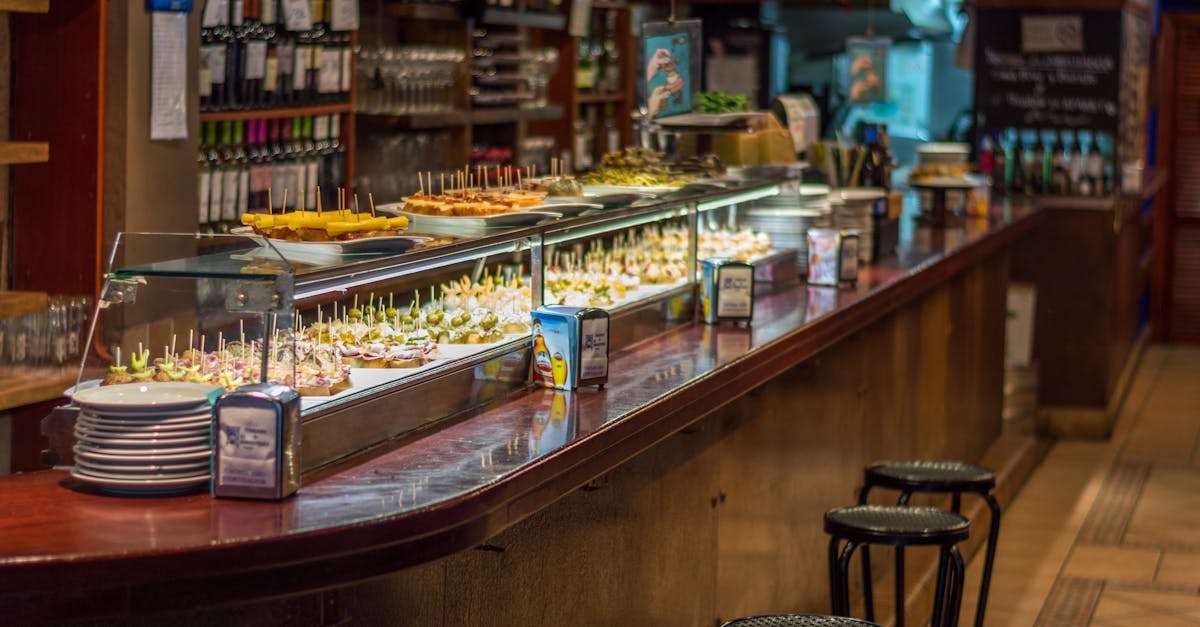 This photo was taken by Hert Niks on Pexels.
Welcome to the heart of Spanish life, where a meal is never just about sustenance, but a vibrant celebration of community and flavor. As your guide through this incredible country, I invite you to embark on "A Culinary Journey Through Spain's Tapas Culture." More than mere appetizers, tapas represent a unique social ritual that varies from the bustling bars of Barcelona to the sun-drenched plazas of Seville. In this post, we will uncover the art behind these small plates, explore the distinct regional specialties that define every corner of the peninsula, and share the essential etiquette, timing, and spirit of socializing that make dining in Spain an unforgettable experience. Get ready to taste, laugh, and connect with the true soul of Spain.
The Art of the Small Plate: Understanding Tapas Traditions
At the heart of Spanish social life lies the vibrant tradition of tapas, a culinary practice that transforms dining into an interactive journey rather than a solitary meal. Far more than just small snacks, tapas represent a philosophy of sharing and conversation, where the act of hopping from one bar to another—known as ir de tapas—allows visitors to sample a diverse array of flavors in a single evening. Whether it is a simple slice of jamón ibérico draped over crusty bread, a sizzling plate of gambas al ajillo (garlic shrimp), or a delicate tortilla española, each dish invites you to slow down, engage with locals, and appreciate the regional ingredients that define Spain's rich gastronomic heritage.
Understanding these traditions requires embracing the spontaneity and rhythm of Spanish dining, where the size of the portion often dictates the pace of your night. In many regions, ordering a tapa comes free with a drink, serving as a welcoming gesture that encourages patrons to linger at the counter, chat with neighbors, and soak in the lively atmosphere of the establishment. As you navigate the bustling streets of cities like Seville, San Sebastián, or Madrid, remember that there are no strict rules; the true art lies in the exploration itself, inviting you to discover hidden gems and local favorites while experiencing the warmth and hospitality that makes Spain an unforgettable destination for food lovers.
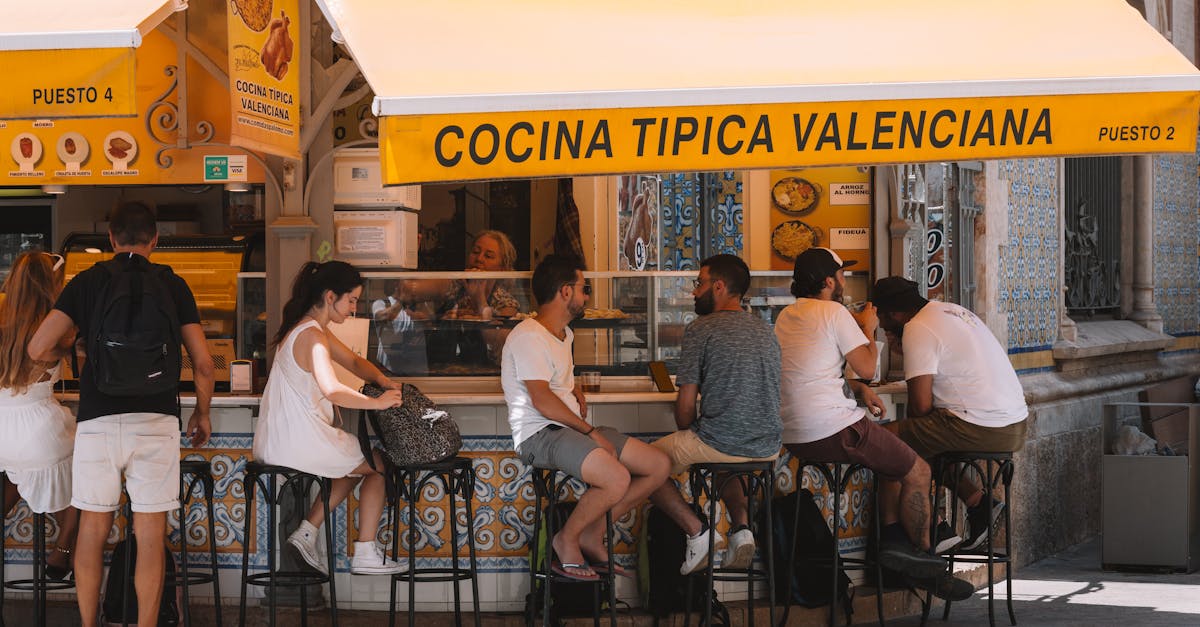
 This photo was taken by Erik Mclean on Pexels.
From Barcelona to Seville: Regional Flavors and Local Specialties
Embarking on a culinary voyage from the vibrant Mediterranean coast of Barcelona to the sun-drenched streets of Seville reveals the incredible diversity of Spain's regional palates. In Catalonia, your journey begins with the rich, savory depths of pa amb tomàquet, where rustic bread is rubbed with ripe tomatoes and garlic, often accompanied by cured meats like fuet or the delicate seafood stews of the coastal towns. As you travel south towards Andalusia, the flavors shift dramatically to embrace the bold, aromatic spices that define the region; here, the iconic pescaíto frito gives way to the cooling, refreshing taste of sopa de ajo and the legendary jamón ibérico hams, which are celebrated for their nutty, complex profiles derived from acorn-fed pigs.
While both cities share a deep-rooted tapas culture, the local specialties tell distinct stories of their geography and history. In Barcelona, you might savor escalivada, a smoky medley of roasted peppers and eggplant served as a sophisticated starter, whereas in Seville, the experience is more communal and spirited, featuring gazpacho or salmorejo as essential summer staples alongside montaditos topped with local cheeses and olives. No matter where you stop along this gastronomic route, the essence remains the same: food is not merely sustenance but a social ritual meant to be shared slowly, allowing travelers to truly taste the soul of each unique Spanish province through its distinctive ingredients and time-honored recipes.
 This photo was taken by Joaquin Carfagna on Pexels.
Beyond the Menu: Etiquette, Timing, and Socializing Over Food
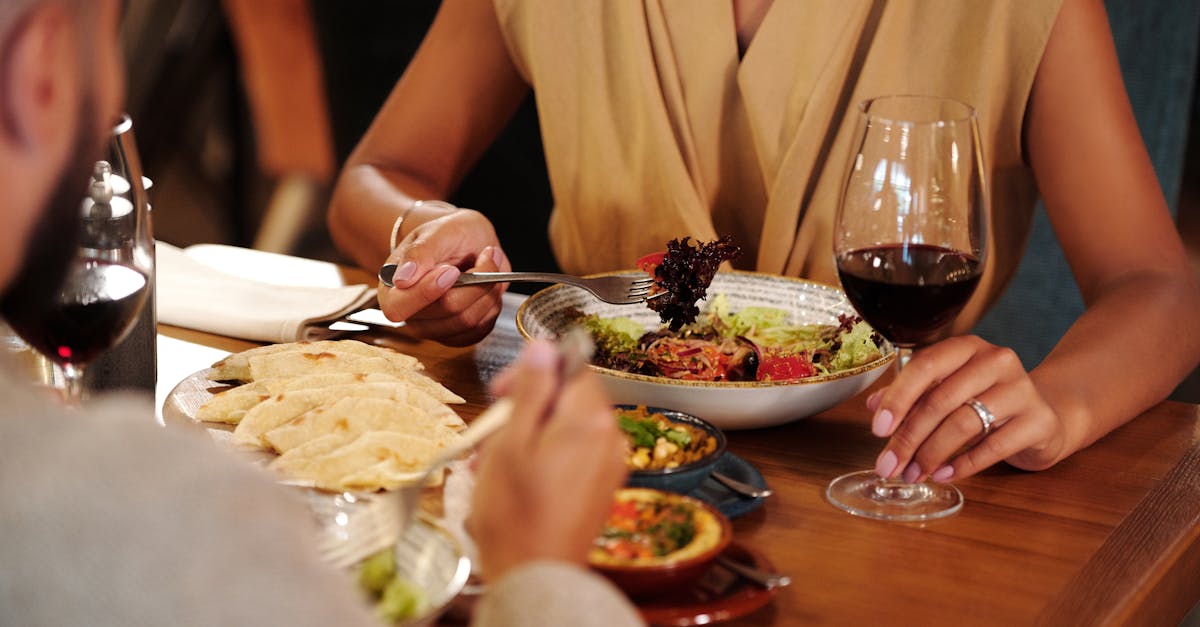 This photo was taken by Jep Gambardella on Pexels.