A Culinary Journey Through Spain's Best Tapas Bars
 This photo was taken by Mihai Vlasceanu on Pexels.
Welcome to the heart of Spanish culture, where every meal is a celebration and every bite tells a story. As your guide through this vibrant nation, I invite you to embark on "A Culinary Journey Through Spain's Best Tapas Bars," an exploration designed to awaken your senses and deepen your appreciation for our gastronomic heritage. From the intricate skewers of the Basque Country to the bustling taverns of Madrid and Seville, we will uncover the secrets behind the region's most iconic flavors. But more than just food, this journey is about the soul of Spanish dining—the laughter shared over cold beer, the clinking of glasses, and the timeless ritual that brings friends and family together. Get ready to savor the art of the pintxo, master the social dance of tapas hopping, and discover why eating in Spain is truly an experience like no other.
The Art of the Pintxo: Basque Country's Rising Stars
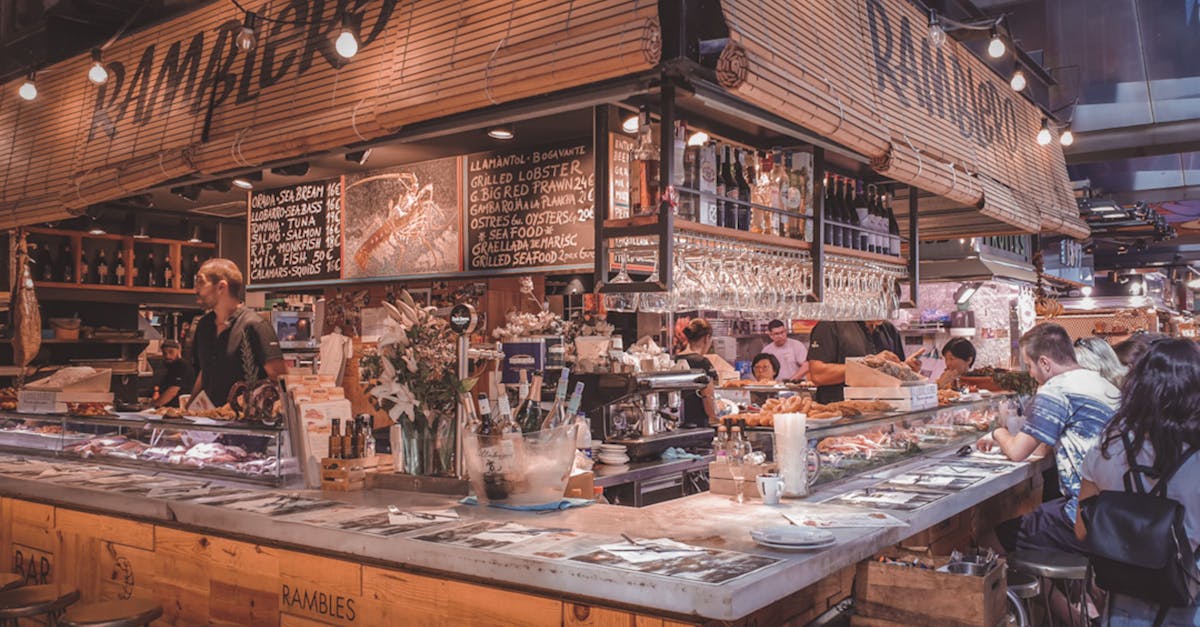
While the rest of Spain is famous for its simple tapas, the Basque Country has elevated small bites to a high art form known as pintxos. Originating in San Sebastián and Bilbao, these gastronomic masterpieces are often more elaborate than their southern counterparts, featuring intricate toppings like grilled anchovies, truffle-infused cream, or slow-cooked pork belly perched atop a slice of crusty bread. The experience is uniquely immersive; instead of waiting for a waiter, patrons wander through bustling bars where the counter is lined with colorful, edible sculptures that invite you to explore every corner of the menu.
The social ritual surrounding pintxos adds another layer of charm to this culinary journey. Traditionally, you pay by the number of toothpicks left on your empty plate after finishing your selection, a system that encourages sampling a wide variety of flavors without committing to a full meal at once. This approach perfectly captures the vibrant spirit of the Basque people, transforming a simple evening out into a dynamic feast where the bar itself becomes the stage, and every bite tells a story of local tradition and modern innovation.
 This photo was taken by Alejandro De Roa on Pexels.
From Madrid to Seville: A Regional Tour of Classic Tapas
Starting your gastronomic adventure in the heart of Madrid, you will discover a vibrant tapas scene where tradition meets modern flair. Wander through the historic streets of La Latina on a Sunday, where the air is thick with the aroma of sizzling chorizo and the clinking of glasses as locals gather for "tapeo." Here, classic spots serve up timeless favorites like gambas al ajillo (garlic prawns) and croquetas de jamón, often accompanied by a crisp Albariño or a robust red from nearby regions. The energy is infectious, with each bar offering its own unique character, inviting you to hop from one counter to another, sampling small plates that tell the story of Spanish hospitality.
Journeying south by train or car, the culinary landscape shifts dramatically as you arrive in Seville, the true birthplace of tapas culture. In this Andalusian city, the experience becomes more intimate and traditional, often centered around the concept of "ir de cañas" – hopping between bars for a small beer and a plate of food. You must try the iconic tortilla española at a bustling tabanco in Triana or savor fresh anchovies marinated in vinegar and olive oil. Unlike the lively hopping of Madrid, Seville's tapas bars often encourage lingering, allowing you to soak in the warm atmosphere while enjoying regional specialties like salmorejo and jamón ibérico de bellota, completing a perfect regional tour of Spain's finest flavors.
 This photo was taken by Antonio Garcia Prats on Pexels.
Beyond the Plate: Mastering the Social Ritual of Spanish Dining
In Spain, dining is far more than a mere transaction of food for sustenance; it is a deeply ingrained social ritual that transforms the act of eating into a celebration of community and connection. When you step into a bustling tapas bar in Seville or Madrid, you will quickly notice that the pace is deliberately slow, inviting you to linger over small plates shared among friends and strangers alike. This practice of "tapear" involves moving from one establishment to another, engaging in lively debates about football, politics, or art while sampling a variety of flavors, turning the evening into a dynamic journey rather than a static meal. The bar counter itself often becomes a communal table where barriers dissolve, fostering spontaneous conversations that are as essential to the experience as the olives or jamón ibérico being served.
To truly master this cultural nuance, visitors must embrace the flexibility of Spanish timekeeping, understanding that dinner often does not begin until 9:00 PM or later, and that rushing through courses is considered impolite. The rhythm of the meal is dictated by conversation and laughter, with each new dish arriving only after the previous one has been thoroughly enjoyed and discussed. Whether you are standing shoulder-to-shoulder at a crowded counter in Barcelona's El Born or sitting at a wooden table in a quiet village tavern in Andalusia, the key is to let go of your schedule and immerse yourself in the warmth of the moment. By respecting these unwritten rules of patience and sharing, you unlock the true soul of Spanish hospitality, leaving you with memories that taste just as good as the finest culinary delights.
 This photo was taken by Erik Mclean on Pexels.