A Culinary Journey: The Best Tapas Bars in Barcelona and Madrid
 This photo was taken by Erik Mclean on Pexels.
Welcome to the heart of Spanish culture, where every meal is a celebration and the tapas are the stars of the show. As your local guide, I invite you on an unforgettable culinary journey through two of Spain's most vibrant cities: Barcelona and Madrid. From the narrow, cobblestone streets of Barcelona's Gothic Quarter, where we will uncover hidden gems serving generations-old recipes, to the bustling taverns of Madrid that have perfected the art of jamón ibérico and patatas bravas, this post promises to be your ultimate companion for authentic flavors. Get ready to sharpen your appetite as we take a side-by-side tasting tour, comparing the distinct yet delicious traditions of both cities to help you decide which plate of perfection awaits you.
Hidden Gems: Authentic Tapas Bars in Barcelona's Gothic Quarter
While the bustling La Boqueria Market draws crowds, the true soul of Barcelona's Gothic Quarter beats within its narrow, medieval alleyways where time seems to stand still. Seek out "Bar del Pla" or the unassuming "Quimet & Quimet," a tiny standing-room-only spot renowned for its creative montaditos and an endless array of pickled delicacies that have delighted locals for generations. Here, the experience transcends mere dining; it is an immersion into history as you squeeze between ancient stone walls, sipping on crisp local wines while the bartender crafts bites of grilled octopus or salt-cured anchovies with a precision that has been perfected over decades.
Stepping away from the main thoroughfares like Carrer de Ferran reveals hidden courtyards and family-run establishments that refuse to compromise on authenticity. In these intimate corners, such as "El Xampanyet" or smaller gems tucked behind heavy wooden doors, the atmosphere is electric with the clinking of glasses and lively Catalan conversation. You will find menus written in chalk that change daily based on market freshness, offering dishes like pan con tomate rubbed with garlic or succulent croquettes that melt in your mouth. These are not tourist traps but cherished community hubs where the culinary tradition is passed down through families, ensuring every bite tells a story of the city's rich gastronomic heritage.
This photo was taken by Erik Mclean on Pexels.
From Patatas Bravas to Jamón Ibérico: Madrid's Tapas Tradition
Madrid's tapas culture is a vibrant, social ritual that transforms dining into an evening of exploration and camaraderie. At the heart of this tradition lies the iconic patatas bravas, crispy fried potatoes drenched in a fiery, smoky sauce that has become a beloved staple across the city's historic neighborhoods. Yet, the true soul of Madrid's culinary scene is revealed when you savor slices of jamón ibérico de bellota, cured for years until it melts on your tongue with a rich, nutty depth. Whether you are hopping between bustling bars in La Latina or enjoying a quiet pintxo in Chueca, the experience is defined by standing at the bar, sharing small plates, and engaging in lively conversation that often lasts well past midnight.
This gastronomic journey extends far beyond simple snacks, offering a deep dive into Spain's agricultural heritage through every bite. From the earthy flavors of Manchego cheese paired with sweet membrillo to the delicate taste of fresh boquerones marinated in vinegar, each tapa tells a story of local craftsmanship. In Madrid, these dishes are not merely food but a celebration of community, where the act of "tapear" encourages travelers to wander from one establishment to another, discovering hidden gems and authentic recipes passed down through generations. It is an immersive experience that invites visitors to slow down, savor the moment, and truly understand why Madrid remains a global capital for those seeking the perfect balance of flavor and tradition.
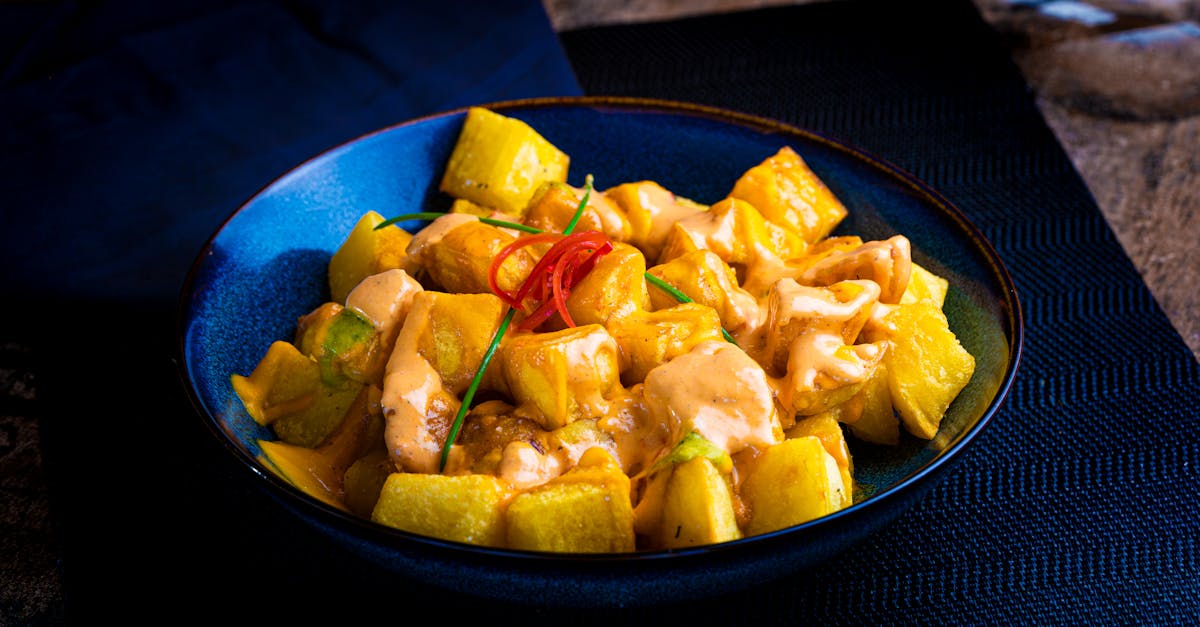 This photo was taken by Nano Erdozain on Pexels.
A Side-by-Side Tasting: Comparing the Best of Both Cities
When you embark on a side-by-side tasting tour of Barcelona and Madrid, the first distinction you will notice is the rhythm of the meal; in Barcelona, tapas are often a vibrant, social affair served alongside cold cuts like jamón ibérico and marinated anchovies that reflect the city's coastal influence, while Madrid offers a heartier, more traditional approach with warm dishes such as croquetas de jamón and gambas al ajillo that hug your soul after a long day. The Catalan capital leans towards innovation and Mediterranean freshness, frequently featuring seafood-centric creations and creative fusion bites in bustling markets like La Boqueria, whereas the Spanish capital remains the guardian of classic recipes, where the atmosphere in historic taverns like Casa Labra or La Brillante invites you to linger over slow-cooked stews and rich meat plates that have defined Spanish dining for centuries.
To truly compare the best of both cities, imagine starting your evening in Barcelona with a glass of crisp Cava and a plate of pan con tomate, savoring the bright acidity that pairs perfectly with the lively energy of the Gothic Quarter, before moving to Madrid to experience the contrast of a velvety sherry and a steaming bowl of cocido madrileño or the delicate texture of tortilla española made with local eggs. This culinary journey reveals not just different flavors, but distinct cultural philosophies: Barcelona invites you to explore the boundaries of taste with modern twists and an international flair, while Madrid challenges you to master the art of simplicity and depth in every bite, proving that whether you are dancing through the streets of El Born or enjoying the quiet elegance of Malasaña, Spain's tapas culture offers a unique gastronomic masterpiece in each location.
 This photo was taken by Chengxin Zhao on Pexels.