10 Must-Try Spanish Dishes You Can't Find Anywhere Else
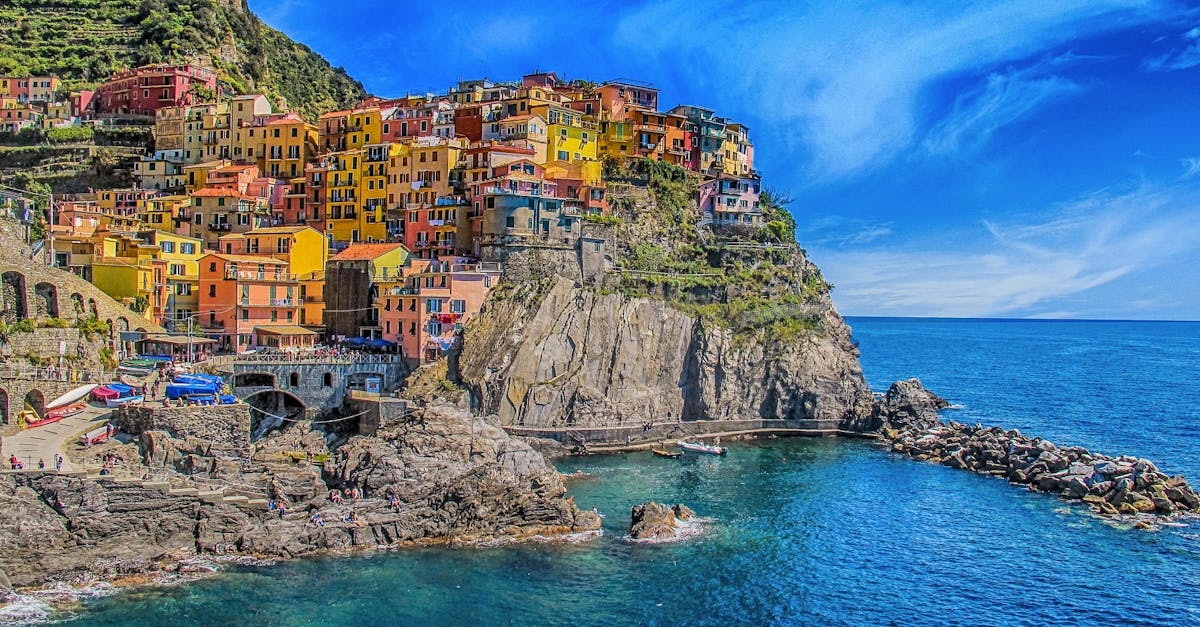 This photo was taken by Pixabay on Pexels.
Welcome to the heart of Spanish gastronomy, where every bite tells a story of centuries-old tradition and vibrant regional pride. As your local guide, I am thrilled to take you on a culinary journey through the Iberian Peninsula's most iconic flavors—dishes so deeply rooted in our culture that they simply cannot be authentically replicated anywhere else in the world. From the sun-drenched coasts where seafood paella meets the rhythm of the waves to the smoky depths of the perfect tortilla, we will explore coastal classics that define our identity. We'll then dive into the lively art of tapas, discovering how small plates deliver big, unforgettable flavors, before finishing with a sweet tour of traditional desserts unique to our lands. Get your appetite ready, because these 10 must-try dishes are waiting just for you.
From Seafood Paella to Smoky Tortilla: The Coastal Classics
When the Mediterranean sun kisses the shores of Valencia or Catalonia, nothing compares to the ritual of gathering around a wide, shallow pan for authentic seafood paella. Unlike the dry versions often found abroad, the coastal classics here are defined by their vibrant saffron-infused rice, which soaks up the rich broth of fresh mussels, prawns, and clams caught that very morning. The socarrat, that coveted layer of crispy, caramelized rice at the bottom, is the true mark of a master chef's skill, offering a textural contrast to the tender, briny seafood that sits atop it. This dish is not merely food; it is a communal celebration of Spain's maritime bounty, best enjoyed al fresco with a crisp glass of Albariño while listening to the gentle lapping of waves against the shore.
While paella commands the spotlight, the humble smoky tortilla de patatas remains the undisputed soul of Spanish coastal cuisine, serving as a comforting staple in every beachside taberna from Galicia to Andalusia. Far from being just an omelet, this iconic dish features thick slices of potato slowly simmered in generous amounts of olive oil until they melt into the egg mixture, creating a creamy interior that contrasts beautifully with its golden-brown, slightly charred exterior. Often served warm or at room temperature, it is frequently enhanced with a hint of smoked paprika (pimentón) that echoes the flavors of the nearby coast, making it the perfect handheld snack for a day spent exploring ancient fishing villages or strolling along the promenade.
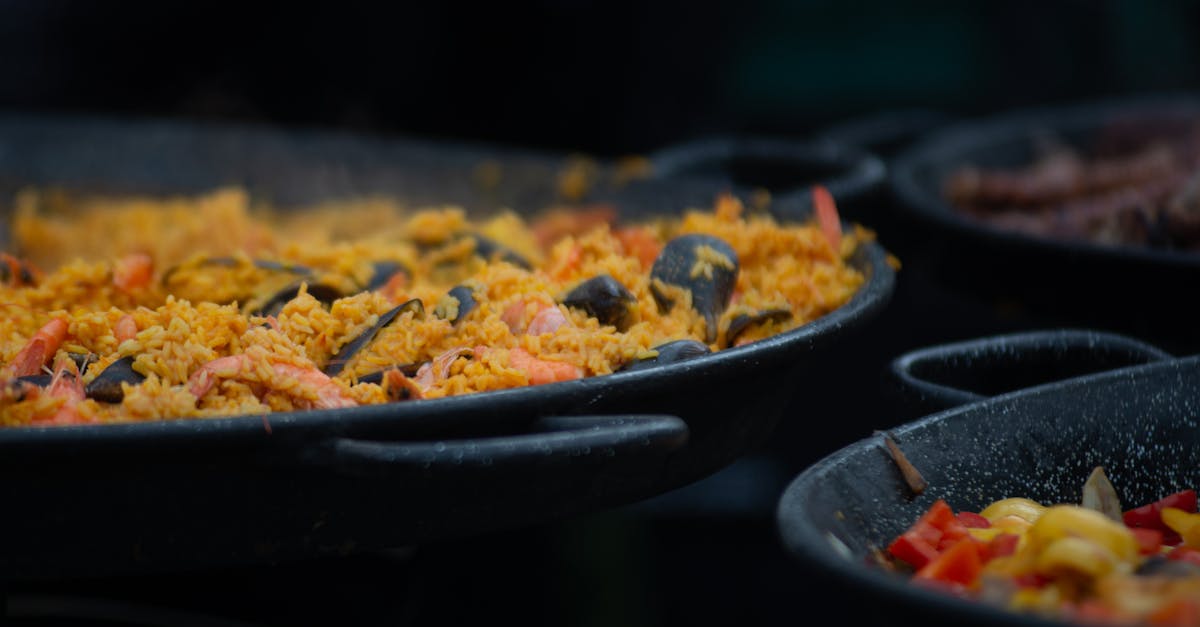 This photo was taken by Александр Лич on Pexels.
The Art of Tapas: Small Plates, Big Flavors
Tapas are far more than just appetizers; they are a cultural phenomenon that defines the Spanish social experience, turning dining into an interactive journey of discovery. Originating from the practice of placing small plates over wine glasses to keep flies away, this culinary tradition has evolved into a sophisticated art form where every bite tells a story of regional identity. From the smoky richness of jamón ibérico in Andalusia to the delicate, briny freshness of gambas al ajillo in Galicia, these small plates offer a perfect balance of textures and flavors that invite you to linger at the bar, sharing stories with locals while sampling a variety of dishes in a single sitting.
What makes tapas truly unique is their ability to pack immense flavor into tiny portions, encouraging diners to explore a wide array of tastes without committing to a full course. Whether it is the creamy, earthy depth of patatas bravas served with a spicy aioli or the vibrant, fresh explosion of pan con tomate, each dish is crafted to highlight the finest local ingredients, often prepared using recipes passed down through generations. Embracing the art of tapas means slowing down and savoring the moment, allowing you to taste the soul of Spain one small plate at a time, creating memories that are as flavorful as the food itself.
 This photo was taken by Caique Araujo on Pexels.
Sweet Endings: Traditional Desserts Unique to Spain
After a savory feast, Spanish dining culture insists on a sweet finale that is as diverse as the regions themselves. You must try churros con chocolate, where thick, fried dough sticks are dipped into a cup of rich, thick hot chocolate, a ritual best enjoyed in Madrid's historic squares at dawn or dusk. Equally iconic is crema catalana, the Catalan counterpart to crème brûlée, distinguished by its caramelized sugar crust and the aromatic notes of lemon zest and cinnamon that set it apart from its French cousins.
For those with a penchant for pastries, Spain offers ensaimadas, fluffy spiral-shaped buns from Mallorca filled with either pumpkin seed paste or sweet cream, often dusted generously with powdered sugar. Another delightful treat is polvorones, crumbly almond cookies from Andalusia that melt instantly on the tongue, traditionally associated with Christmas but available year-round in bakeries across the south. These desserts are not just treats; they are edible pieces of history, crafted using centuries-old recipes that reflect the unique agricultural bounty and cultural heritage of each specific Spanish province.
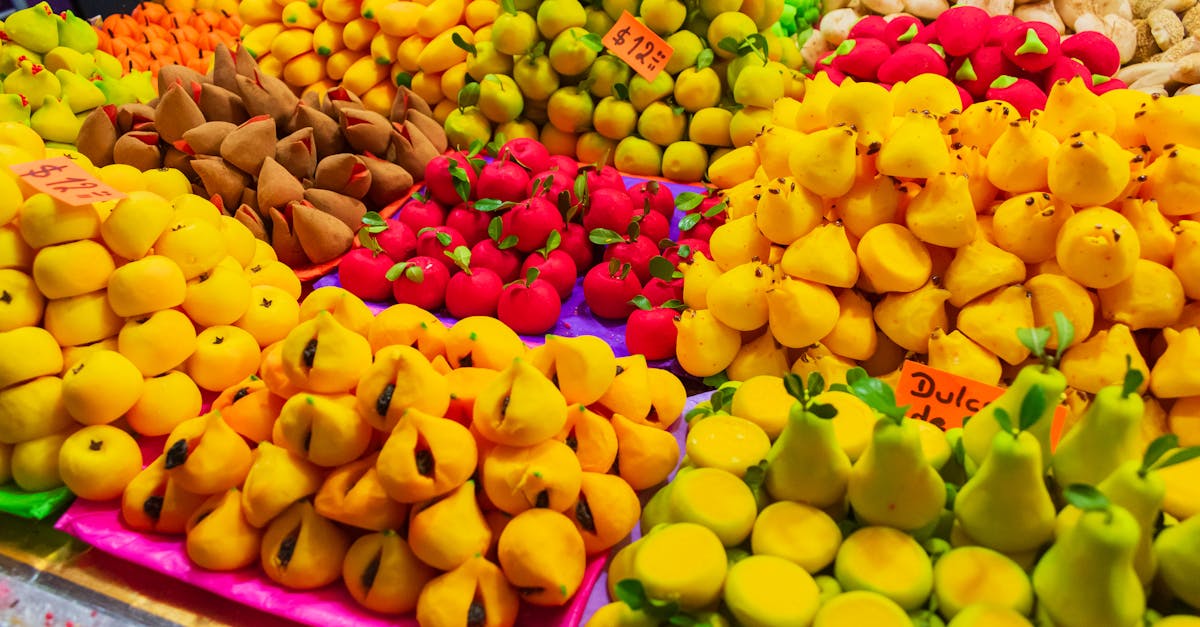 This photo was taken by Erick Ortega on Pexels.